

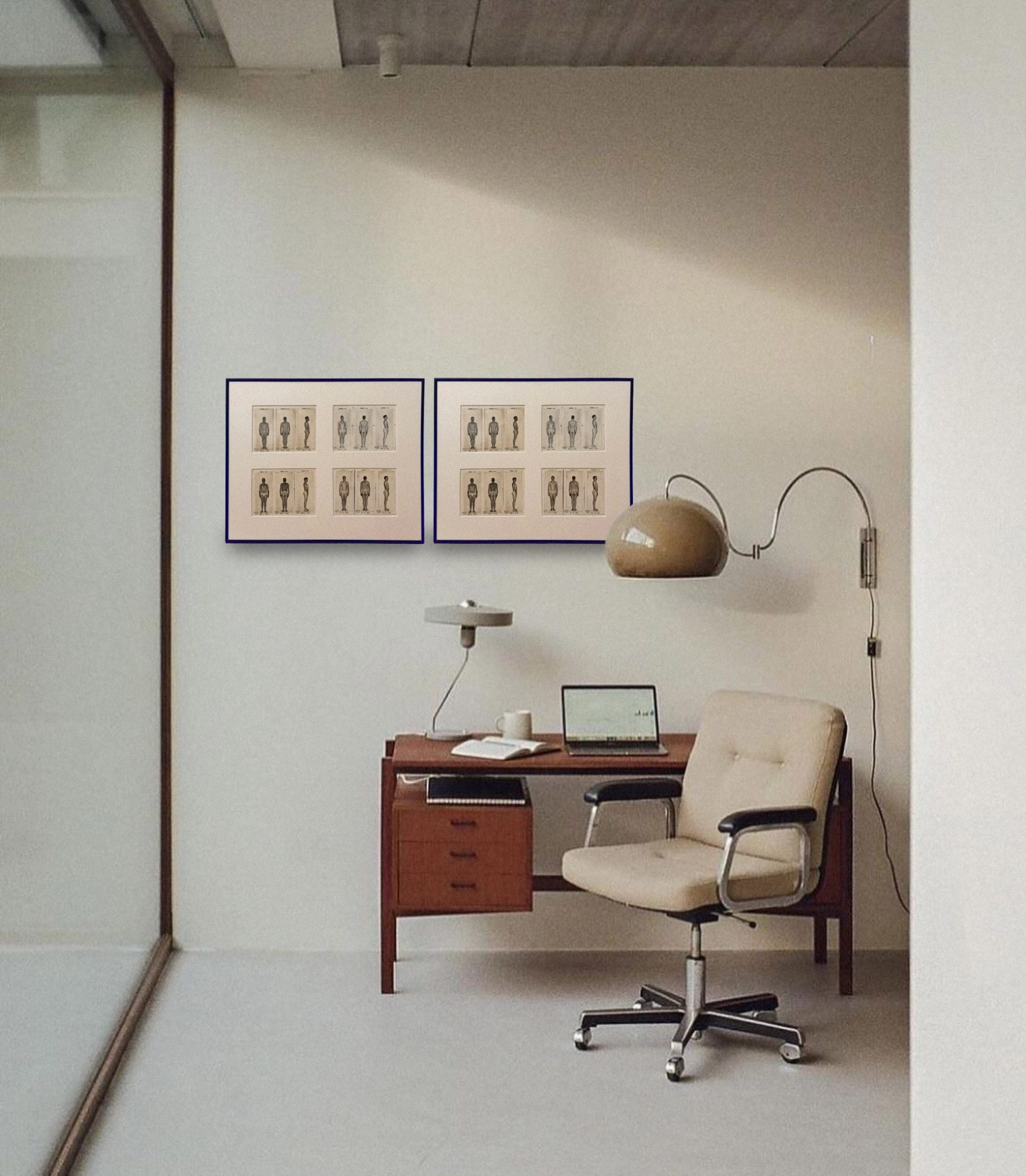
In this article at DUSCAE — Art and Photography, we trace the history of photography and its emergence as an artistic form of expression.
Photography is an artistic medium that has evolved enormously since its invention in the 19th century. Over the years, it has moved from being a purely documentary tool to a widely recognised form of creative expression. This article explores the fascinating history of photography and its transformation into an art form, from its earliest days to the current digital era.
1. The Origins of Photography
The history of photography begins in the 19th century with inventions such as the camera obscura and the first permanent photograph, taken by Joseph Nicéphore Niépce in 1826. From there, pioneers such as Louis Daguerre and William Henry Fox Talbot developed photographic techniques that allowed images to be captured with greater detail and clarity.
2. Photography as a Documentary Tool
During the 19th century and into the early 20th, photography was used primarily for documentary purposes — recording historical events, landscapes, and portraits. Photographers such as Mathew Brady, celebrated for his images of the American Civil War, and Lewis Hine, who documented child labour conditions in the United States, rose to prominence during this period.
3. The Emergence of Photography as Art
As the 20th century progressed, photography began to be recognised as an art form in its own right. Photographers such as Ansel Adams, celebrated for his breathtaking black-and-white landscapes of Yosemite National Park, and Edward Weston, who specialised in still-life photography, helped elevate the status of photography as a fine art.
4. Artistic Movements and Photography
During the 20th century, photography was closely linked to the artistic movements of the era — Surrealism, Dadaism, and Modernism. Photographers such as Man Ray and André Kertész explored new techniques and creative concepts, pushing the boundaries of what could be considered artistic photography.
5. The Digital Era and Contemporary Photography
With the arrival of the digital era in the 1990s, photography underwent a technological revolution that transformed how images are captured, edited, and shared. Digital photography allowed for greater experimentation and creative freedom, giving rise to new genres and styles such as street photography, photojournalism, and conceptual photography.
6. The Social and Cultural Impact of Photography
Photography has had a profound impact on society and culture, documenting historical moments, capturing the beauty of the natural world, and reflecting the human experience. From documentary photography to artistic portraiture, photography continues to be a powerful form of expression that transcends the barriers of time and space.
7. The Future of Photography
As we advance through the 21st century, photography continues to evolve with technological progress and cultural change. With the proliferation of digital cameras and smartphones, photography has become more accessible than ever, allowing people around the world to capture and share their experiences instantly. Yet despite these changes, the very essence of photography as an art form endures, continuing to inspire and captivate future generations.
In summary, the history of photography is a story of innovation, creativity, and evolution. From its humble beginnings as a scientific tool to its transformation into a globally recognised art form, photography has left an indelible mark on the world of art and culture. At DUSCAE, we celebrate the diversity and beauty of photography as a unique artistic expression that continues to inspire and enrich our lives. Browse our available photographs here.

 No products in the cart.