

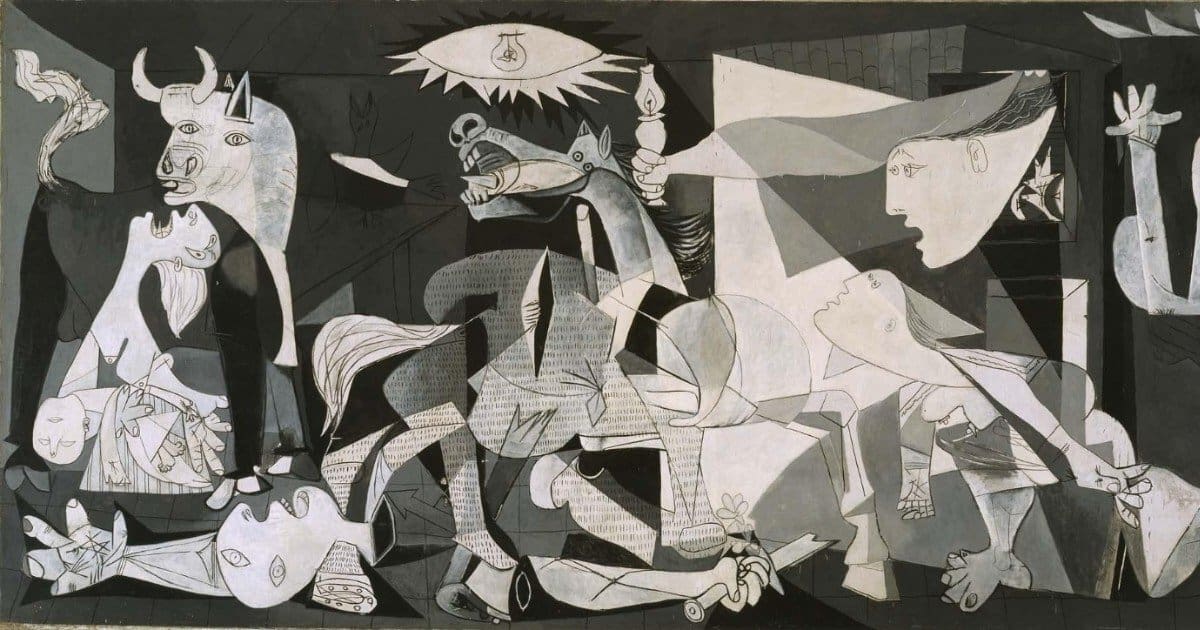
From DUSCAE Gabinete de Curiosidades in Barcelona and Madrid, we take a journey through the history of art through painting. As a form of artistic expression, painting has played a fundamental role throughout the history of art. From the primitive representations in caves to the complex contemporary masterpieces, painting has been a medium for conveying emotions, ideas, and human experiences. Its importance lies in its ability to capture the beauty of the world — and to reflect on the deeper aspects of the human condition.
I. Painting in Prehistory: The Roots of Art
Painting in prehistory represents the very origins of human art — a fascinating testament to the creativity and cultural expression of the first civilizations. This period spans from approximately 30,000 to 3,000 years before our era. Our ancestors left an enduring mark on the walls of caves and rock shelters, using natural pigments and rudimentary techniques to capture their world and their beliefs.
Cave paintings, such as those found in the caves of Altamira and Lascaux in Europe, reveal a surprising artistic sophistication and a deep connection between early humans and their natural environment. These representations — depicting animals, human figures, and abstract symbols — reflect the spiritual and ritualistic beliefs of these ancient communities, as well as their need to communicate and leave a permanent record of their existence.
In addition to cave paintings, prehistoric peoples also created mobile art: small sculptures and carved objects made from bone, ivory, and stone. These portable objects, such as Venus figurines and animal carvings, demonstrate the ingenuity and creativity of our earliest ancestors — conveying the depth and universality of the human creative impulse.
II. The Splendor of Egyptian Art: Testimonies of a Millennial Civilization
Egyptian art is one of the most enduring and recognizable legacies of human history. It reflects the greatness and mystery of a civilization that endured for millennia. From the majestic pyramids of Giza to the intricate reliefs of temples and tombs, Egyptian art has left an indelible mark on the history of art.
Egyptian artworks are characterized by their monumentality, symmetry, and hierarchy. Pharaohs, gods, and goddesses were represented in an idealized and stylized manner, with slender bodies and serene faces that reflected power and divinity. Human and animal figures were shown in rigid, frontal poses, with meticulous attention to detail and perfect symmetry.
The Egyptians used a variety of materials in their art — from limestone and granite to wood and precious metals — creating works of extraordinary durability and beauty. Hieroglyphics and wall paintings served not only decorative purposes but also religious and commemorative ones, recording the deeds of pharaohs and ensuring their passage into the afterlife. Every image carried deep symbolic and spiritual meaning.
III. Classical Art: The Greek and Roman Heritage
Greek and Roman classical art represents a period of splendor and unparalleled artistic achievement in the history of Western art. Both Greek and Roman cultures left a lasting artistic legacy that has influenced countless generations of artists and continues to be a source of inspiration today.
In ancient Greece, art flourished in all its forms — from sculpture to architecture and painting. Greek sculptors created masterpieces that captured the idealized beauty of the human body and the expression of emotions and moods. Marble and bronze sculpture, such as the Discobolus by Myron and the Venus de Milo, are iconic examples of the aesthetic perfection achieved by Greek artists.
Greek architecture, with its majestic temples and perfect proportions, also left an indelible mark on the world of art. The Parthenon in Athens is perhaps the finest example, with its Doric columns and decorative sculptures celebrating the cultural and religious achievements of ancient Greece.
The influence of Greek culture extended through the Roman Empire, where it merged with local traditions to create a unique artistic style. The Romans adopted and adapted Greek sculpture, architecture, and painting, incorporating their own elements and creating masterpieces such as the Colosseum, the Pantheon, and the reliefs of the Ara Pacis. Classical Greek and Roman art represents an era of unparalleled splendor whose legacy endures to this day.
IV. The Splendor of the Renaissance: A Rebirth of the Arts
The Renaissance, a period of cultural flourishing spanning the 14th to 17th centuries, marked a turning point in the history of Western art. Originating in Italy and then spreading throughout Europe, this revolutionary movement brought with it a renewal of the arts and sciences, reviving interest in classical knowledge and humanism.
In the field of art, the Renaissance was characterized by a return to classical idealism and an obsession with the naturalistic representation of the world. Renaissance artists strived to capture the beauty and harmony of the universe through meticulous observation and masterful technique.
The Italian Renaissance saw the rise of geniuses such as Leonardo da Vinci, Michelangelo, and Raphael, whose masterpieces continue to astound the world to this day. Leonardo, in particular, embodied the Renaissance ideal of the universal man, excelling in art, science, and engineering alike.
Renaissance painting reached new heights of technical and expressive achievement, with the development of techniques such as linear perspective and sfumato. Iconic works such as Leonardo da Vinci’s “Mona Lisa” and “The Last Supper” adorn the walls of museums and galleries around the world. The Renaissance legacy endures as an inexhaustible source of inspiration, reminding us of humanity’s capacity to reach new heights of creativity and expression.
V. The Impressionist Revolution: A New Vision of the World
Impressionism, a revolutionary artistic movement that emerged in the second half of the 19th century in France, marked a radical shift in the way art was conceived and represented. Breaking with established conventions and challenging academic norms, Impressionist artists sought to capture the fleeting quality of light and atmosphere in their works.
Working outdoors and using loose, expressive brushstrokes, these painters focused on the effects of natural light and the passage of time, creating works that convey a sense of vitality and movement. Monet, Renoir, Degas, and their contemporaries transformed the canvas into a window onto the living, breathing world.
Despite initial criticism and rejection by the academy, Impressionism soon gained recognition and admiration, laying the foundations for the artistic avant-gardes of the 20th century and exerting a lasting influence on the history of art. Today, Impressionist works are among the most valued and celebrated in the art world, captivating audiences of all generations with their beauty and innovative freshness.
We continue our exploration in DUSCAE | Painting in Art, now venturing into 20th-century painting.
VI. The 20th Century and Beyond: Explorations in Abstraction
DUSCAE | Painting in Art. The 20th century witnessed a prolific diversity of artistic movements that challenged established conventions and expanded the boundaries of artistic expression. One of the most influential was Cubism, pioneered by Picasso and Braque, which fragmented reality into geometric forms and multiple simultaneous perspectives.
This spirit of abstraction intensified with Expressionism, which sought to convey intense and subjective emotions through color and form. Dadaism and Surrealism further challenged established norms, embracing the absurd, the irrational, and the unconscious in their works. Meanwhile, Constructivism and Suprematism in Russia advocated for a purely abstract and functional form of art, profoundly influencing modern design and architecture.
The 20th century also witnessed the emergence of Pop Art, Abstract Expressionism, and Minimalism — each offering a new perspective on the relationship between art and contemporary society.
In the 21st century, art has continued to evolve and diversify, incorporating new technologies, media, and forms of expression — from the exploration of virtual reality to the redefinition of the relationship between art and activism. Contemporary art continues to challenge expectations and question the world around us.
At DUSCAE | Painting in Art, we celebrate this enduring legacy of painting. We are proud to offer a wide selection of artworks that reflect the richness and diversity of the pictorial tradition. Whether you are an experienced collector or a curious newcomer, our cabinet of curiosities is full of treasures for young collectors and art lovers alike. We invite you to explore and discover the painting that speaks to you.

 No products in the cart.