

I. DUSCAE | Collecting
In our article DUSCAE | Collecting, we explore some of the different forms of collecting that have existed throughout history. Collecting has been a deeply rooted activity in human history since ancient times. From early civilizations to the contemporary era, human beings have felt the need to gather and preserve objects they consider valuable or significant. This innate impulse to accumulate and classify objects has deep roots in human nature — it reflects our curiosity, creativity, and desire for connection with the past.
Over the centuries, collecting has evolved and diversified, encompassing a wide range of objects — from historical artifacts and works of art to everyday objects and curiosities. Private collections, in particular, have played an important role in preserving and spreading the cultural and artistic heritage of humanity.
II. The History of Collecting: From Antiquity to the Present Day
Collecting has its roots in ancient civilizations, where rulers, nobles, and cultural elites accumulated objects of value as symbols of power, prestige, and social status. In Mesopotamia, for example, cuneiform tablets have been found recording collections of art, as well as exotic objects gathered by kings and priests. In ancient Egypt, pharaohs collected artworks, jewels, and ritual objects for their tombs, believing these would accompany them into the afterlife.
Middle Ages and Renaissance
During the Middle Ages and the Renaissance, collecting spread among the European nobility. Art, illuminated manuscripts, classical antiquities, and natural curiosities — such as botanical rarities and taxidermied animals — were all eagerly sought. During the Age of Exploration, maritime expeditions brought a wave of exotic objects and cultural artifacts from around the world, fueling new forms of collecting across Europe.
Today, collecting remains a popular and diverse activity, with collections spanning a wide range of objects — from contemporary art and antiques to pop culture memorabilia and collectible items. Young collectors are driving a new wave of interest in collecting, taking advantage of the opportunities offered by the internet and social media to connect, share, and acquire unique pieces for their collections.
III. Types of Collectors
A. Private Collectors
Definition and Characteristics
Private collectors are passionate individuals who dedicate time, effort, and resources to the acquisition and preservation of objects of sentimental, historical, or artistic value. These collectors typically have a deep emotional connection with their collections, motivated by the desire to own and care for pieces they consider important and meaningful. Common characteristics of private collectors include specialized knowledge in their area of interest, an active search for new acquisitions, and a commitment to the proper conservation and display of their collections.
Motivations for Collecting
Private collectors may be motivated by a variety of reasons. Some feel a personal connection with the objects they collect, while others may be drawn by an interest in history, culture, or art. For many, collecting offers an opportunity for investment and the appreciation of assets over time, while others are simply captivated by the aesthetics and beauty of the pieces they acquire.
Why Young People Are Interested in Collecting
Young people are drawn to collecting for a variety of reasons. Some are attracted by the thrill of the treasure hunt and the search for unique and special objects. Others find in collecting a way to express their creativity and personality, as well as to connect with others who share their interests. In addition, collecting can offer opportunities for learning and personal development, as well as the chance to establish connections with history, culture, and art.
Examples of Notable Young Collectors
Among notable young collectors are figures such as entrepreneur Elon Musk, known for his fascination with technology and space exploration, and singer Taylor Swift, who has amassed an impressive variety of musical memorabilia throughout her career. These examples illustrate how collecting can be a deeply personal and passionate pursuit, driven by enthusiasm and determination in the search for pieces that resonate with the collector’s identity.
B. The Art Market and Private Collections
The Impact of Collecting on the Art Market
Private collecting has a significant impact on the art market, influencing the demand, supply, and value of artworks. Acquisitions made by private collectors can increase interest in certain artists or artistic movements, which can lead to rising prices on the market. Furthermore, private collections often serve as sources of loans for exhibitions and art events, contributing to the dissemination and appreciation of art in society.
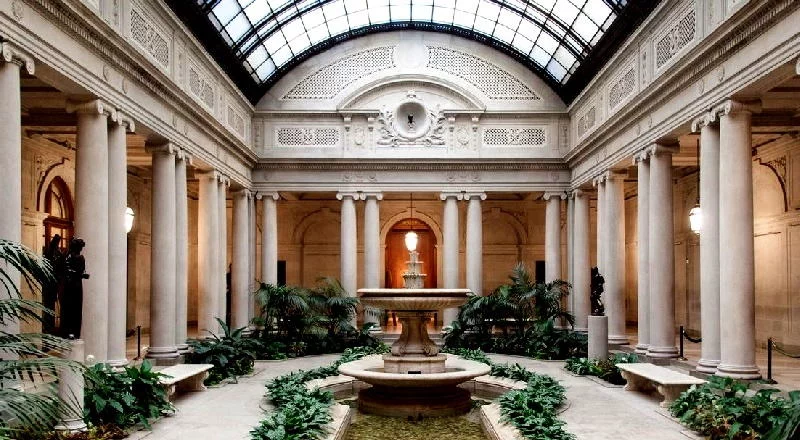
A prominent example is the Frick Collection in New York, which houses a magnificent selection of masterworks by artists such as Rembrandt, Vermeer, and Goya — a testament to the enduring cultural value of great private collections made available to the public.
Current Trends in the World of Collecting
In the world of collecting, various current trends are emerging, including a growing diversification of collections to include contemporary art, digital art, and works by underrepresented artists. Collectors are increasingly aware of the importance of supporting emerging talents and exploring new artistic frontiers.
At DUSCAE, we are passionate about connecting young collectors with the art and objects that inspire them. Our cabinet of curiosities offers a curated selection of unique pieces — from original artworks to rare collectibles — that speak to a new generation of collectors eager to build collections that are meaningful, personal, and enduring.



 No products in the cart.