

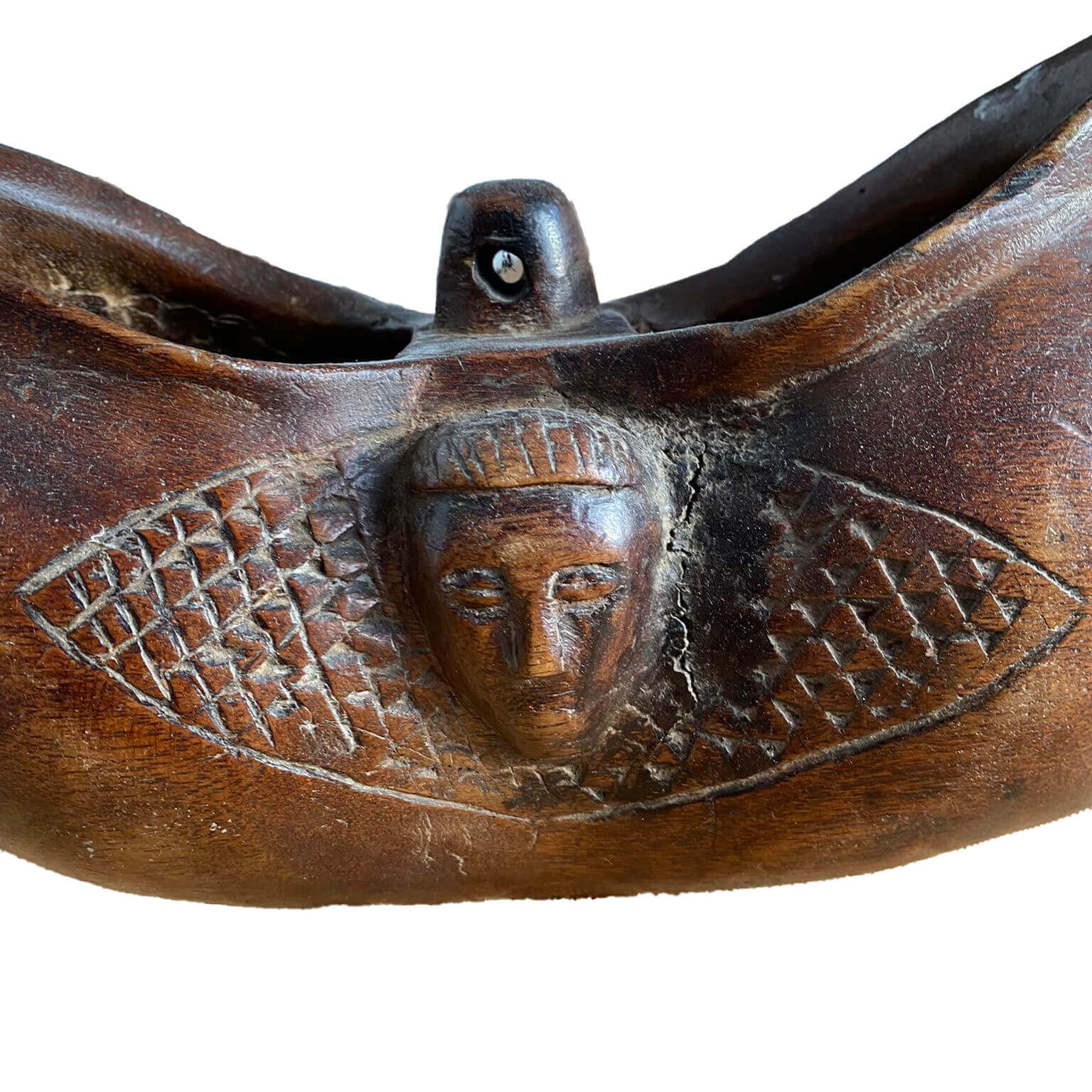
In this first article — “African Art: Duscae Cabinet of Curiosities” — we will survey African art in its different manifestations across time.
Within the world of art, African creativity and cultural expression have left a significant mark. African art combines influences from diverse tribes and cultures across the continent. This art is primarily functional, often created with a specific purpose in mind — religious rituals, dances, ceremonies, and social events. Its functional character not only distinguishes it, but also reflects a deep connection with the traditions, beliefs, and values of the communities that produce it.
African art is eminently symbolic. It uses symbols and patterns to communicate ideas, stories, and emotions, and these symbols often carry deep cultural or religious meaning. Colours, forms, and textures are employed to represent aspects of the natural and spiritual world, using natural materials such as wood, metal, clay, and textiles. African artists possess an extraordinary command of these techniques, using them to create objects that are both aesthetically beautiful and functionally practical.
Tribal African Art: The Expression of Identities and Traditions
Tribal African art is a manifestation of the rich cultural heritage of the continent. It is characterised by a unique style in which functionality and symbolism are central elements. African tribal objects are aesthetically compelling and also hold profound meaning in the everyday life of African communities. Masks, sculptures, jewellery, and textiles are just some examples of tribal African art, each with its own symbolism and purpose. These works of art are used in ceremonies, rituals, and social events to express identity, protection, and fertility, among other meanings.
The wood-carving process is typically a meticulous ritual. It begins with the selection of a suitable tree and continues with the preparation and drying of the wood before the sculpture itself is undertaken. The final form of the sculpture is usually determined by the cultural tradition of the tribe and the meaning behind the work. African wooden sculptures can vary greatly in size — from small ceremonial objects to monumental pieces. Regardless of their size, these sculptures are regarded as carriers of deep meaning, often representing deities, ancestors, or mythological figures.
In West Africa, wood sculpture is a prominent art form. Nigeria is distinguished by the bronze sculpture of the Kingdom of Benin, famous for its realism and detail — particularly the royal heads. Ritual objects in the form of figures and statuettes are common across other cultures of the region. In Mali, wooden figures carved in honour of ancestors are an important part of the artistic tradition.
Textiles
Every region and tribe in Africa has its own distinctive weaving style, making use of local techniques and materials. Notable examples include the traditional bogolan of Mali, dyed with mud, and the kente cloth of Ghana, hand-woven from silk and cotton. These textiles are not only artistic expressions but also visual narratives, often conveying stories, myths, and cultural beliefs. Today, African textile art continues to be appreciated worldwide for its aesthetic beauty and profound cultural significance.
In Senegal, traditional textiles such as ndiaye-djegui — a cotton fabric woven with gold thread — are used in ceremonies and on special occasions. Ivory Coast is known for bogolanfini, a mud-dyed textile prized for its complex patterns and cultural meaning. Across the continent, clothing and dress can also be considered art forms in their own right, often decorated with intricate weaving and elaborate jewellery.
Masks
African masks play a central role in the ceremonies and rituals of many cultures across the continent, marking important life events such as birth, initiation, death, mourning, and harvest. Hand-carved from wood, bone, leather, fabric, and other natural materials, they reflect the beliefs, mythologies, and values of African communities. The designs typically represent spirits, deities, animals, and human figures, with characteristics and styles that vary by region and cultural tradition.
African masks are far more than simple objects — they also embody the connection between the spiritual world and the human world. The dance and ritual use of these masks are considered acts of direct communication with the spirits, which are often believed to possess the mask-wearer during the ceremony. Today, African masks remain highly valued works of art and living witnesses to the tradition, history, and spirituality of the continent. Their impact and appreciation transcend borders, recognised as an authentic and distinctive expression of African cultural heritage.
Armour and Shields
African armour is a remarkable art form in its own right, crafted with natural materials and often adorned with intricate designs and cultural symbols — reflecting not only the technical skill of African craftspeople but also the depth and richness of the continent’s culture and history. African shields also play a crucial role in African culture and warfare. From the large defensive pieces of the Zulu tribes to elaborately carved wooden shields adorned with hides, feathers, and tribal symbols, African shields are visual testimonies to the artistic skill and cultural diversity of the continent. Beyond their functional use, these shields are works of art in themselves, designed and created to convey a range of meanings and cultural symbols.
Sceptres
Sceptres are significant objects in many African cultures, serving as symbols of authority or representations of tribal deities. They also carry cultural and spiritual meaning, often imbued through a series of rituals and ceremonies that mark important events, such as the enthronement of a new leader or the celebration of a religious ceremony. Today, African sceptres remain an important component of African culture, frequently studied and admired by collectors, art historians, and anthropologists. They are a vivid representation of Africa’s rich cultural and artistic heritage, and continue to be an integral part of the life and history of many African tribes and societies.
Conclusion
Tribal African art is a rich expression of cultural identities, religious beliefs, and traditions. From antiquity to the present, African art has captured the imagination and made a lasting impression on the world. Through ritual objects, sculptures, armour, masks, and sceptres, the richness and diversity of African cultures have been transmitted across time.
If you enjoyed our article “African Art — Duscae Cabinet of Curiosities,” you can explore the other articles on our blog. Discover our unique and collectible pieces in our Ethnic and Tribal Art category, or visit our Cabinet of Curiosities in Barcelona or Madrid.
 No products in the cart.