
One Night with Marilyn: The 1961 Session
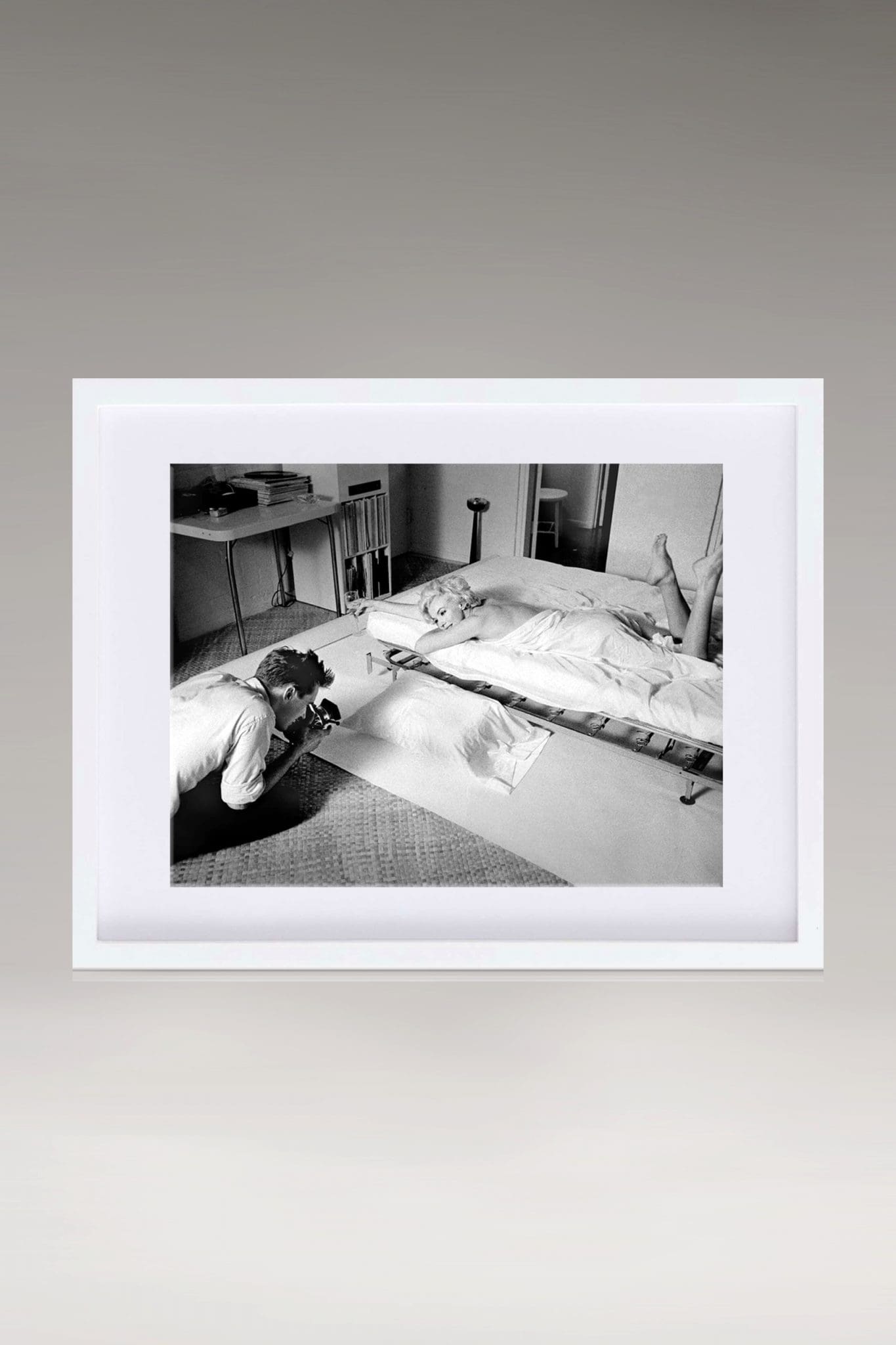
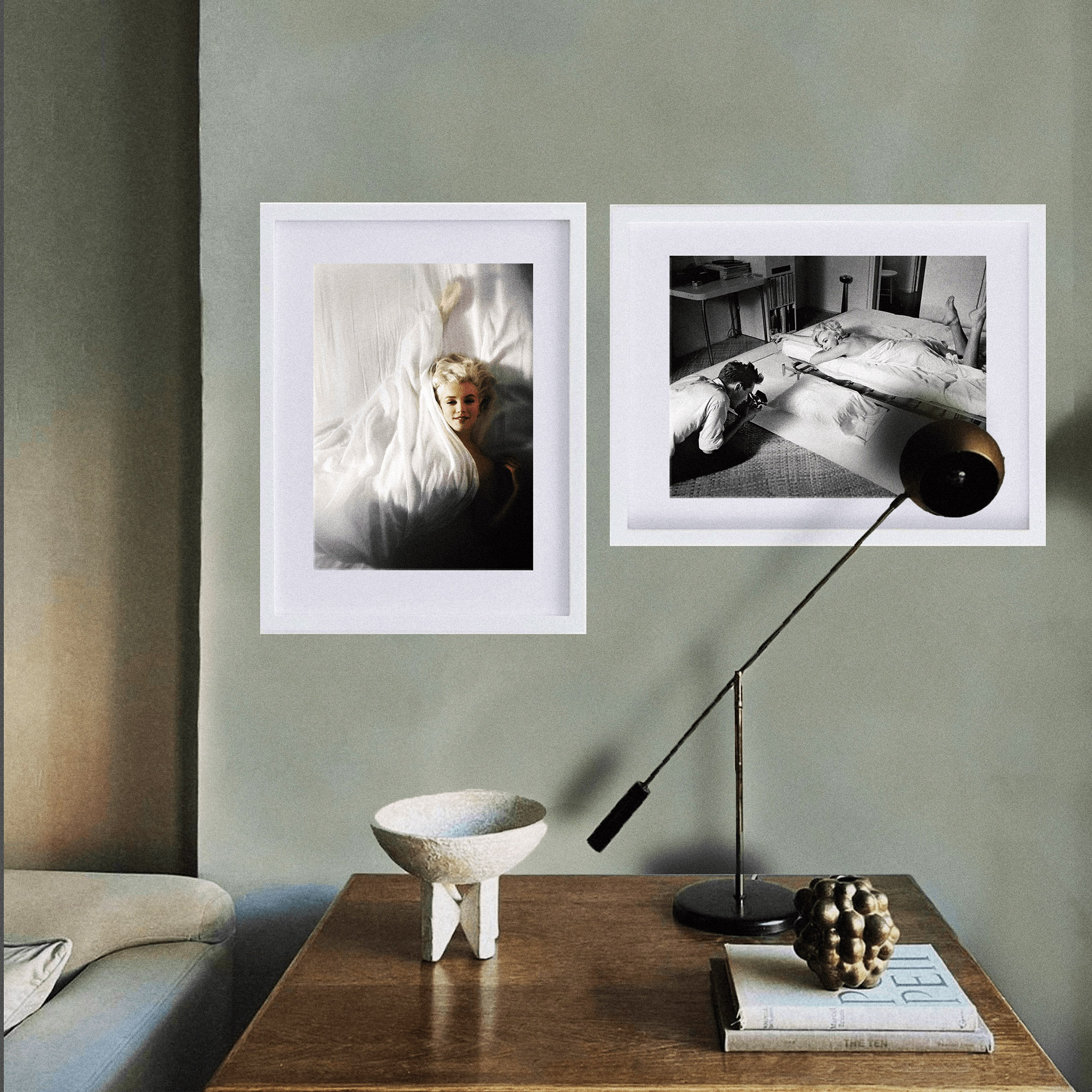
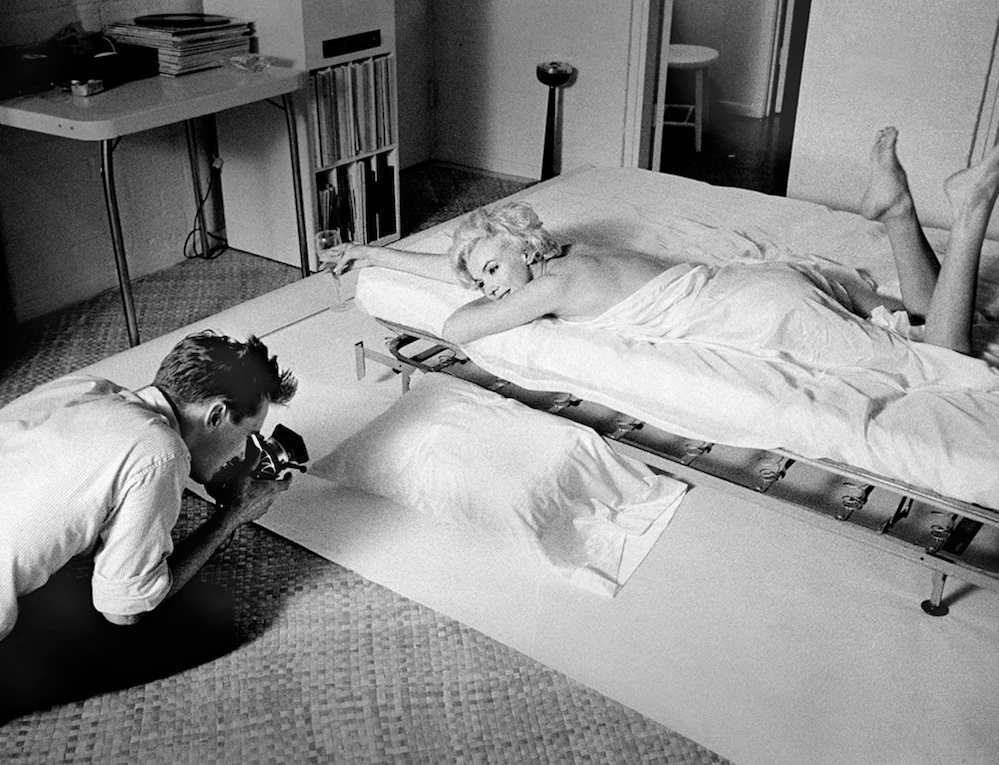
In November 1961, a twenty-six-year-old photographer on assignment for Look magazine was given access that most of his contemporaries could only imagine. Douglas Kirkland spent an evening with Marilyn Monroe at a studio in Los Angeles, shooting under conditions of remarkable intimacy — champagne, Frank Sinatra on the record player, sheets of white silk, and a subject who understood the camera as few people in history have. The resulting archive pigment prints became among the most reproduced images of Monroe ever made, and among the most significant photographs in 20th-century American portraiture. Kirkland, who went on to shoot on the sets of more than 170 major films and document figures from Coco Chanel to Leonardo DiCaprio, has described this session as the turning point of his career: the night that fixed his relationship with photography as an act of collaborative intimacy rather than mere documentation.
Monroe at Thirty-Five: A Final Chapter
The November 1961 session came less than nine months before Monroe’s death on 4 August 1962, at the age of thirty-six. It was made at a moment when her public life — the films, the marriages, the celebrity — had reached a condition of exhausted overexposure, and yet the images Kirkland made that evening conveyed something entirely different: a private self, unguarded and luminous, that the public persona had long concealed. Monroe had recently completed The Misfits (1961), a film that ended both her marriage to Arthur Miller and, in many ways, a phase of her career. The Kirkland session catches her in this transitional moment: between the great public roles and whatever might have come after. That there was no after is what makes these photographs irreplaceable. They are not images of Marilyn Monroe the icon, but of Norma Jeane in her final year — a distinction that photographers and critics have been drawing ever since.
The Archive Pigment Print as Art Object
Archive pigment prints — produced using archival-quality inks on acid-free substrates — represent the gold standard for fine art photographic reproduction. Unlike earlier photographic processes, archival pigment printing offers permanence measured in centuries under standard conservation conditions, colour fidelity that renders the tonal subtleties of the original negative with unprecedented accuracy, and a surface that holds detail in both shadow and highlight simultaneously. Kirkland’s prints from the 1961 session, produced to museum-quality standards, belong to the tradition of photography as fine art: not reproductions but original objects, authorised by the artist, made from the original negative, and carrying the full weight of that source material.
 No products in the cart.