

The Mumuye and the Architecture of Iron Exchange
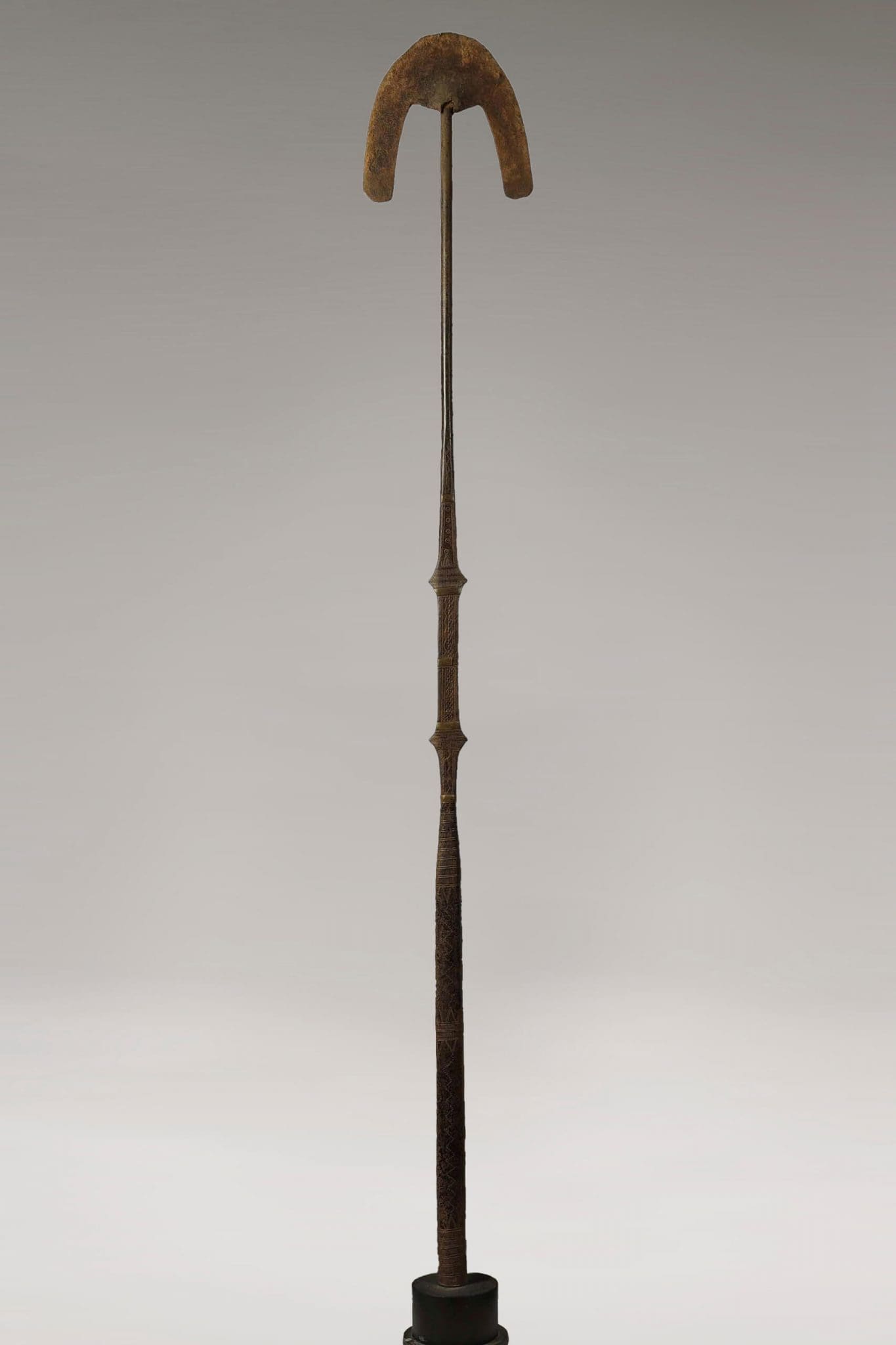
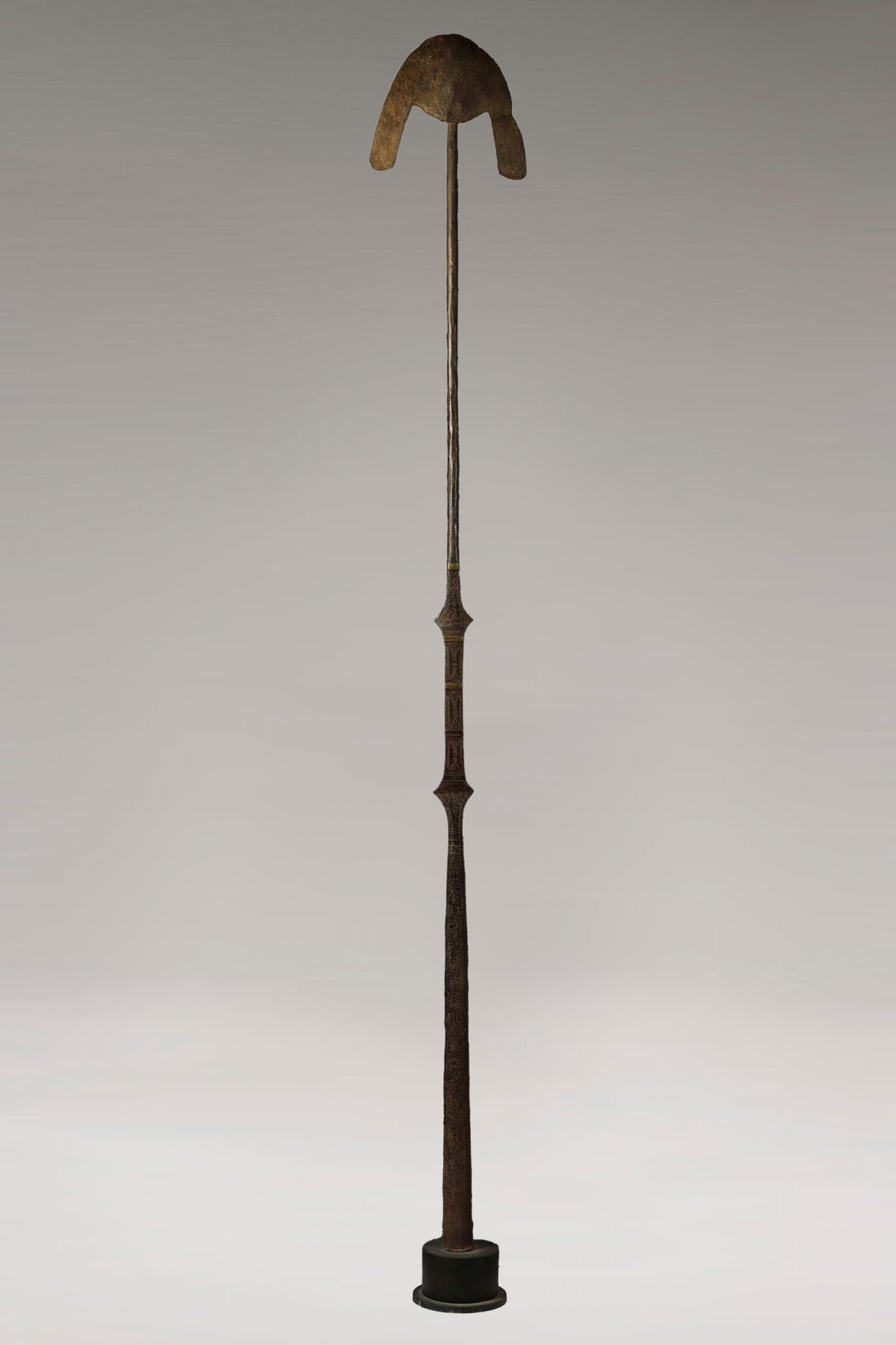
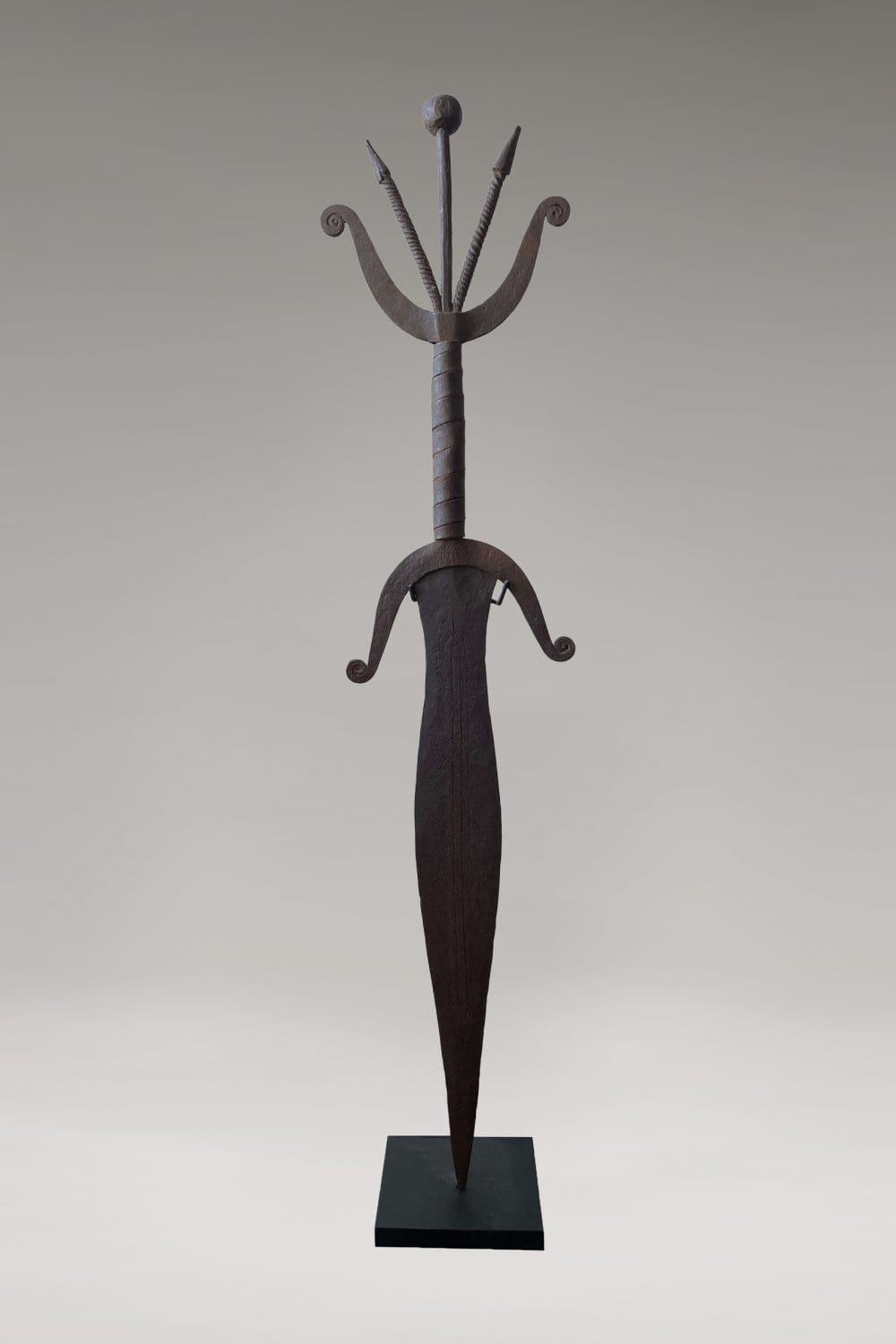
In the Taraba State of northeastern Nigeria, the Mumuye people developed one of sub-Saharan Africa’s most distinctive material cultures — a world of elongated figural sculpture, elaborate masking traditions, and a system of ceremonial exchange built around large, unwieldy objects of forged iron that served as currency in the most socially consequential transactions of Mumuye life. These iron currencies — sometimes called “hoe currencies” by early ethnographers, though they bore little functional resemblance to agricultural hoes — were not everyday exchange media but prestige currencies reserved for the major moments in the social cycle: the negotiation and payment of bride wealth, the settlement of serious disputes, the marking of alliances between lineages. Their very unwieldiness was part of their social function: objects that could not be spent casually but required commitment, negotiation, and the marshalling of social resources to deploy were markers of serious intent and substantial obligation.
Forged Form: Iron as Statement
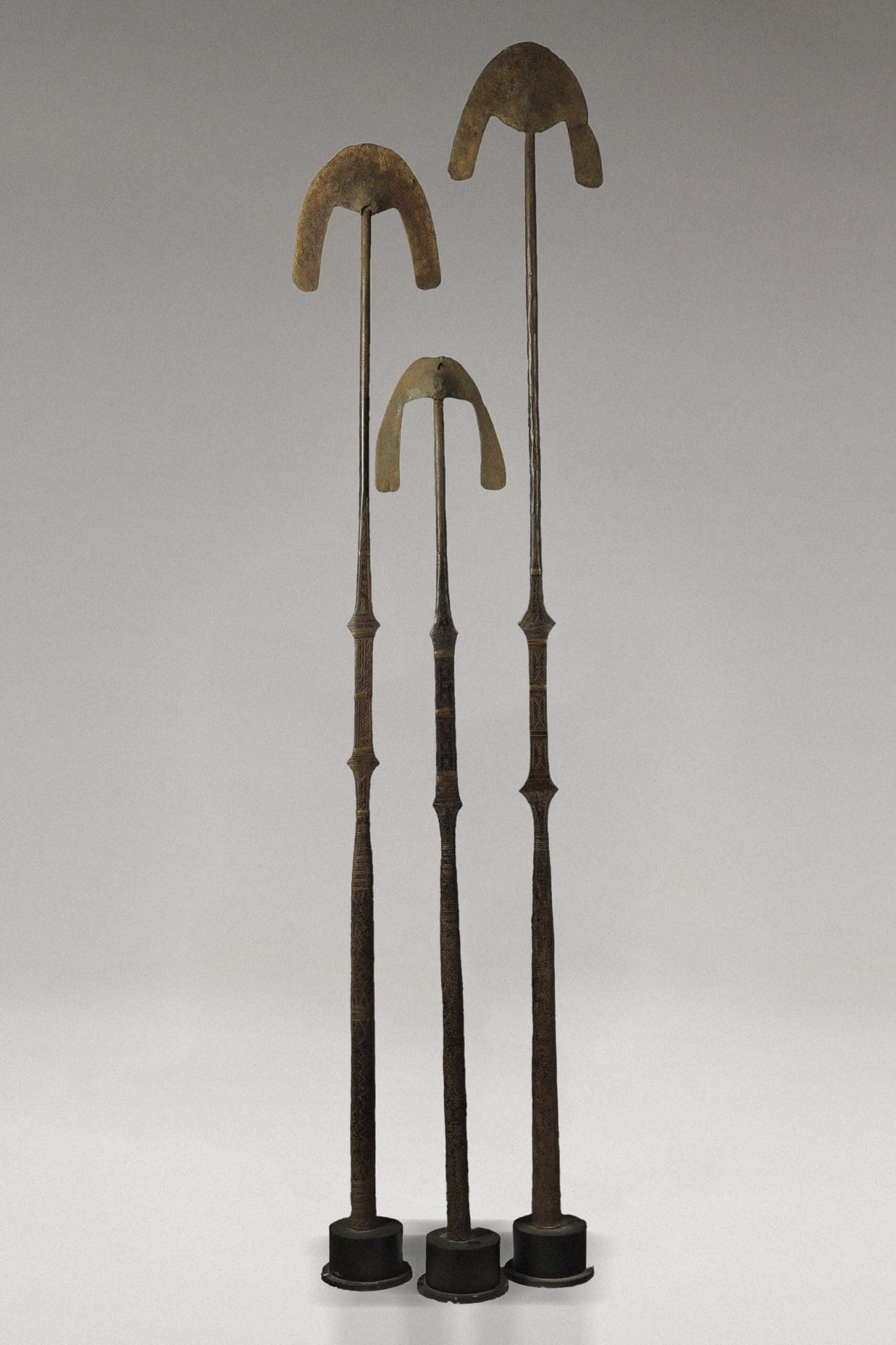
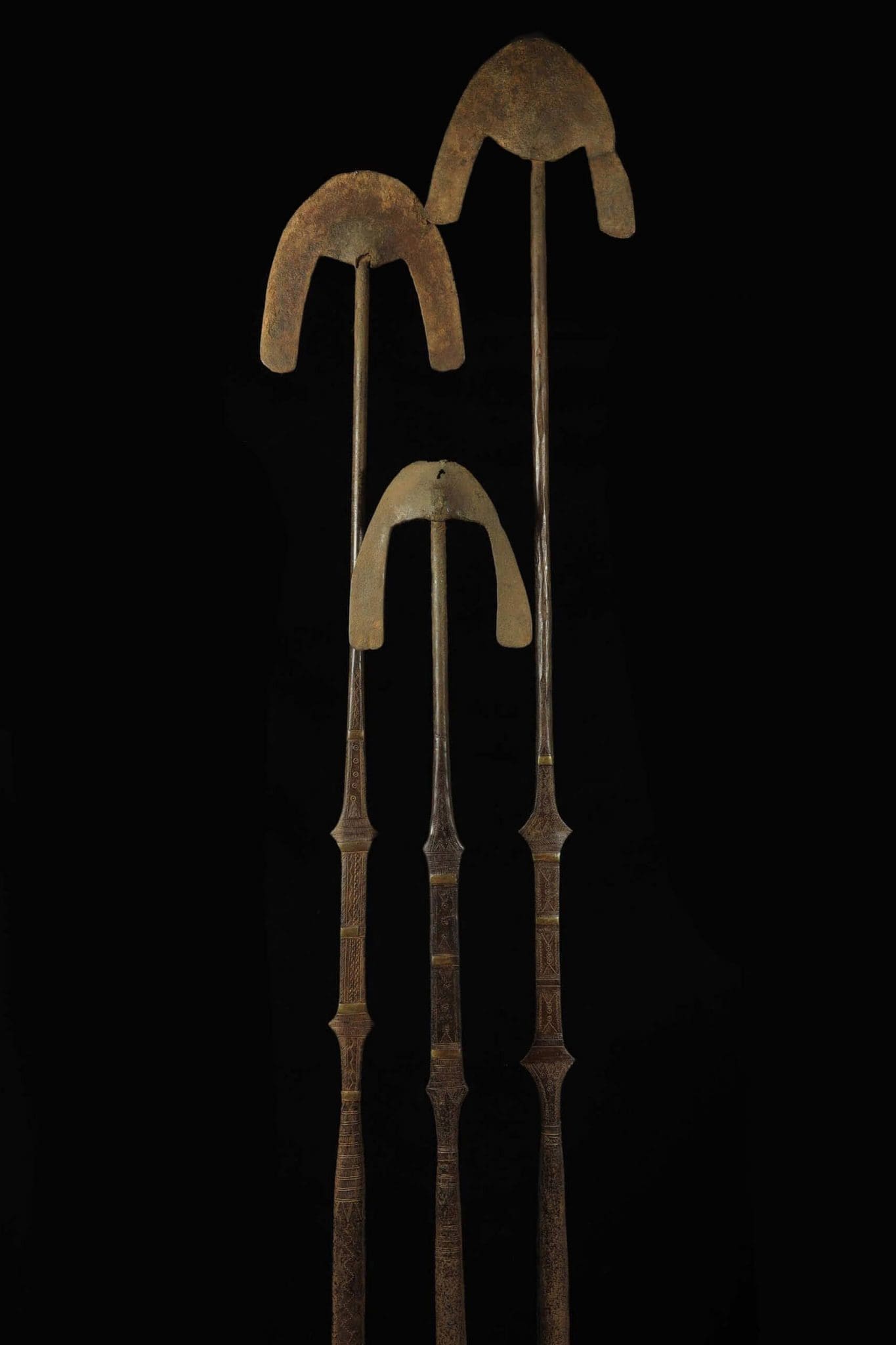
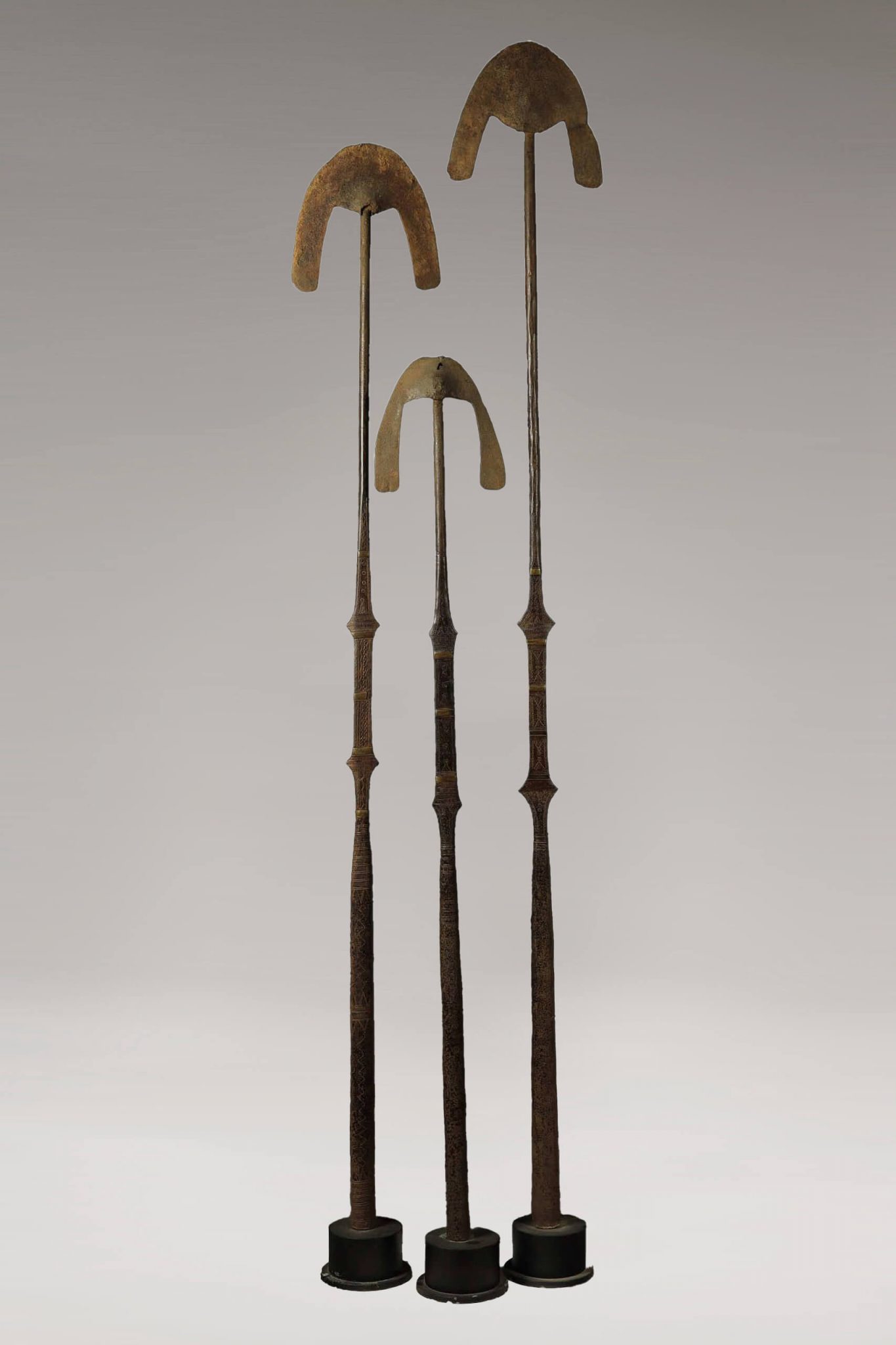
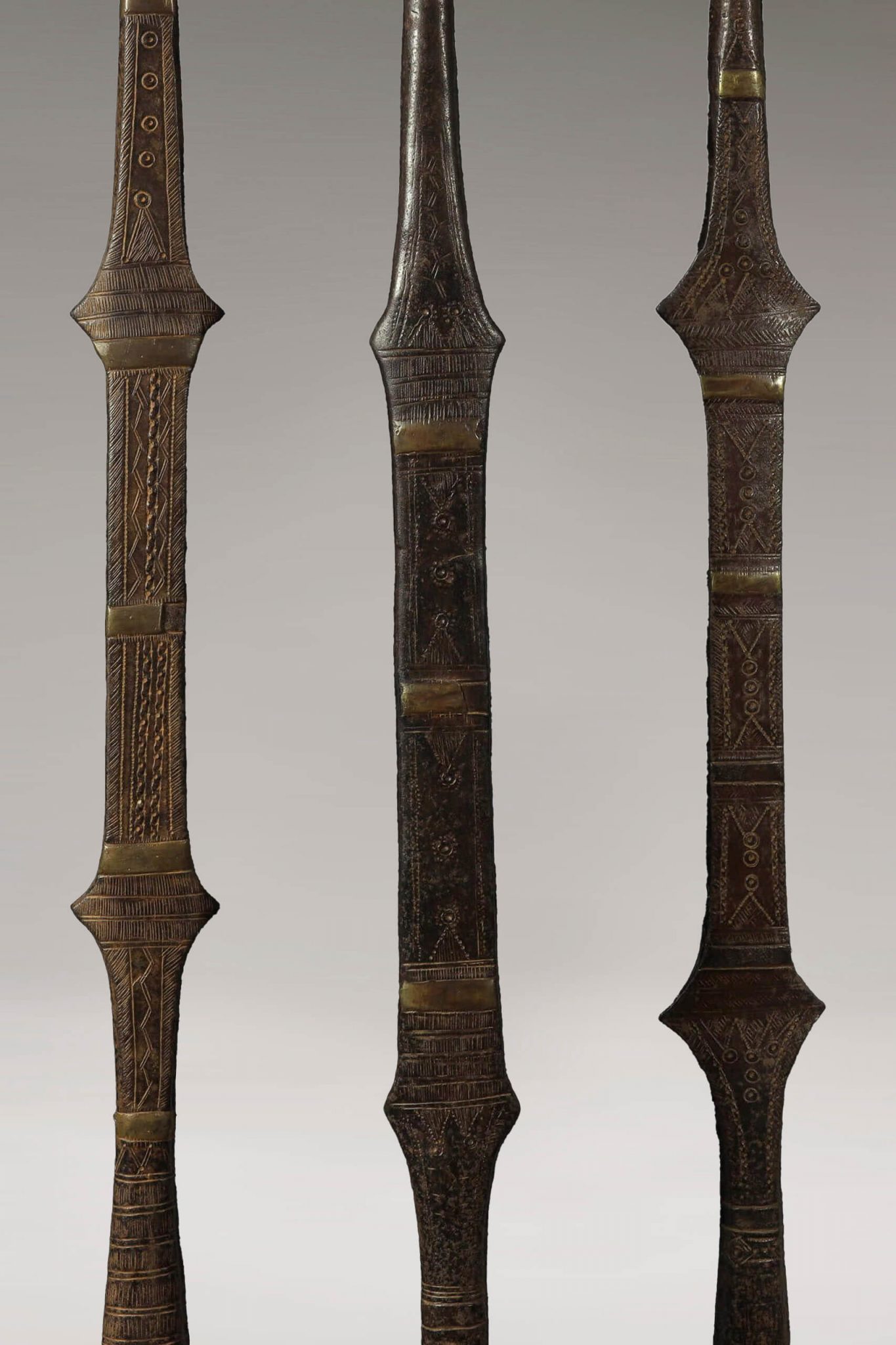
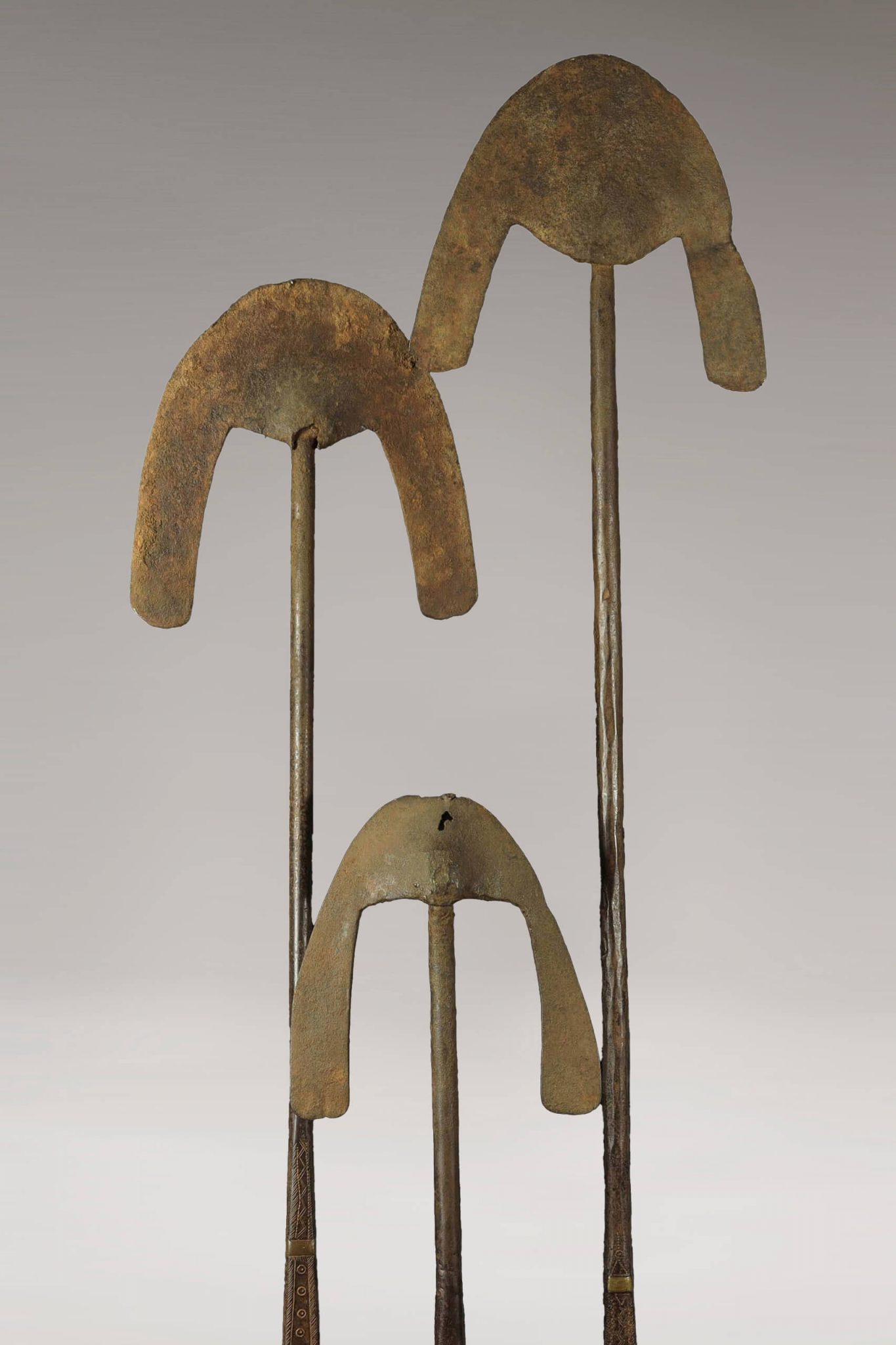
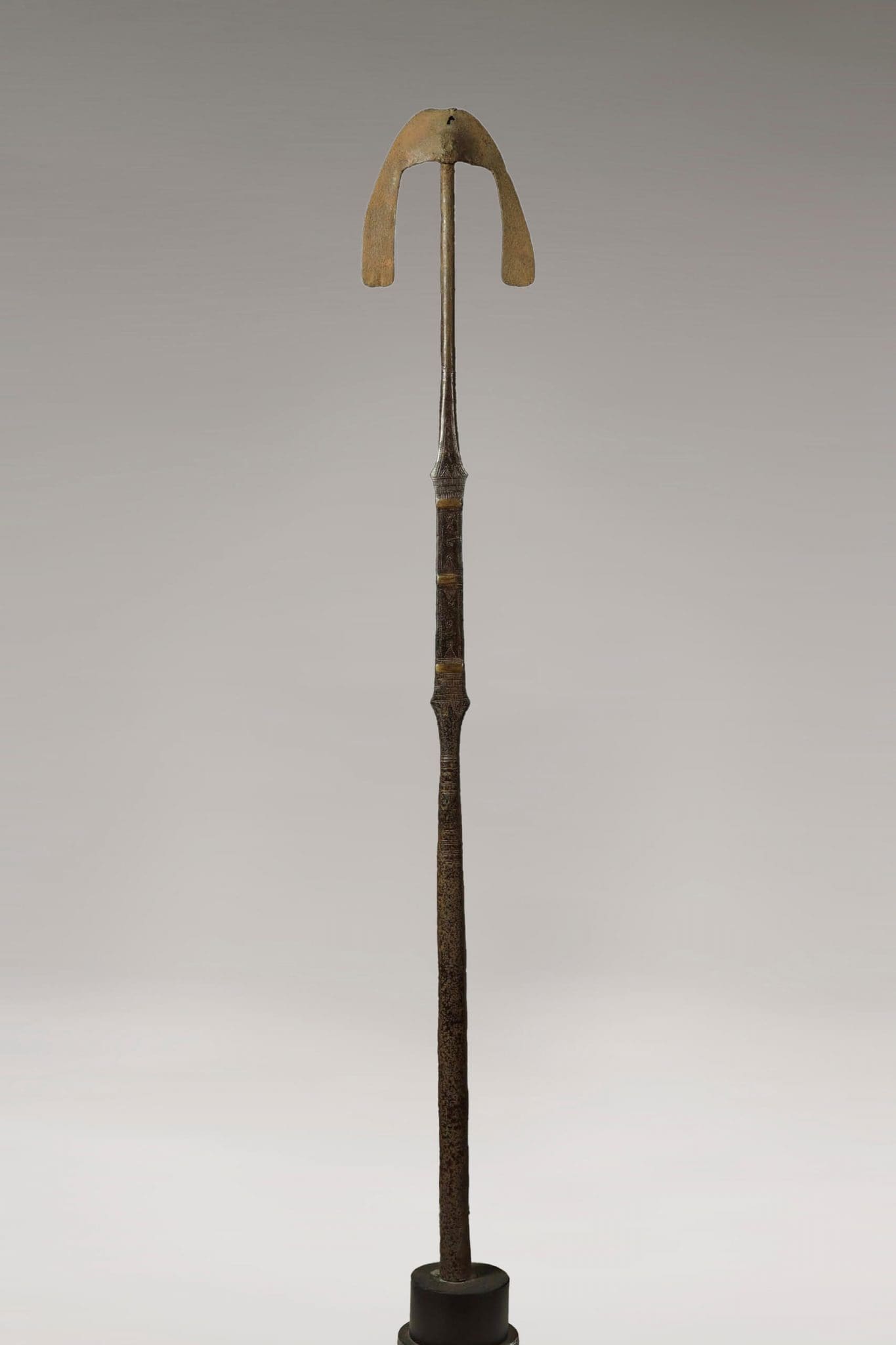
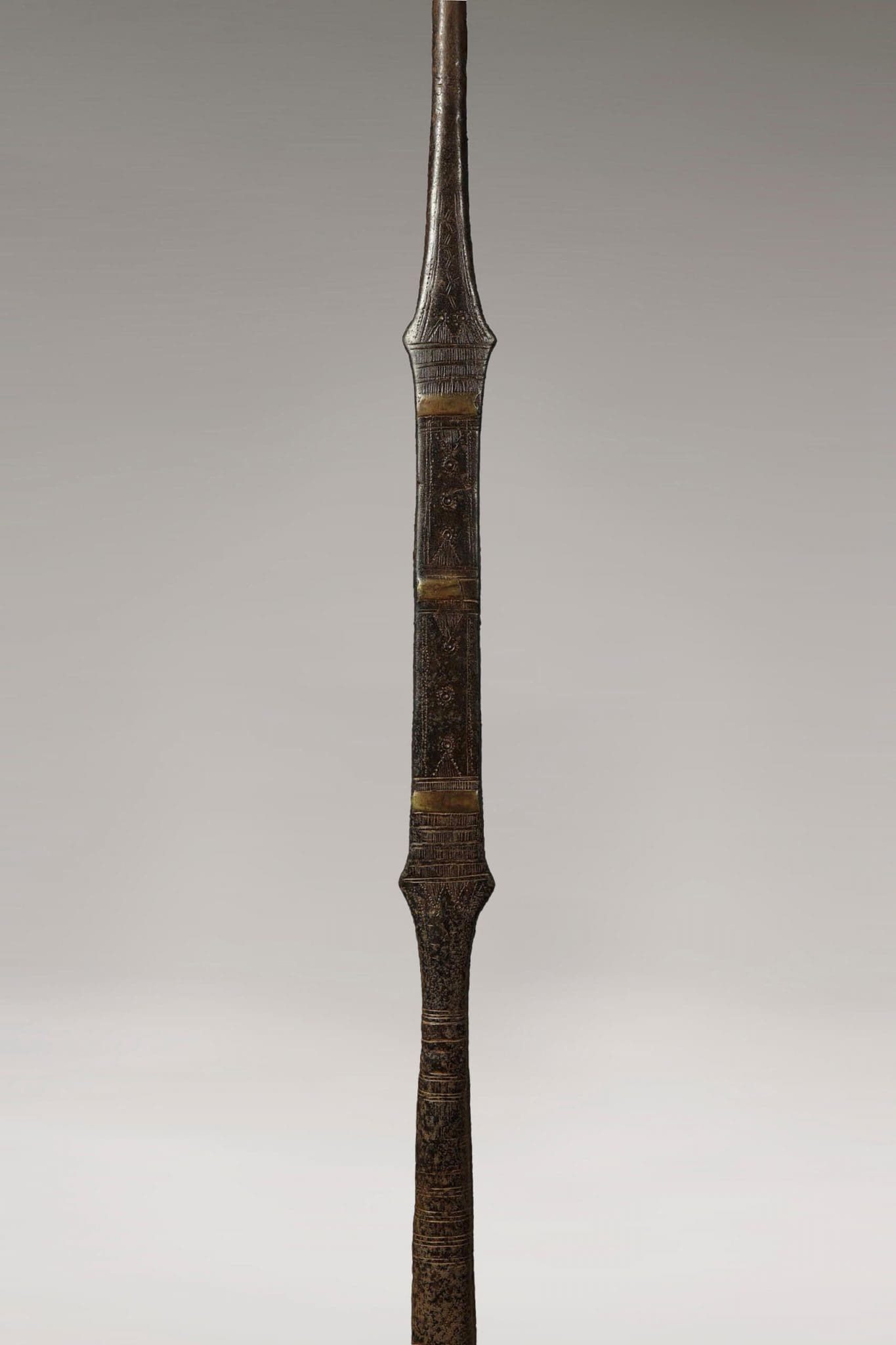
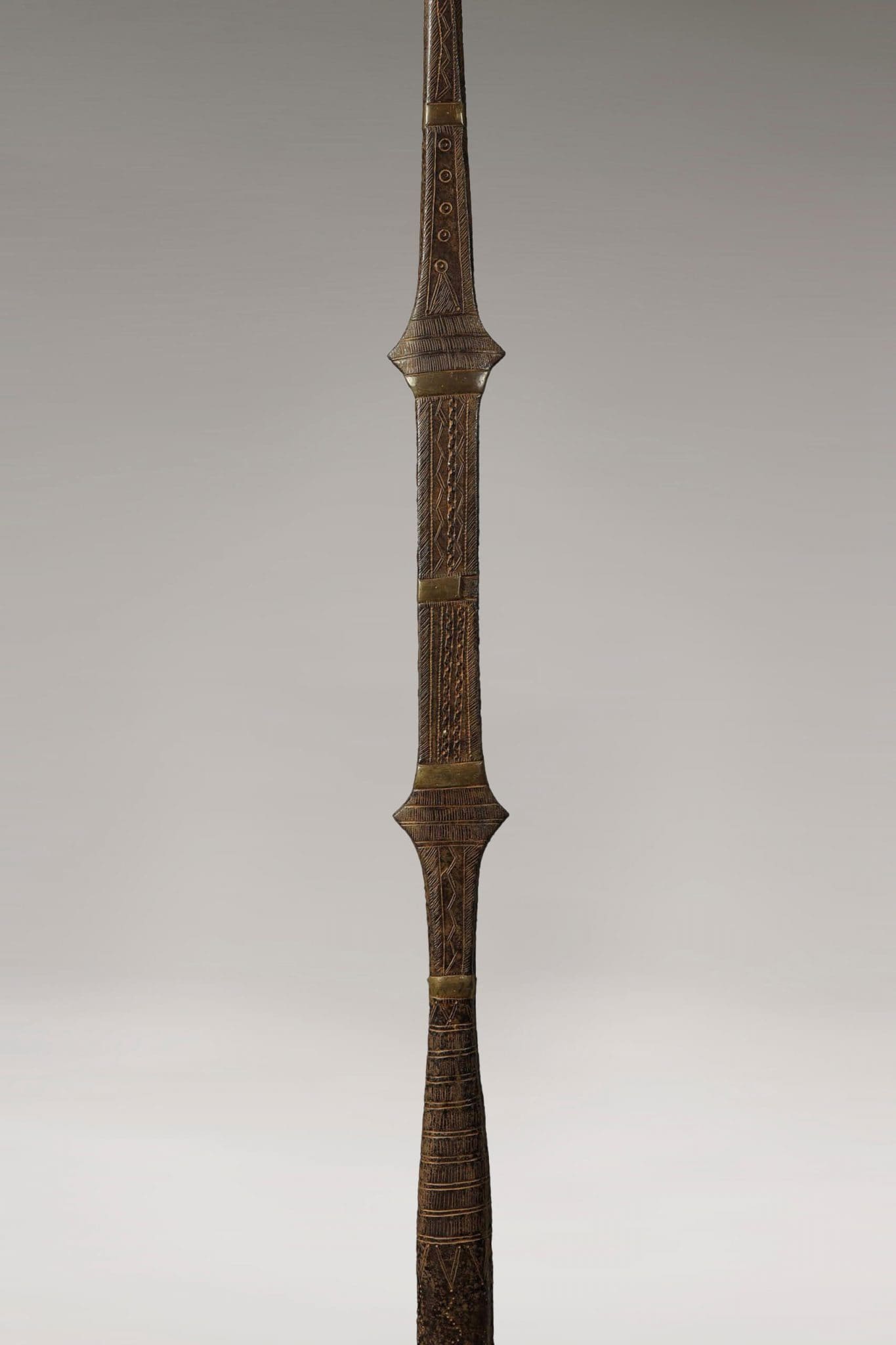
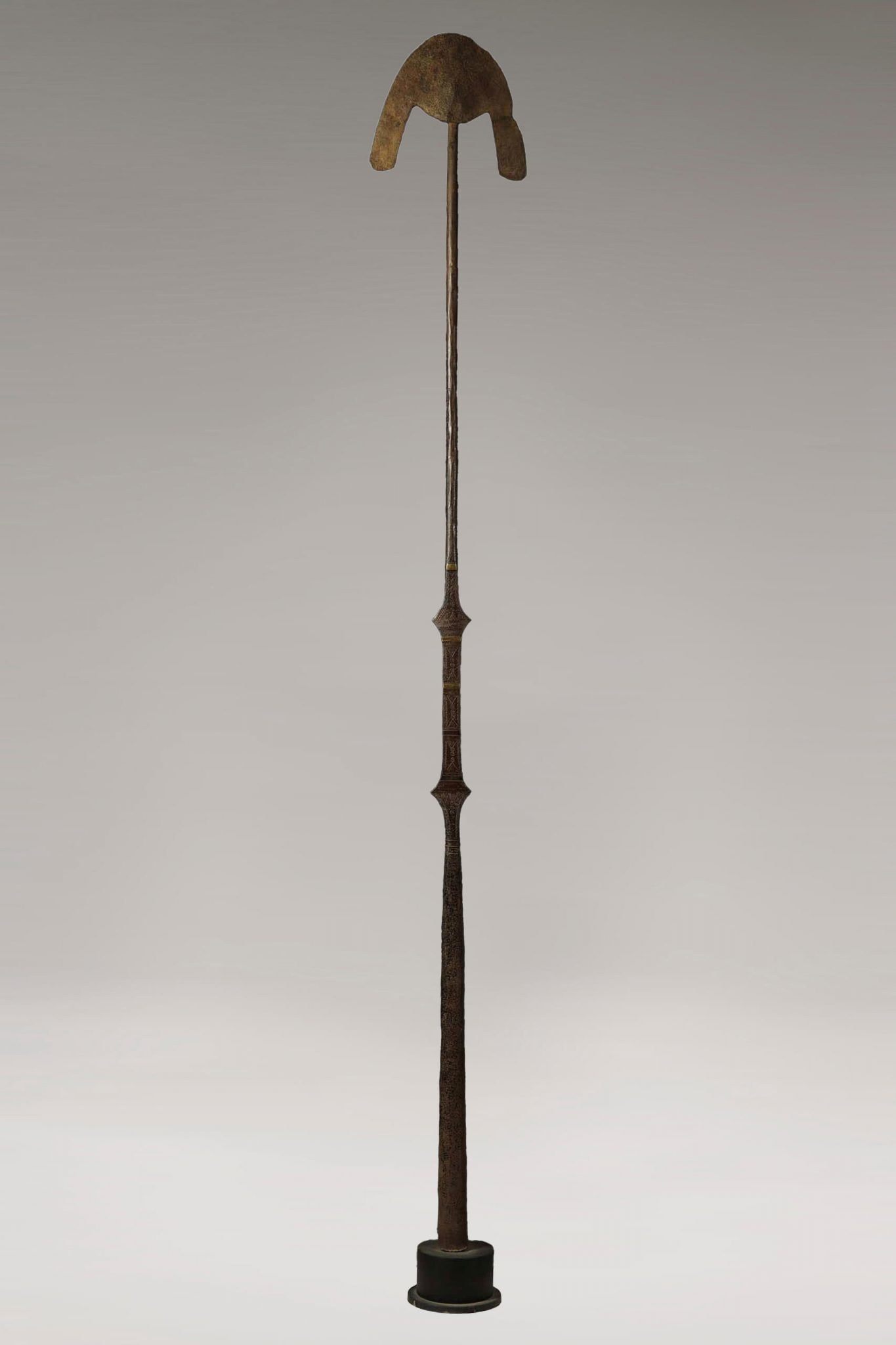
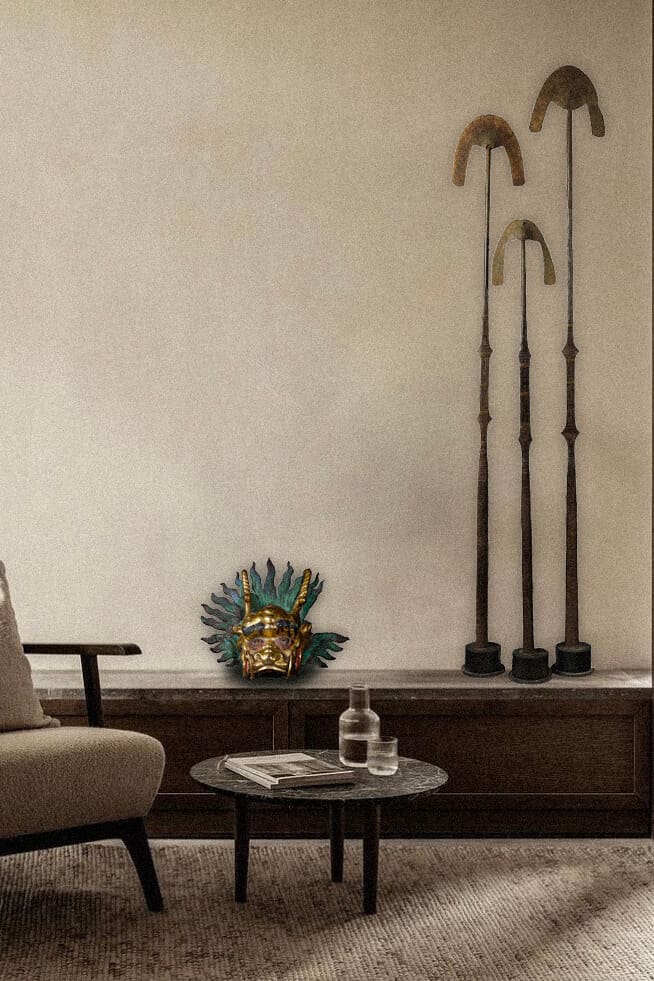
The iron-working traditions of northeastern Nigeria are among the most developed in the continent. Mumuye smiths working within an established formal vocabulary produced currency objects whose combination of material density and visual abstraction gave them a presence entirely disproportionate to their physical scale. A set of three such objects — each piece an individual statement in forged iron, the three together constituting a unit of social value — would have represented a significant investment of both material resources and craft skill. The flattened, elongated form that characterises Mumuye iron currency allows the pieces to be stacked and bundled for transport while retaining a distinctive visual identity that announces their nature and value to anyone familiar with the Mumuye exchange system. The surface oxidation that accumulates on iron objects over decades of storage is itself a kind of record: the patina of social history, visible in the metal.
Currency and Art: A Distinction Without a Difference
The distinction between “currency” and “art” that Western classification systems tend to enforce collapses when confronted with objects like these Mumuye iron forms. They were made by specialist smiths using sophisticated techniques; they carried aesthetic expectations that were part of their social function — a poorly made currency object would not serve as a credible marker of serious social intent; and they accumulated, through their circulation in the exchange system, a history of the relationships they had helped to establish or resolve. In this sense, every Mumuye iron currency object is simultaneously an economic instrument, a social document, and a work of art: a distinction without a difference, in a world where the making of beautiful things and the conduct of social life were not separate activities.




 No products in the cart.