

Final Fantasy XV and the Art of the Impossible World
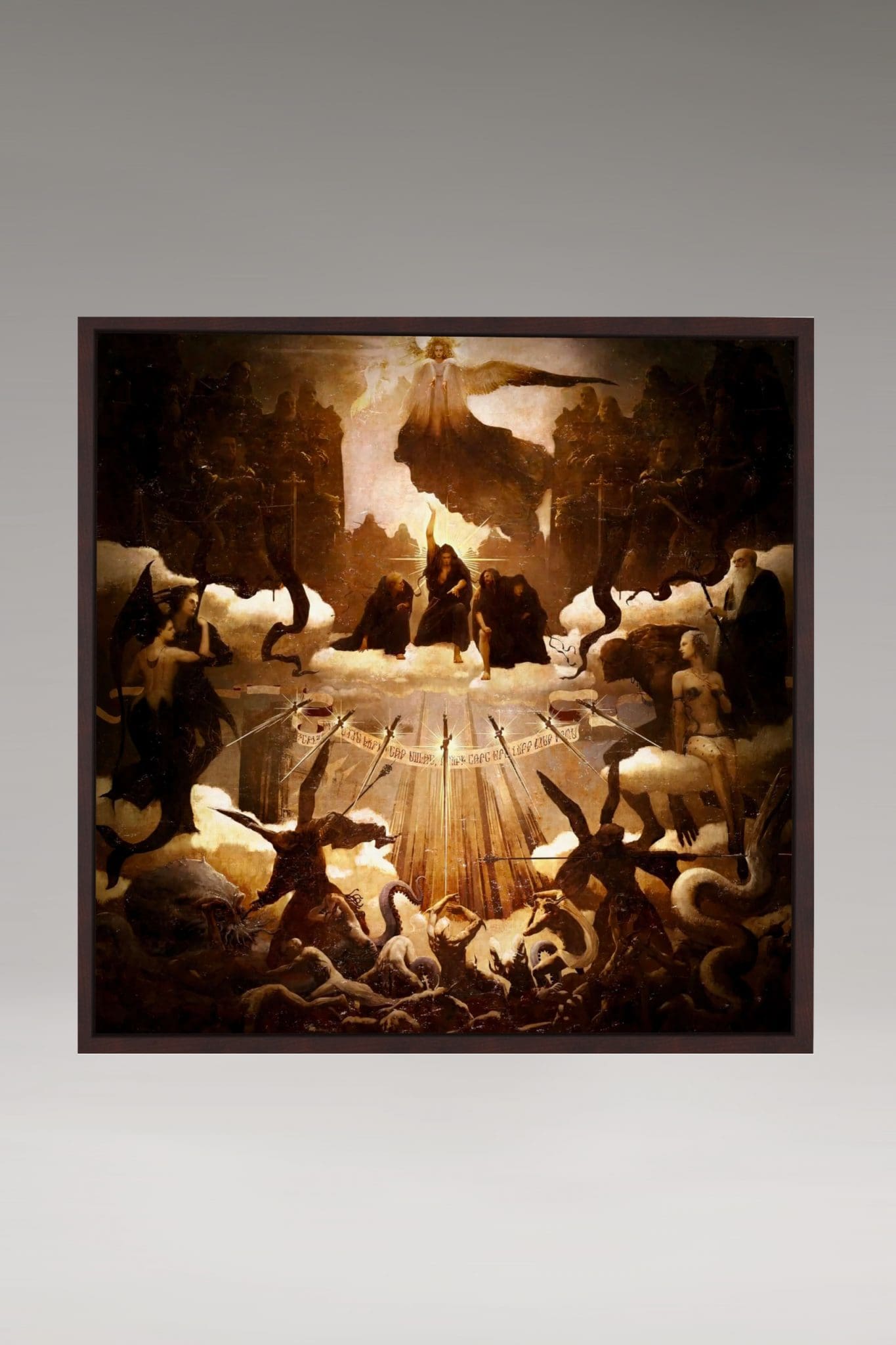
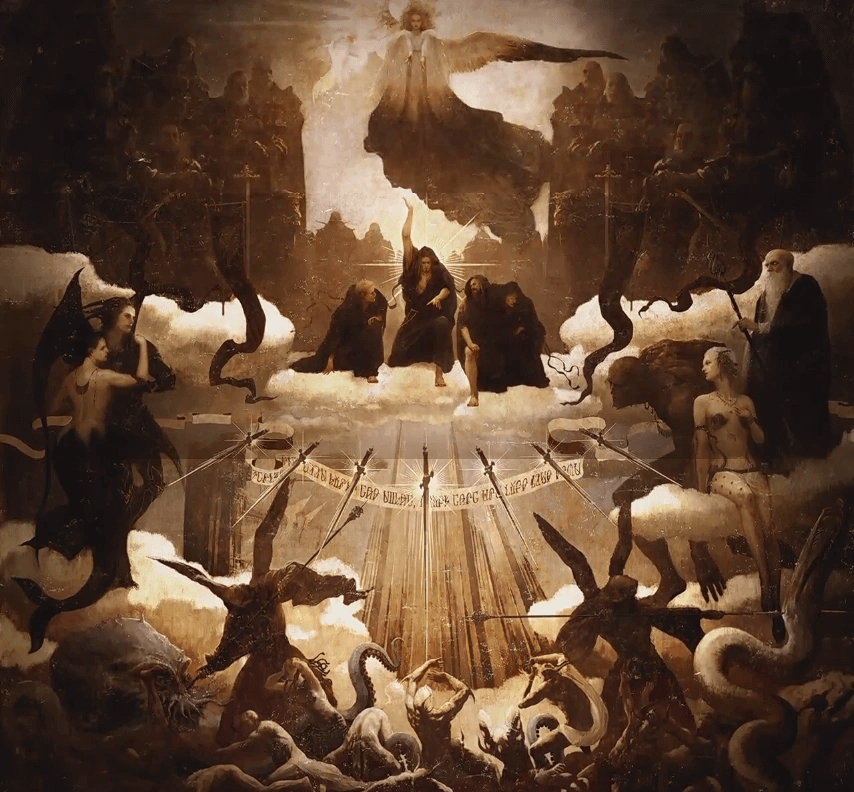
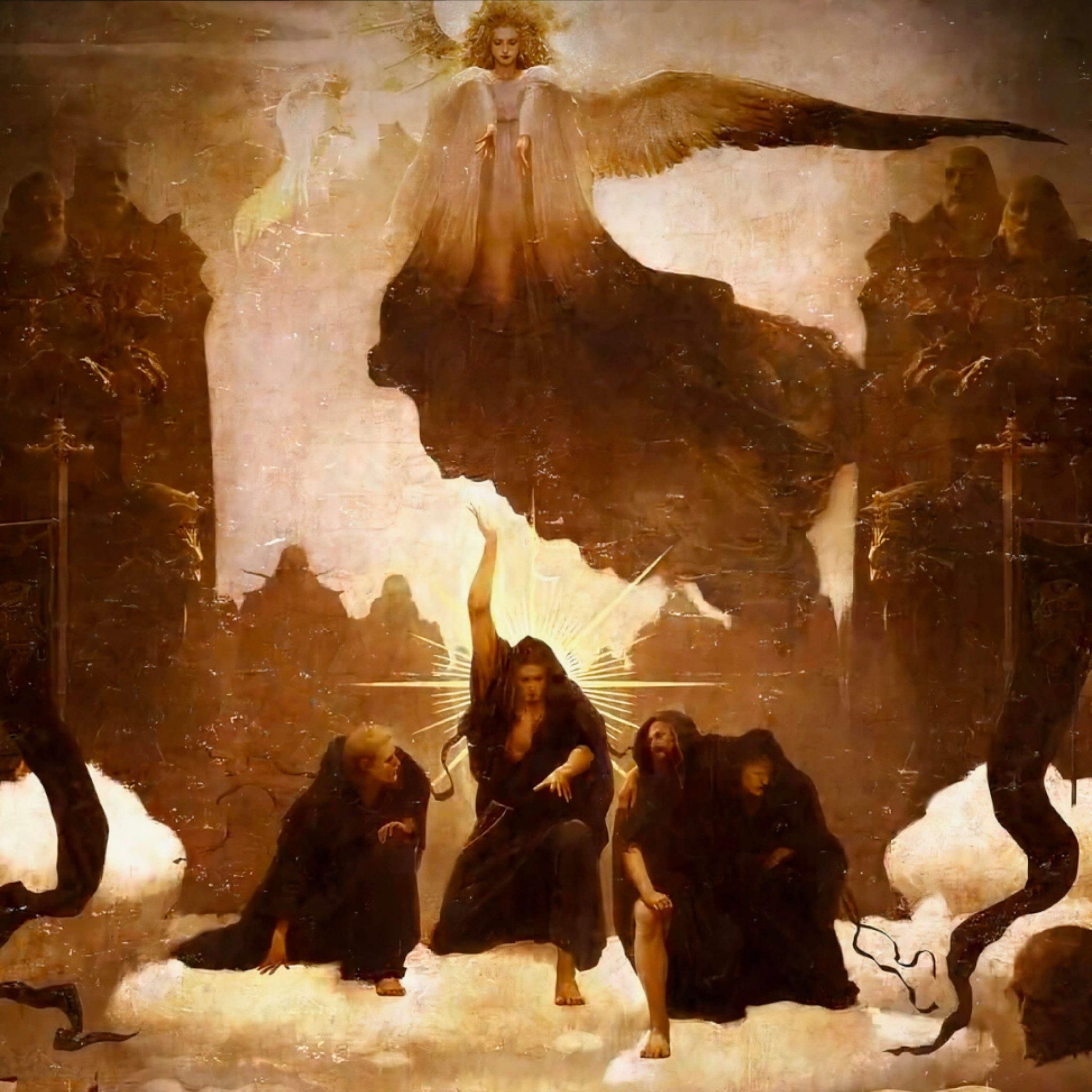
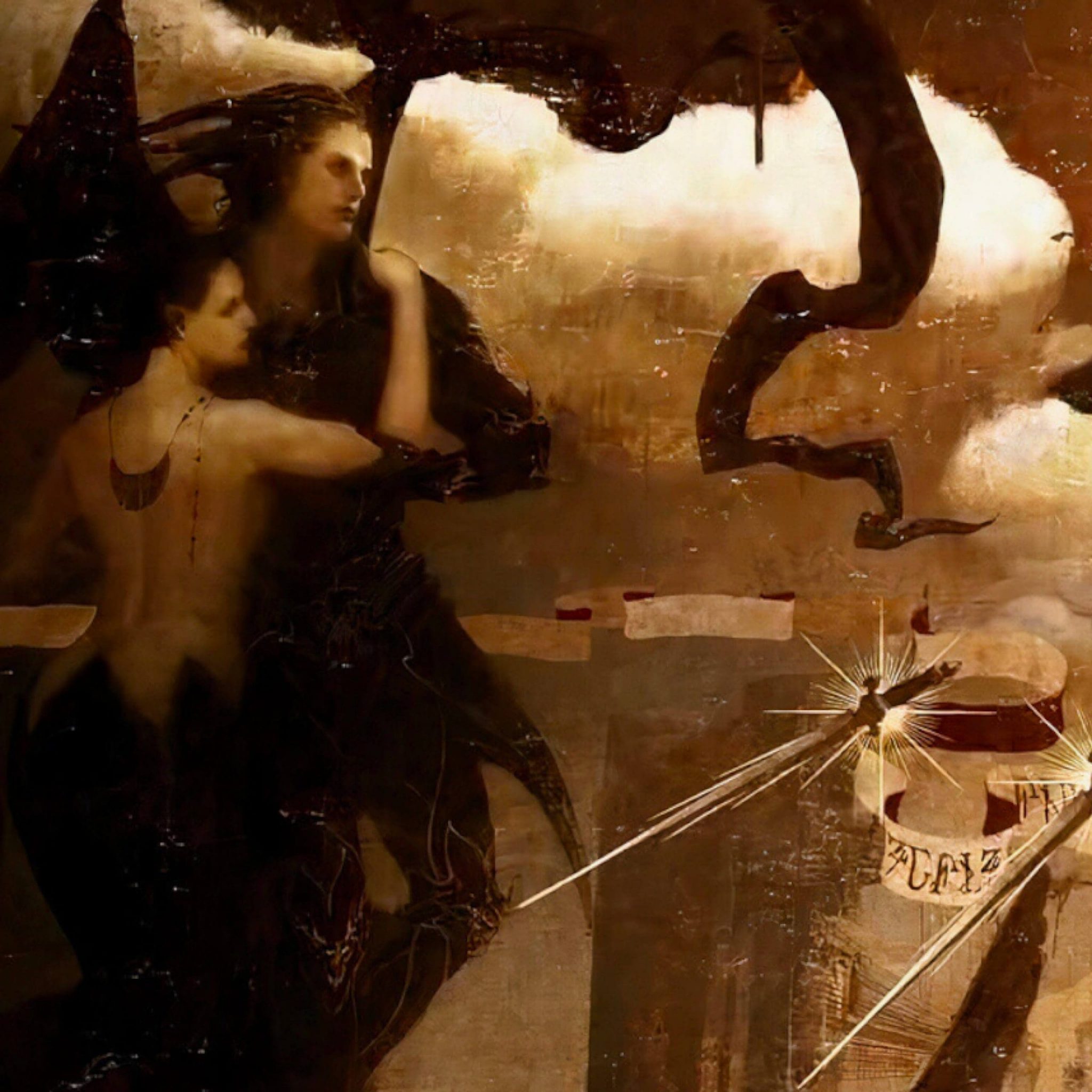
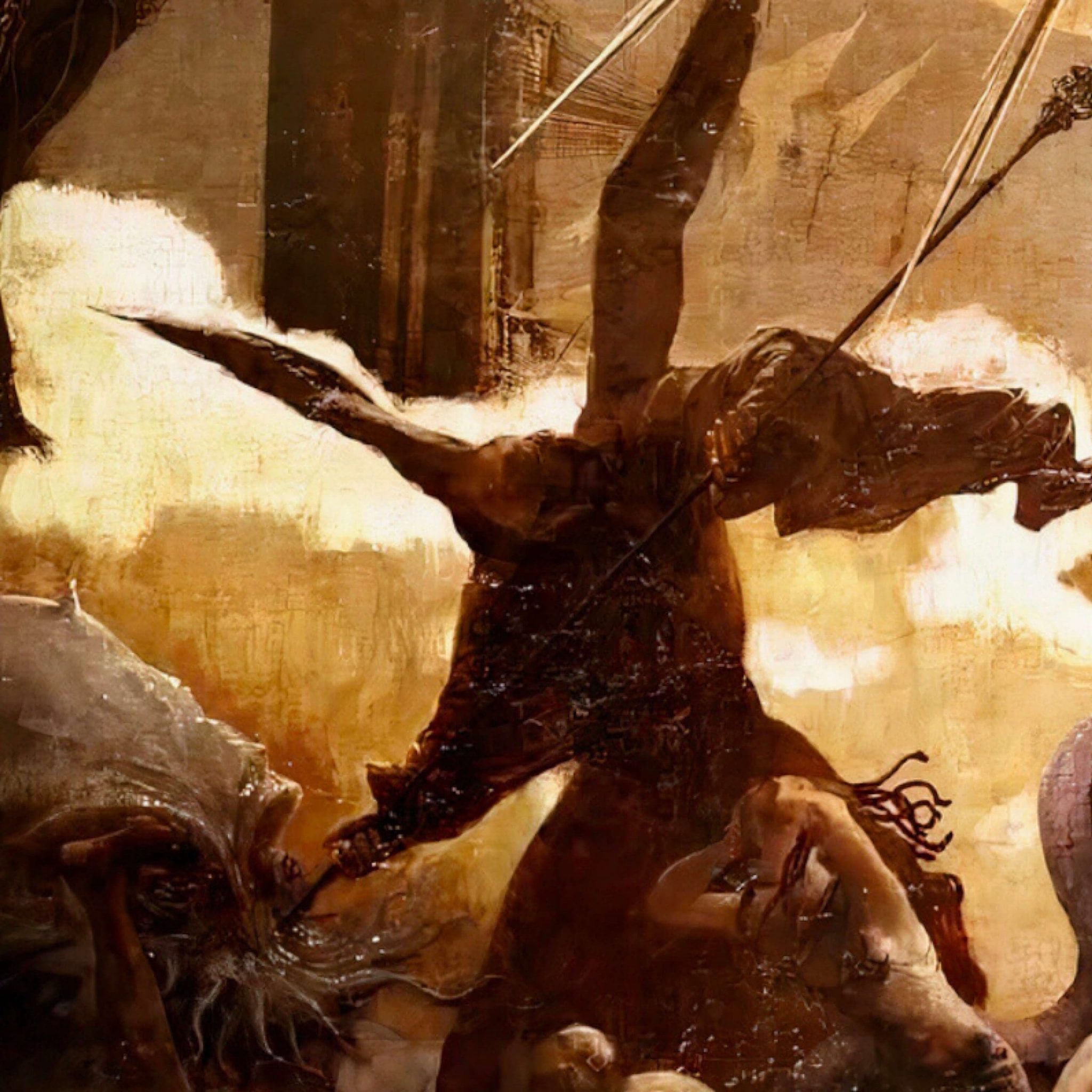
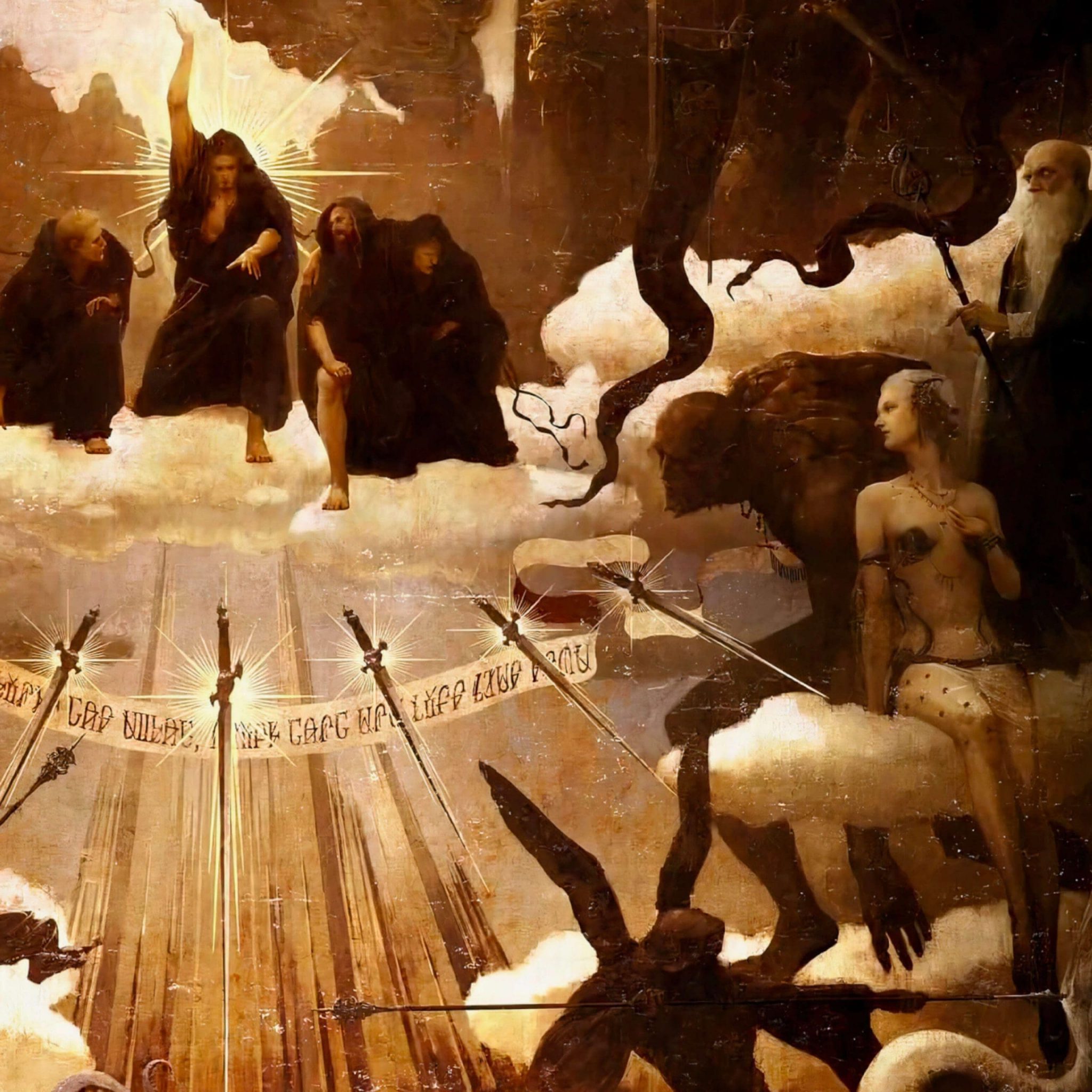
Final Fantasy XV, released by Square Enix in 2016, represented one of the most ambitious productions in the history of video game art direction. A decade in development, it brought together a team of artists, composers, and designers whose collective brief was to create a world that felt simultaneously familiar and mythological: a version of contemporary Japan transformed by crystal-powered technology, ancient supernatural forces, and the visual grammar of high fantasy. The game’s art direction drew on sources ranging from European oil painting to Japanese manga, from the landscape photography of Ansel Adams to the architectural photography of Julius Shulman — a synthesis that produced visual environments of extraordinary richness and a character design language that could function both as interactive entertainment and as standalone image. “Mythos” is a title that names this dimension of Final Fantasy XV directly: the game as myth-making enterprise, its world not simply a setting for gameplay but a cosmological proposition about gods, fate, and the weight of history.
Digital Art as Collectible Object
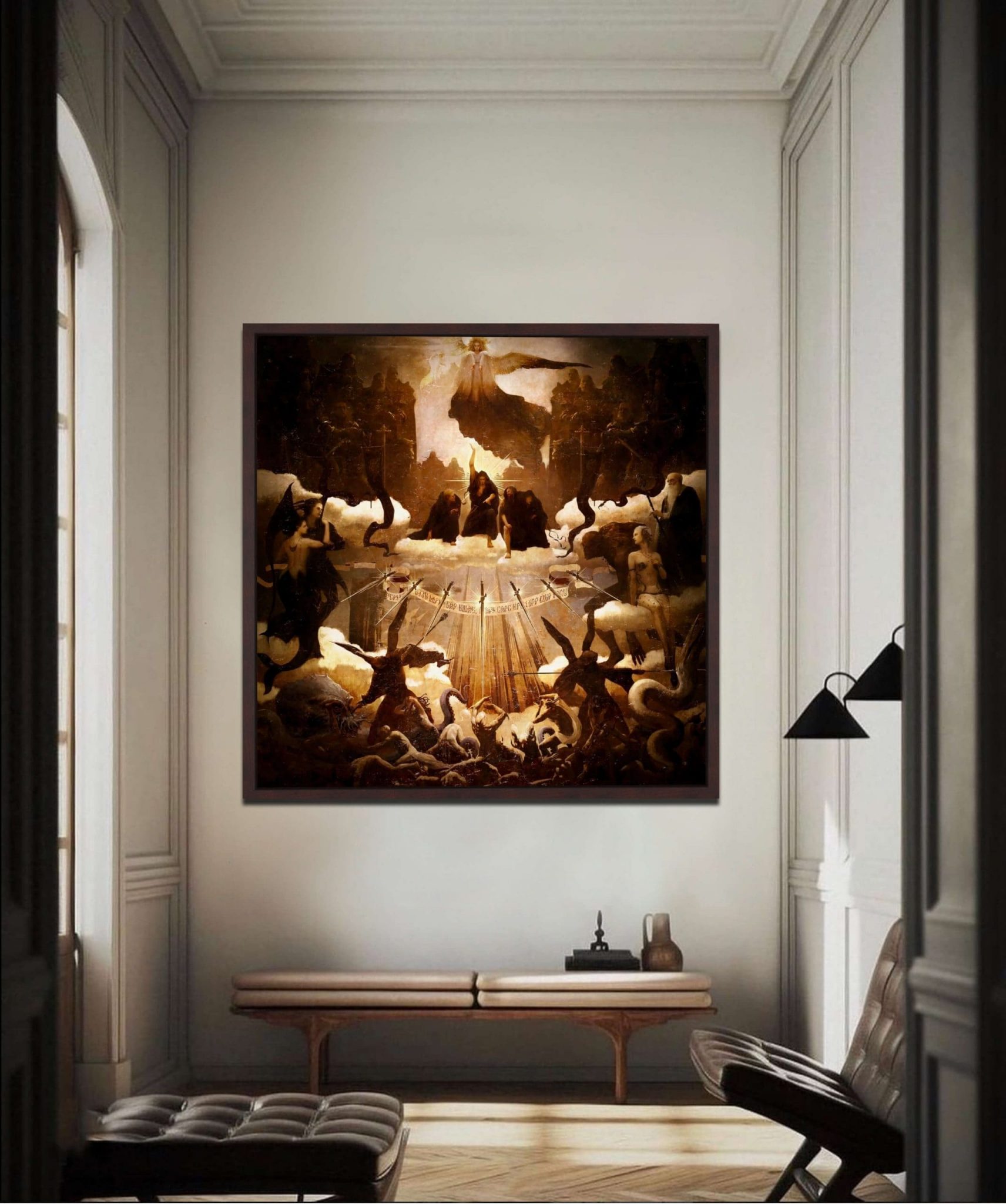
The emergence of digital art as a collectible medium has accelerated dramatically in the 21st century, driven by advances in archival printing technology, the development of authenticated edition frameworks, and a growing recognition that images originating in digital environments carry aesthetic qualities that are not diminished but in some cases enhanced by their native medium. A digital art edition produced on glass — rather than paper or canvas — takes advantage of the substrate’s transmissive properties: light passes through the glass itself, giving the colours a luminosity and depth that pigments applied to an opaque surface cannot achieve. At 53 × 46.5 centimetres, “Mythos” occupies a scale suited to domestic display: large enough to function as a genuine wall presence, compact enough to be moved and reframed without the logistical complications of larger works.
Gaming Art and the Collector
Video game art occupies an increasingly serious position in the art market and the collecting world. The visual cultures produced by major game franchises — Final Fantasy, Metal Gear Solid, The Last of Us, Hideo Kojima’s work across multiple titles — have been recognised by institutions including the Museum of Modern Art (which acquired game software for its permanent collection in 2013) as significant contributions to the history of visual and interactive art. Collectors who have followed this trajectory have found that limited edition art objects from major gaming franchises combine cultural resonance with scarcity and the specific formal qualities of a medium — interactive, cinematic, immersive — that has produced some of the most ambitious image-making of the early 21st century. “Mythos” belongs to this category: a work that carries the visual intelligence of Final Fantasy XV’s art department into the space of the domestic collection, where it continues to ask its questions about myth, beauty, and the worlds we build to inhabit.








 No products in the cart.