

The Mace in European Warfare: Symbol and Instrument
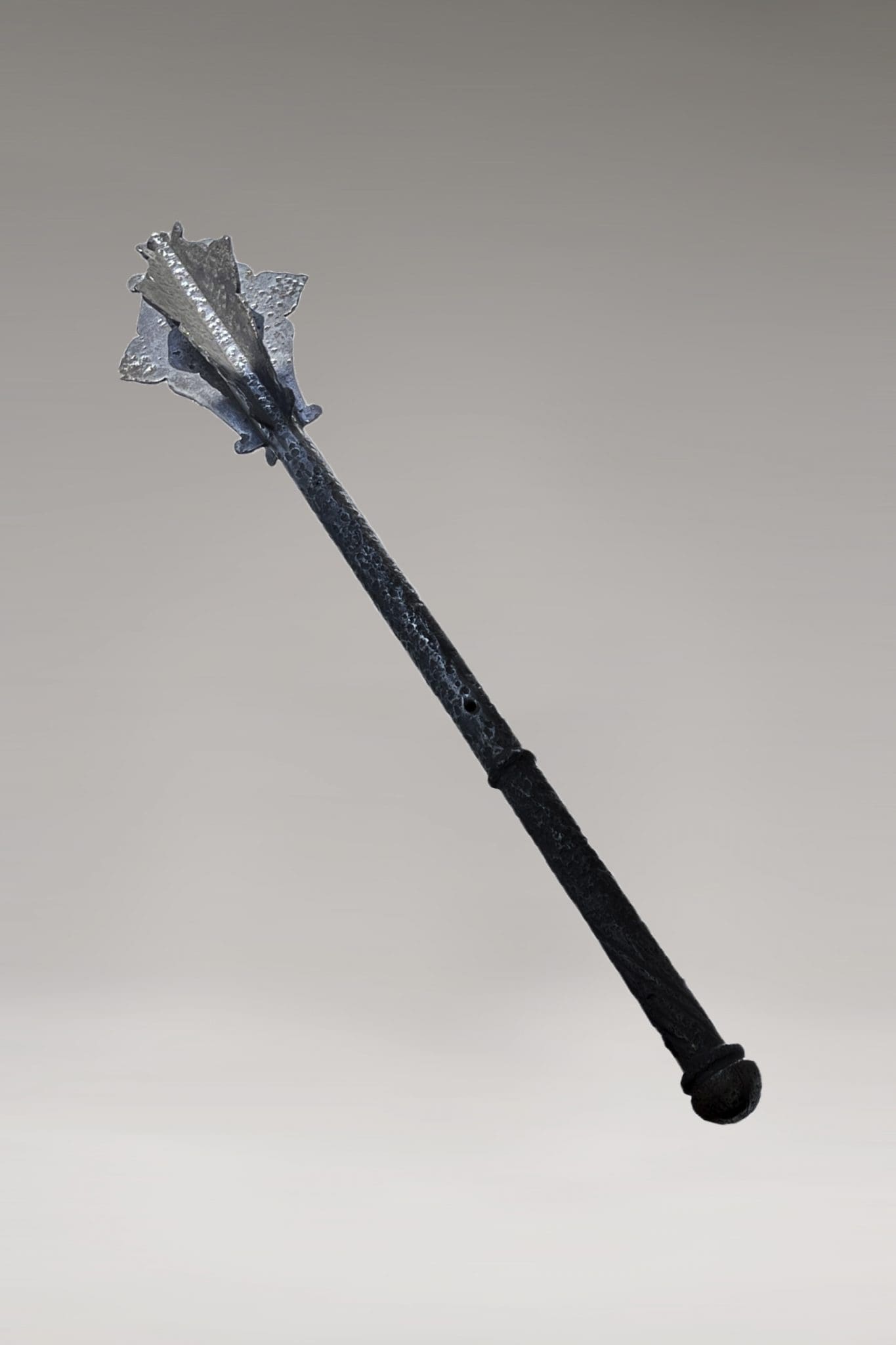
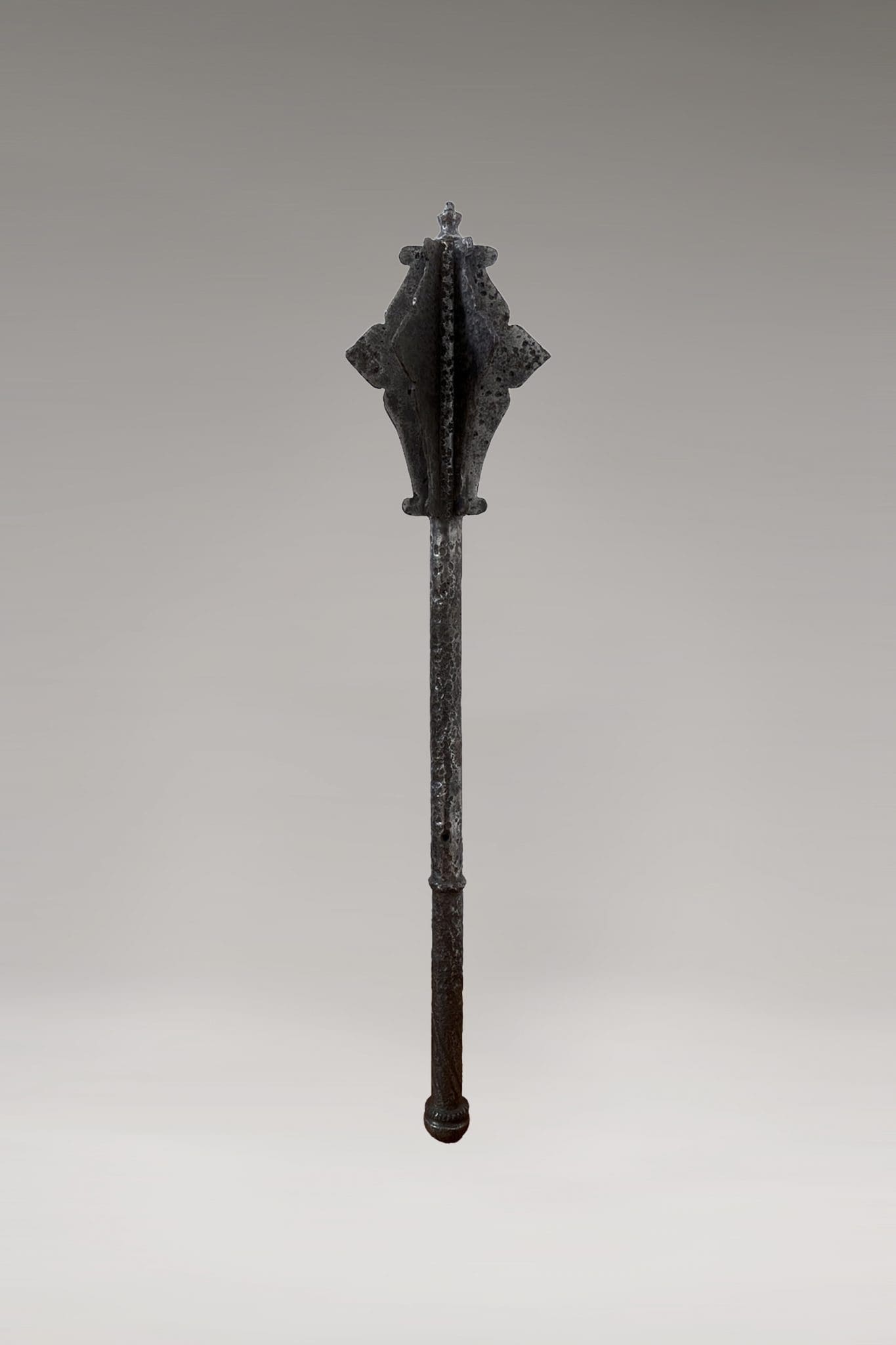
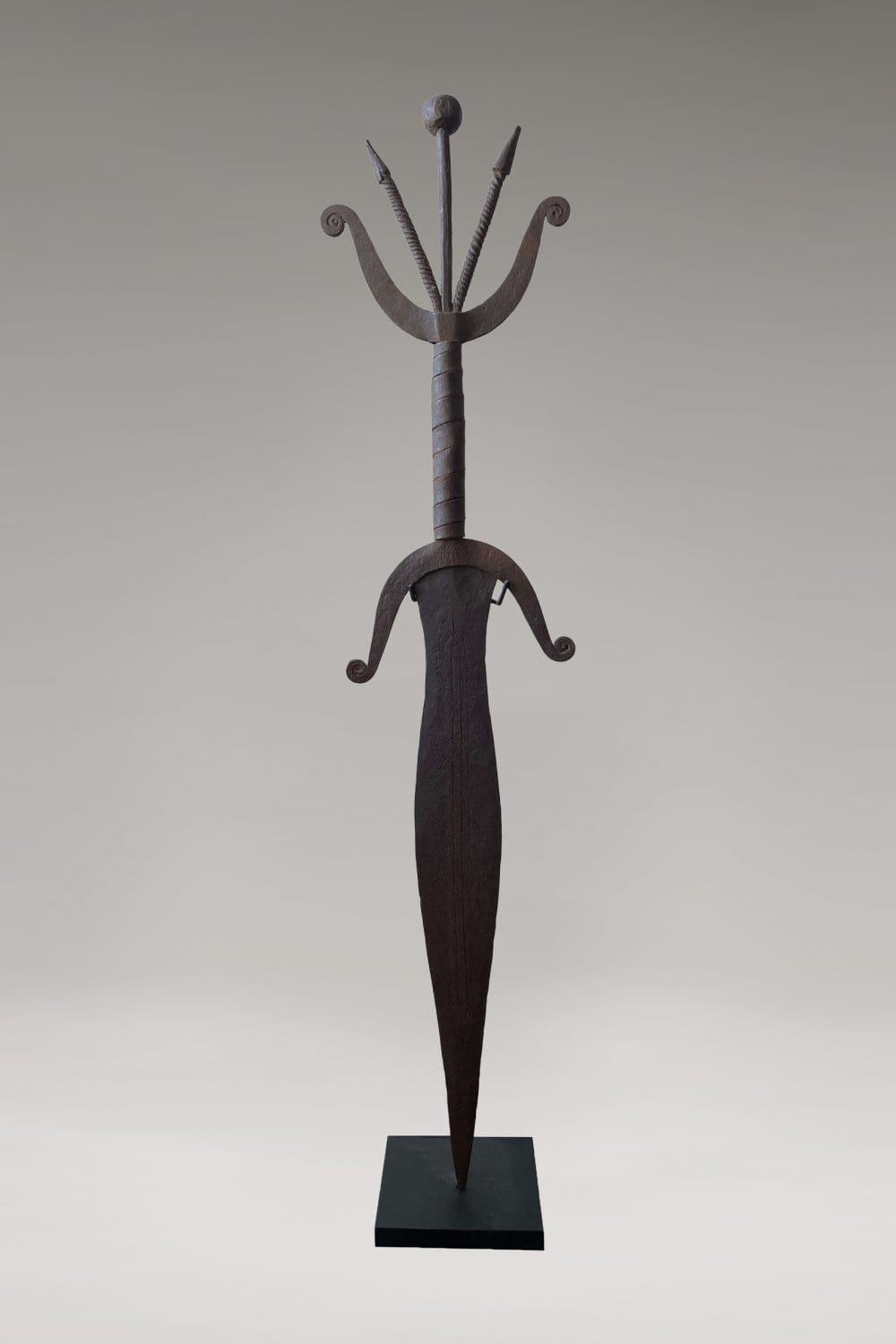
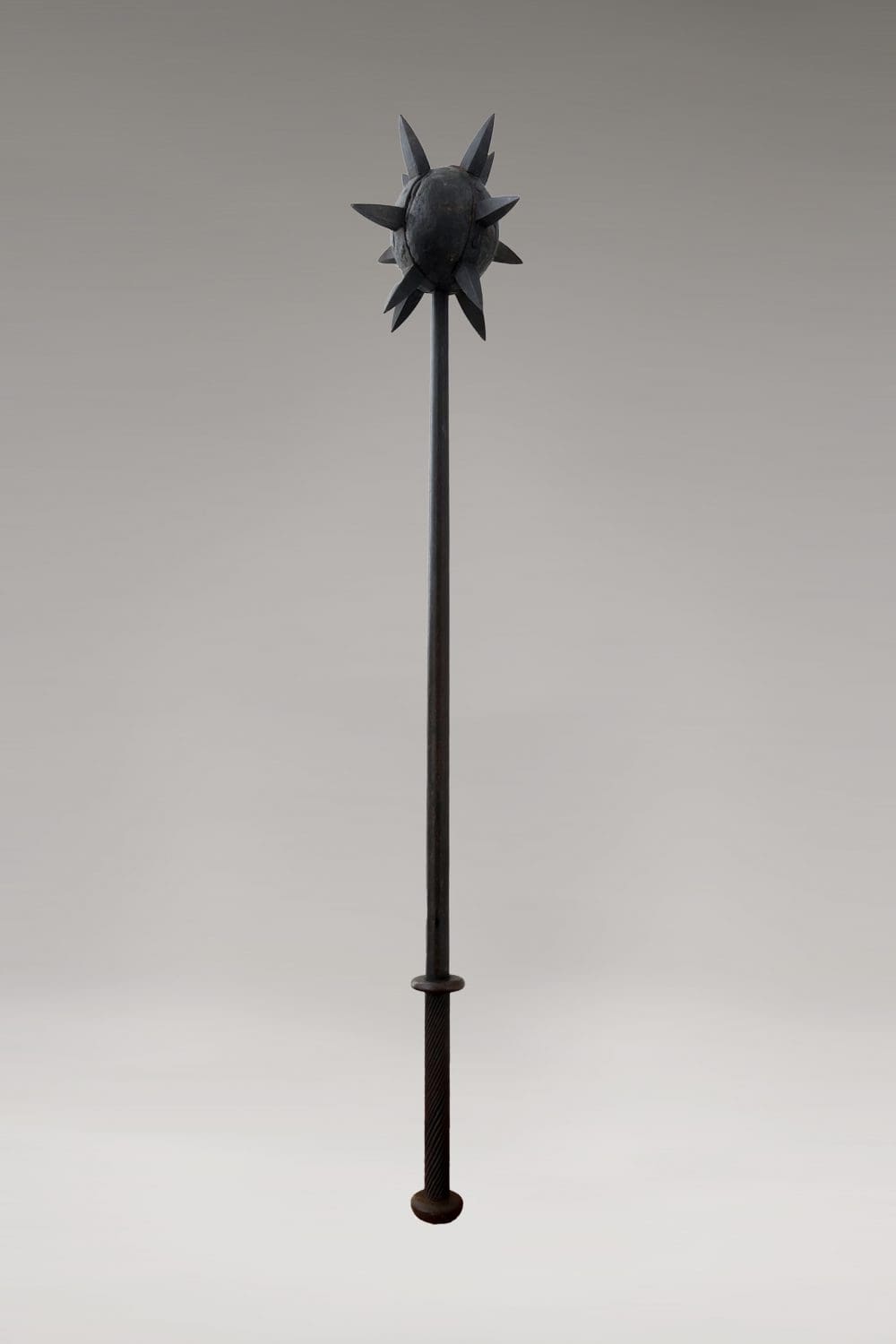
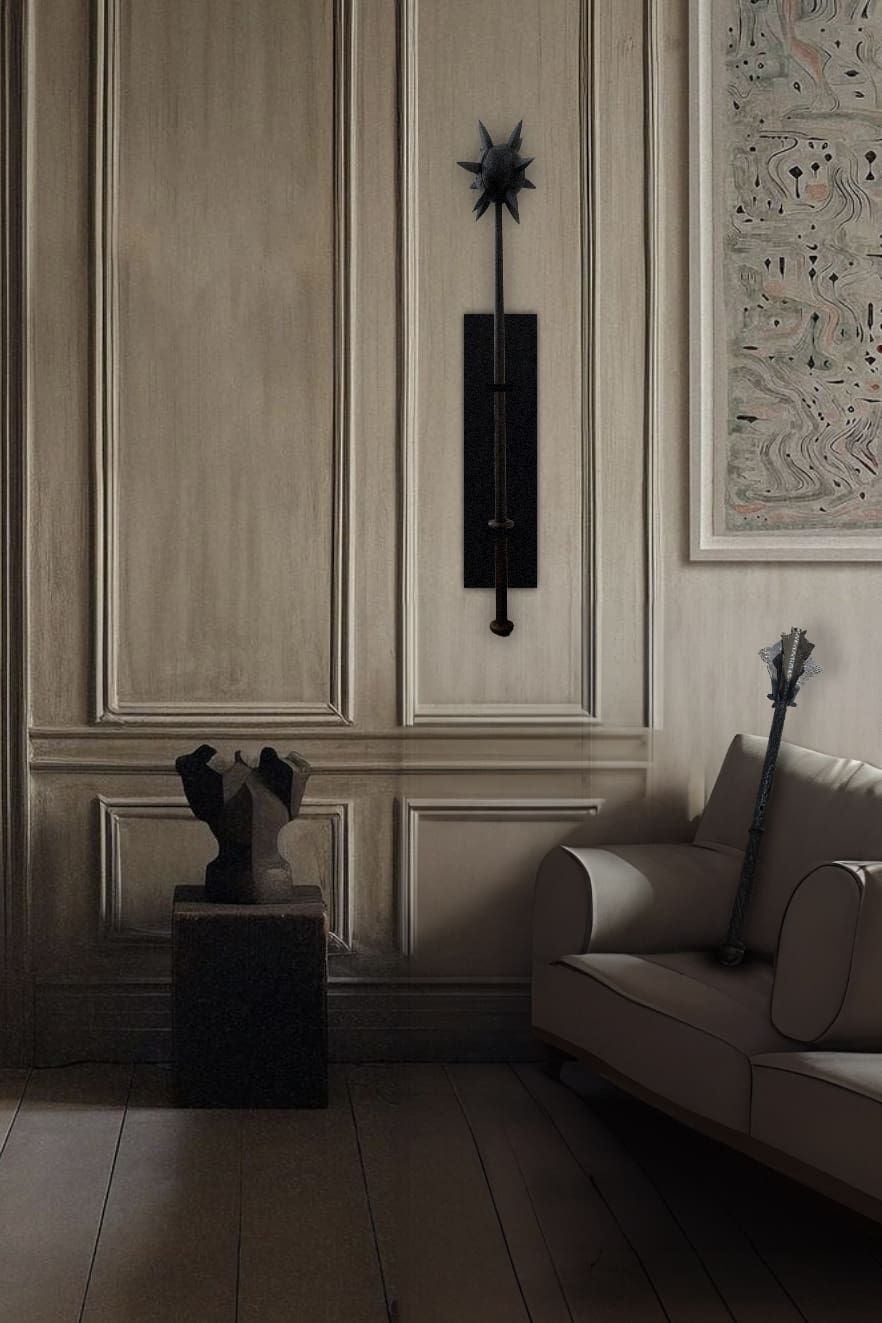
The mace is among the oldest weapons in human history — a heavy striking implement with origins in the Stone Age club — and yet its European development in the medieval and Renaissance periods transformed it into something considerably more sophisticated than its origins suggest. By the 16th century, the mace had evolved into a specialist weapon designed to address a specific military challenge: the heavily armoured knight or man-at-arms whose plate armour could deflect the thrust of a sword or the slash of a blade, but who remained vulnerable to the concentrated impact of a well-delivered blow from a heavy striking head. The flanged or piston mace — its head fitted with projecting ridges or rods that focused impact onto a small contact area, dramatically increasing the pressure delivered to the armour beneath — was one of the most effective anti-armour weapons of its era. At 73 centimetres in length, this example is a weapon requiring both strength and skill: long enough for mounted use, heavy enough to deliver decisive blows, and forged with the quality of iron-working that distinguished European military smiths of the Renaissance period.
Forged Iron and the Armourer’s Art
The production of military ironwork in 16th-century Europe was concentrated in a small number of specialist centres — Milan, Augsburg, Greenwich, Toledo, and Nuremberg among the most celebrated — where armourers and smiths had developed techniques of iron-working that combined functional effectiveness with aesthetic refinement. A mace produced by a quality smith was not merely a weapon but a demonstration of technical mastery: the forging of the head and haft in iron, the fitting of the projecting elements, and the finishing of the surface all required expertise that commanded premium prices and generated objects of recognised artistic as well as martial merit. The 16th century was also the great age of the tournament and the ceremonial procession, occasions on which military equipment appeared not in combat but in display — and where the quality of a weapon’s workmanship was as visible and as significant as its functional capabilities. A mace that served both battlefield and ceremony required its maker to satisfy demanding standards on both counts.
Arms as Historical Document
Military objects from the 16th century occupy a distinctive position in the collecting world: they are simultaneously functional artefacts (designed to specific technical specifications for specific purposes), aesthetic objects (produced by craftsmen who brought considerable skill and sometimes ambition to their work), and historical documents (bearing in their form and materials the evidence of the specific military and social context that produced them). The 16th century in Europe was a period of continuous and technologically rapid military development: the widespread adoption of firearms was transforming the battlefield even as the older traditions of armour and edged weapons continued, producing a moment of extraordinary formal elaboration in arms production. A mace from this period carries all of this complexity: it is a weapon from the hinge between the medieval and the modern, from the last decades when a well-forged iron striking implement could determine the outcome of a confrontation between armoured men.






 No products in the cart.