

Joaquim Sunyer and Catalan Noucentisme
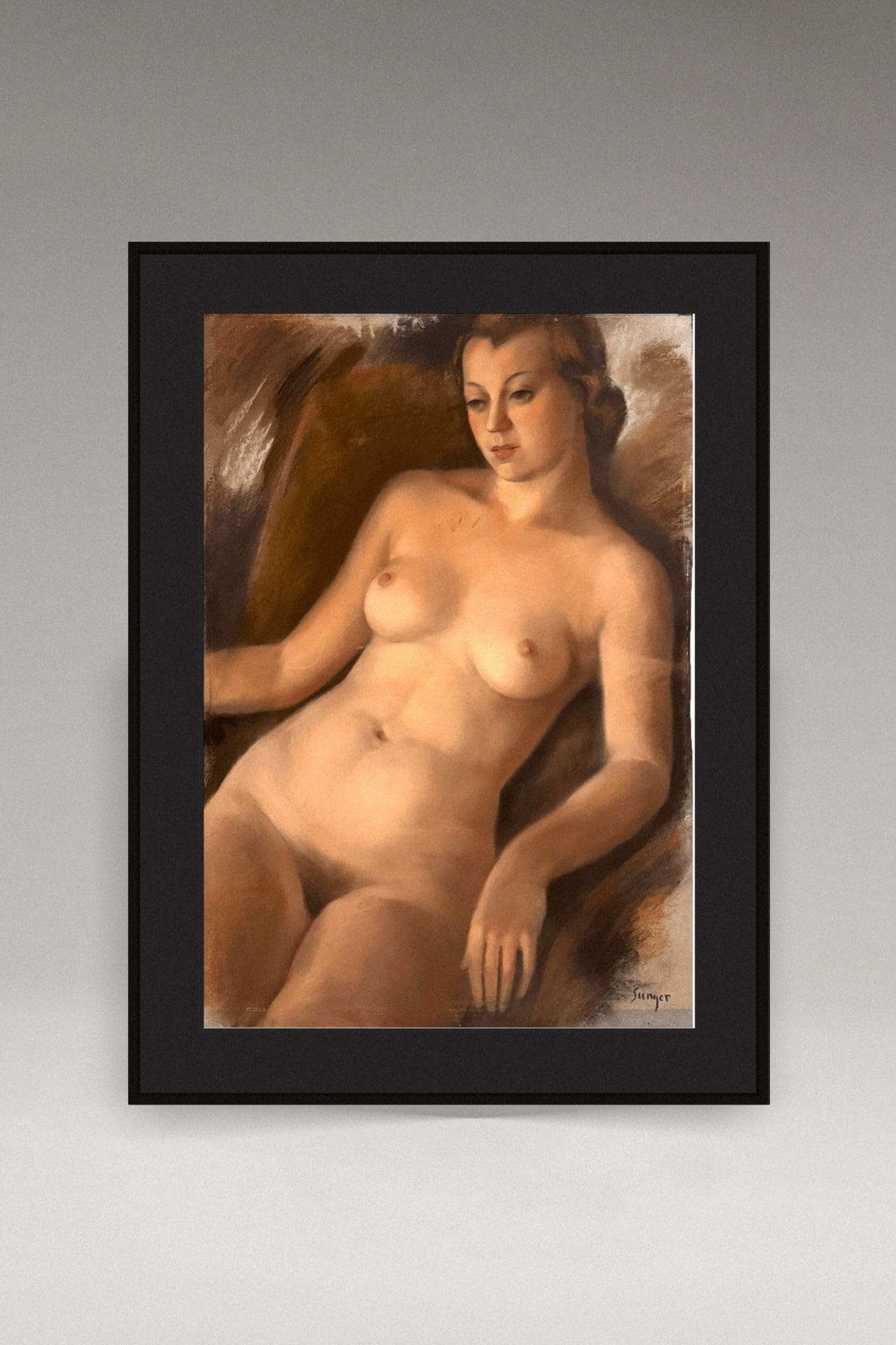
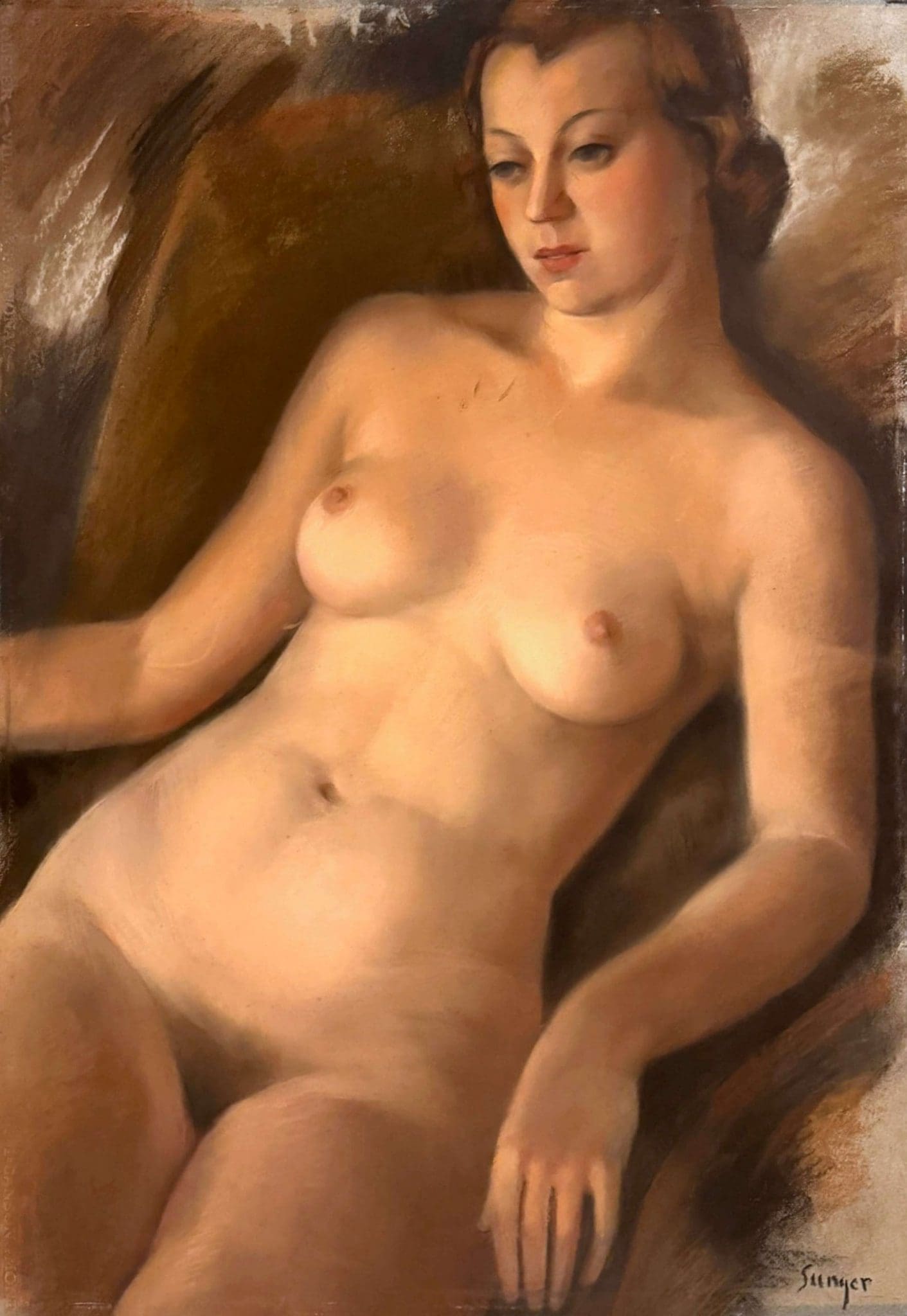
Joaquim Sunyer i de Miró (1874–1956) stands as one of the defining figures of Catalan visual culture in the first half of the twentieth century, his work representing the clearest and most sustained realisation of the Noucentisme aesthetic that sought to redirect Catalan art from the decorative excesses of Modernisme toward a classical ideal rooted in Mediterranean light, formal clarity, and the enduring models of the Italian Renaissance and ancient Greece. Born in Sitges and trained in Paris — where he absorbed the lessons of Cézanne, Gauguin, and the post-Impressionist generation — Sunyer returned to Catalonia around 1911 with a formed vision that combined French painterly intelligence with an intensely local feeling for landscape, light, and the human figure. His representations of the nude, executed across a long career in oil, watercolour, and pastel, are among the most sustained meditations on the female form in Spanish twentieth-century art: images of monumental repose that recall the classical tradition without quoting it, grounded in observed reality while aspiring to an ideal of timeless Mediterranean beauty.
The Pastel Medium and Sunyer’s Draughtsmanship
Pastel — powdered pigment compressed into sticks and applied directly to paper — was among the most demanding and expressive media available to the twentieth-century draughtsman, capable of effects ranging from the vaporous and impressionistic to the precisely linear and sculptural depending on the pressure and technique of application. Sunyer’s command of pastel reflects his exceptional gifts as a draughtsman: the medium allowed him to capture the soft modulations of skin tone and the fall of light across rounded forms with an immediacy that oil painting could not always match. In “Nude Woman,” the figure is rendered with a combination of directness and refinement characteristic of Sunyer at his most assured: the contours placed with confident authority, the interior modelling achieved through subtle gradations of warm and cool tones. The dimensions of the framed work — 63 × 90 centimetres — give it a substantial physical presence, situating it between a finished study and an autonomous composition.
Sunyer’s Market and Collecting Context
Joaquim Sunyer occupies a secure and growing position in the Spanish and international art market, his work represented in the permanent collections of the Museu Nacional d’Art de Catalunya (MNAC) in Barcelona, the Museo Reina Sofía in Madrid, and numerous important private collections throughout Spain and abroad. Works on paper — drawings and pastels — offer collectors an opportunity to engage directly with the intimacy of Sunyer’s creative process, the immediacy of the medium preserving something of the working intelligence behind the finished surface. “Nude Woman,” with its excellent conservation, its clear provenance from a Barcelona private collection, and its autograph signature in the lower right corner, represents a work of unambiguous attribution and significant market standing. For collectors of Catalan art, Spanish modernism, or the broader European figurative tradition, this pastel constitutes an acquisition of both aesthetic quality and historical importance.
 No products in the cart.