

The Iatmul and the Cult of the Ancestor
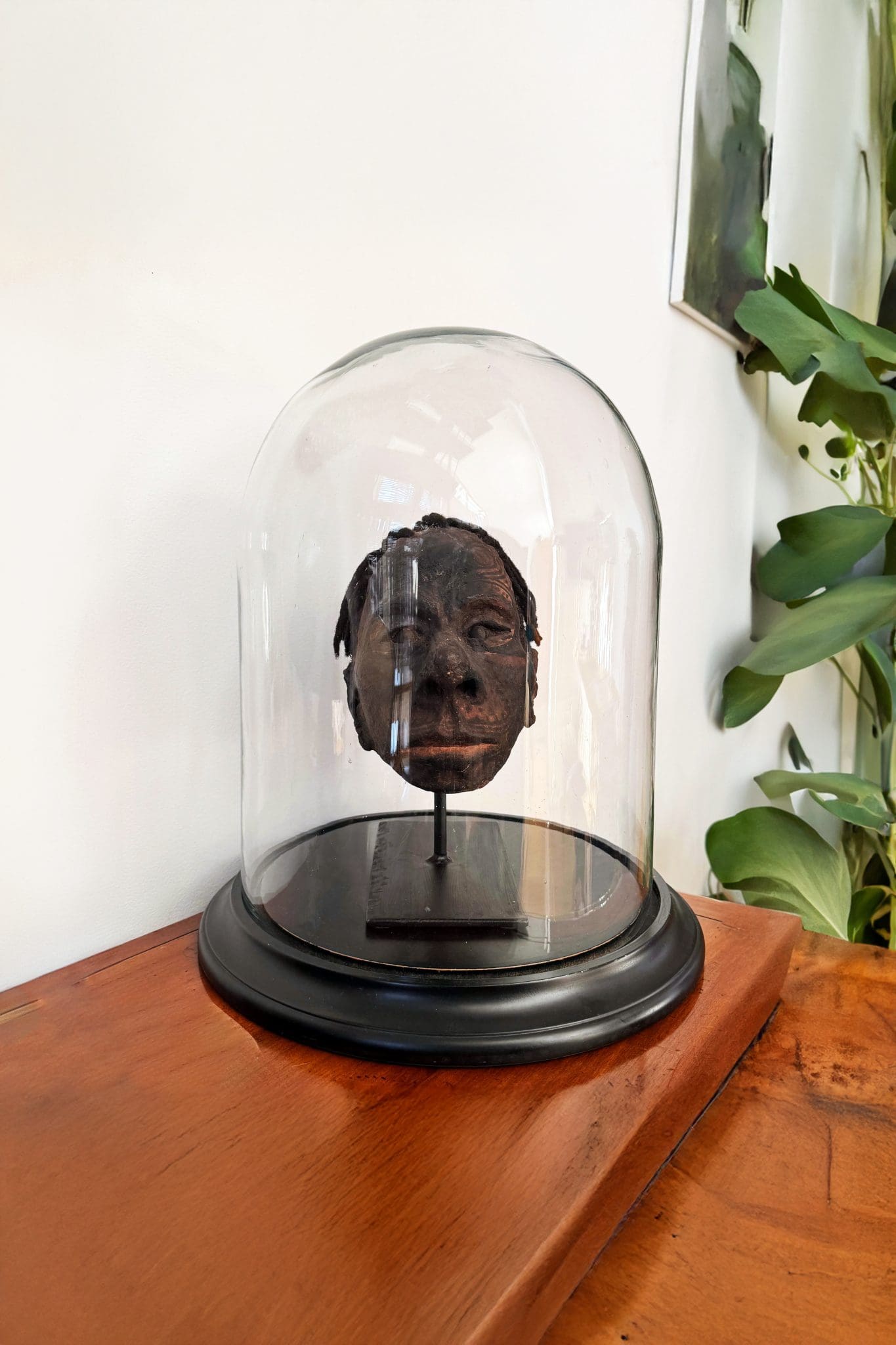
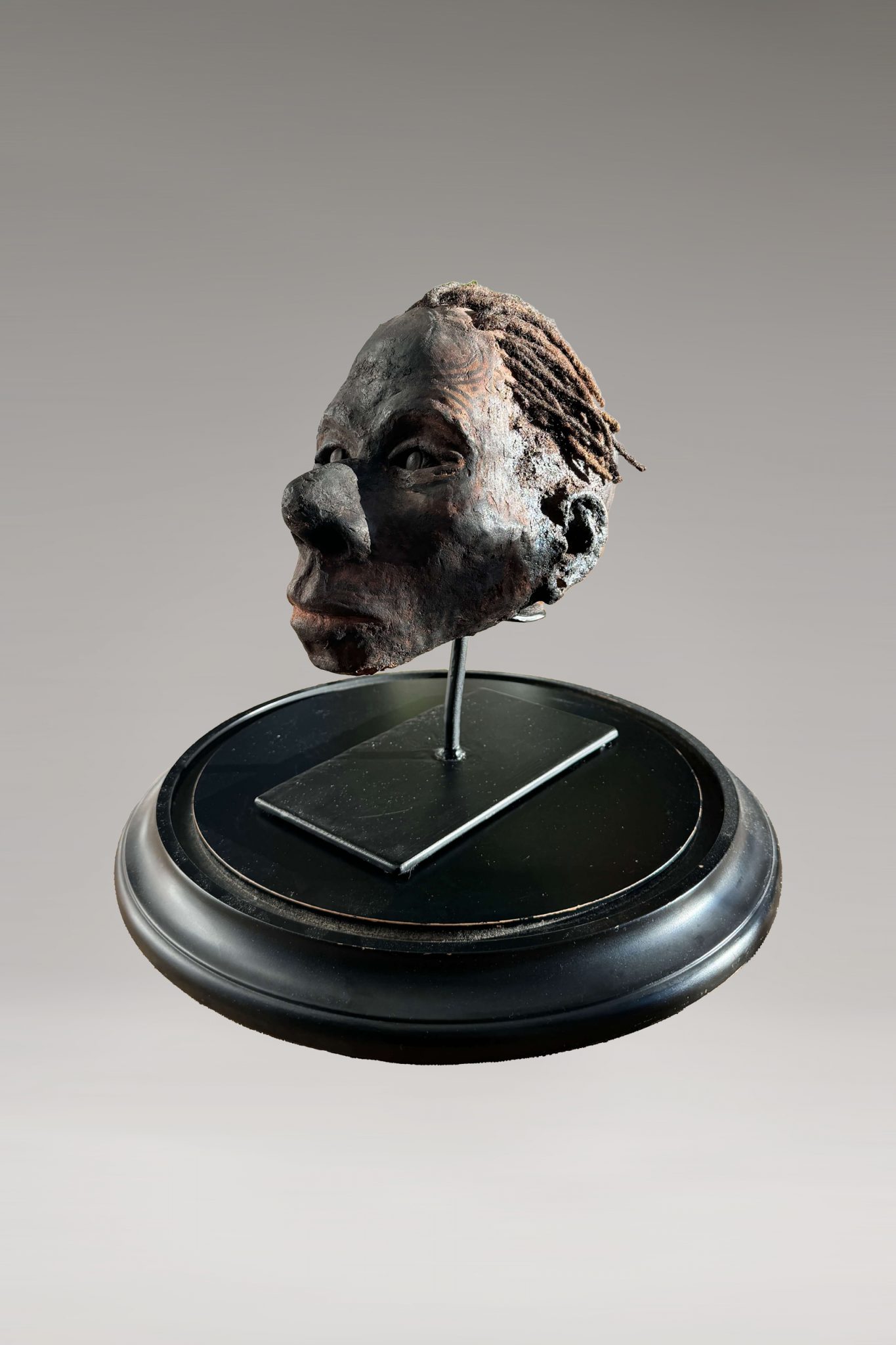
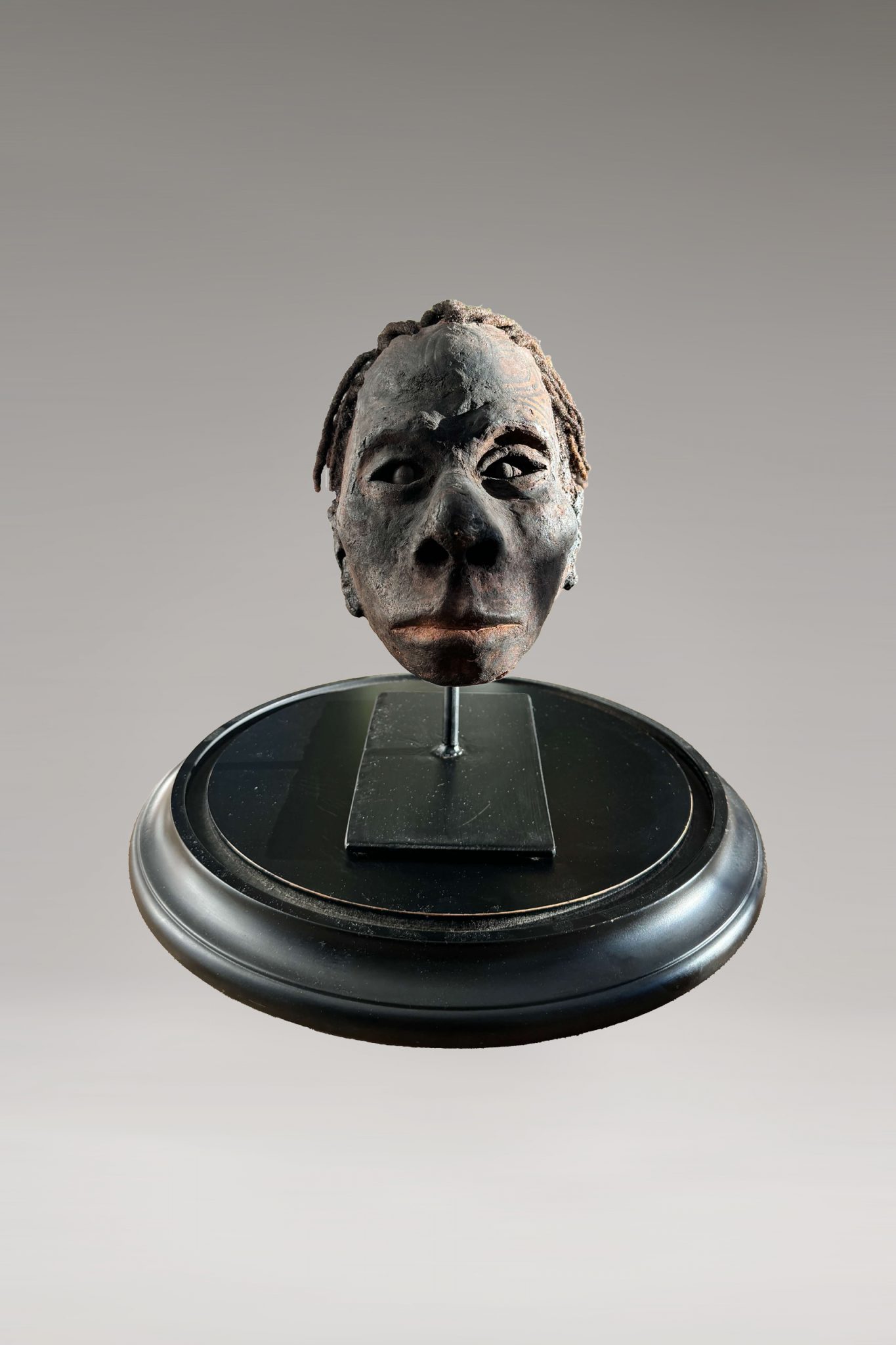
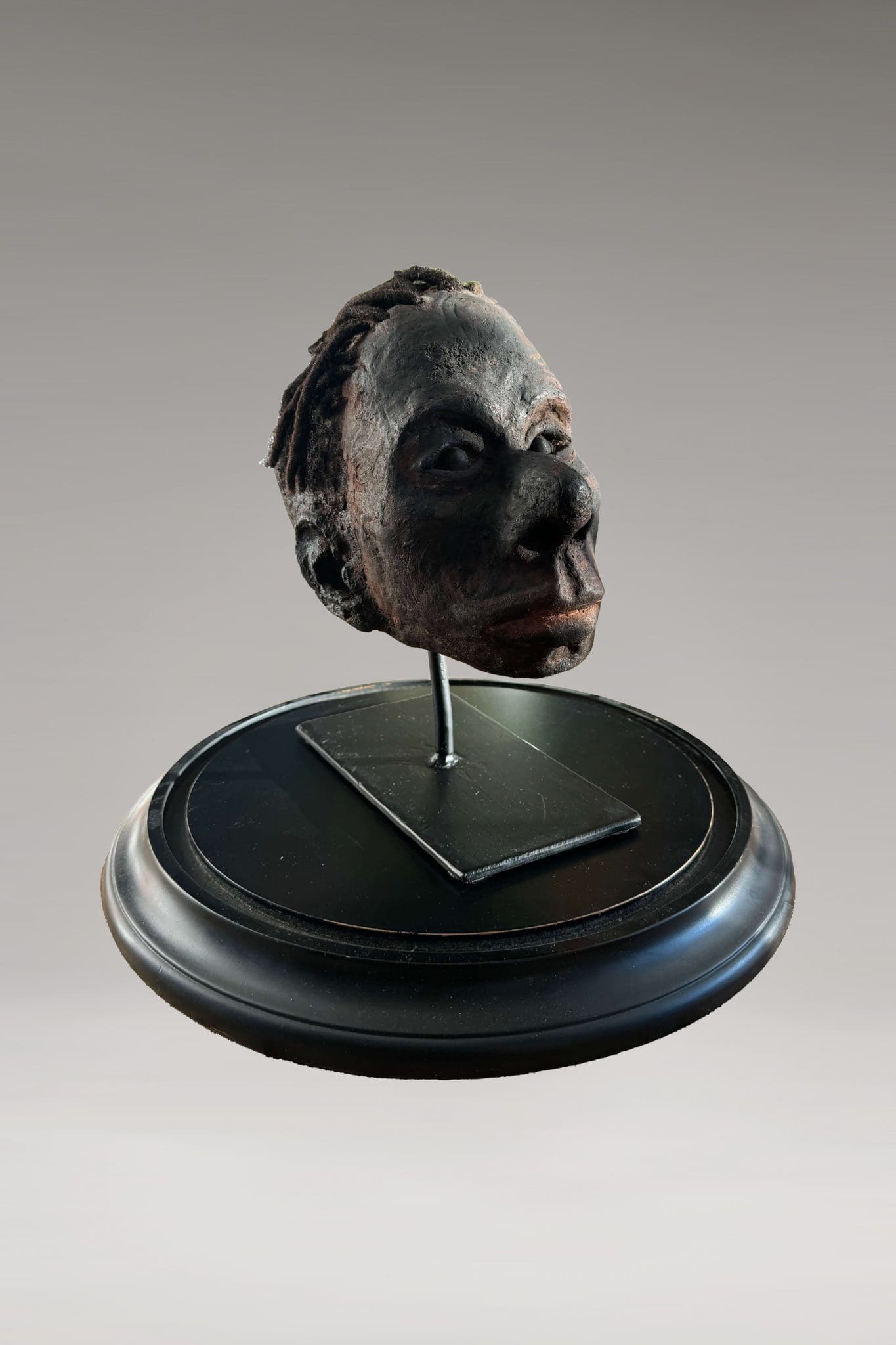
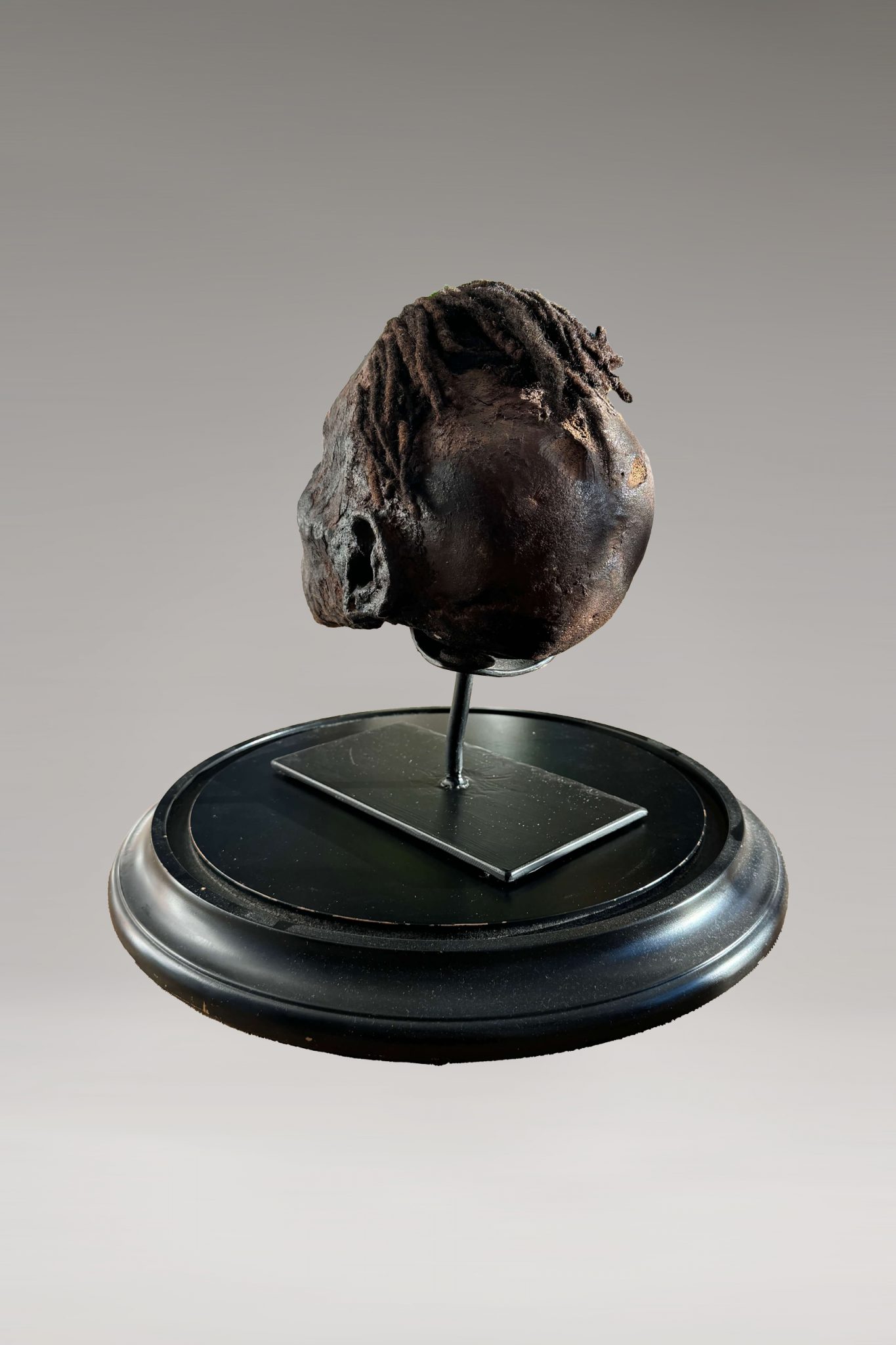
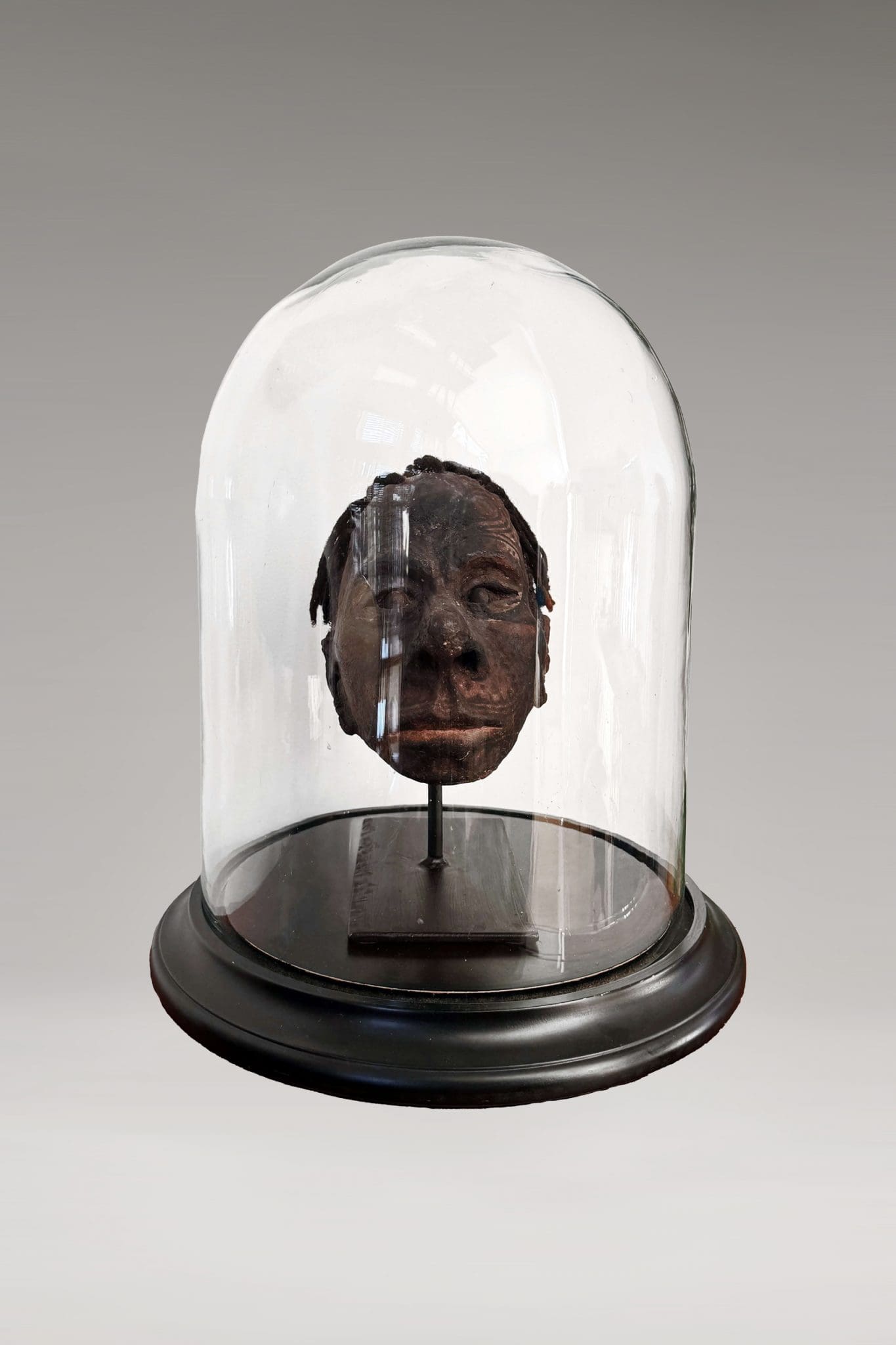
The Iatmul people of the Middle Sepik River basin in Papua New Guinea are among the most extensively documented of all Melanesian societies, their complex ceremonial life and extraordinary artistic production having attracted the attention of anthropologists — most notably Margaret Mead and Gregory Bateson, who conducted foundational fieldwork among them in the 1930s — and art historians since the colonial period. At the centre of Iatmul cosmology and social organisation was an intense engagement with the ancestor: the dead were not merely remembered but actively maintained as presences within the community, consulted through ritual, honoured through ceremony, and physically preserved through the extraordinary practice of skull modelling. The skulls of important men — warriors, ritual leaders, and headhunters whose power and knowledge were considered to survive biological death — were retained by their kin groups, their features rebuilt in clay mixed with pigment and resin, their eye sockets filled with shell to restore the appearance of the living face. These modelled skulls were not relics in the passive Western sense but active agents: stored in the men’s ceremonial house, brought out during initiation rites, and addressed directly in the belief that the ancestor’s spirit remained present within the bone and its clay envelope.
The Craft of Ancestor Modelling
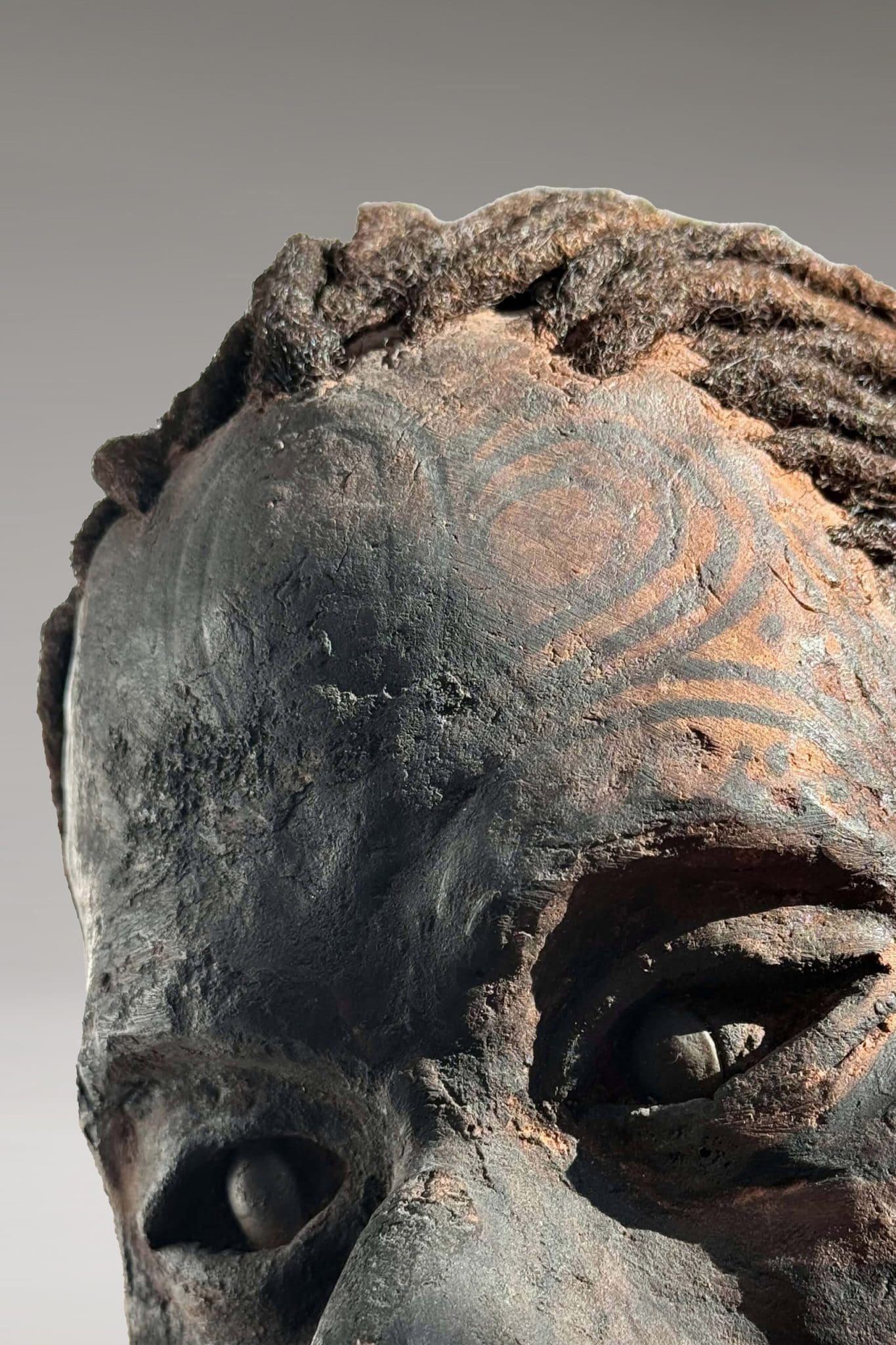
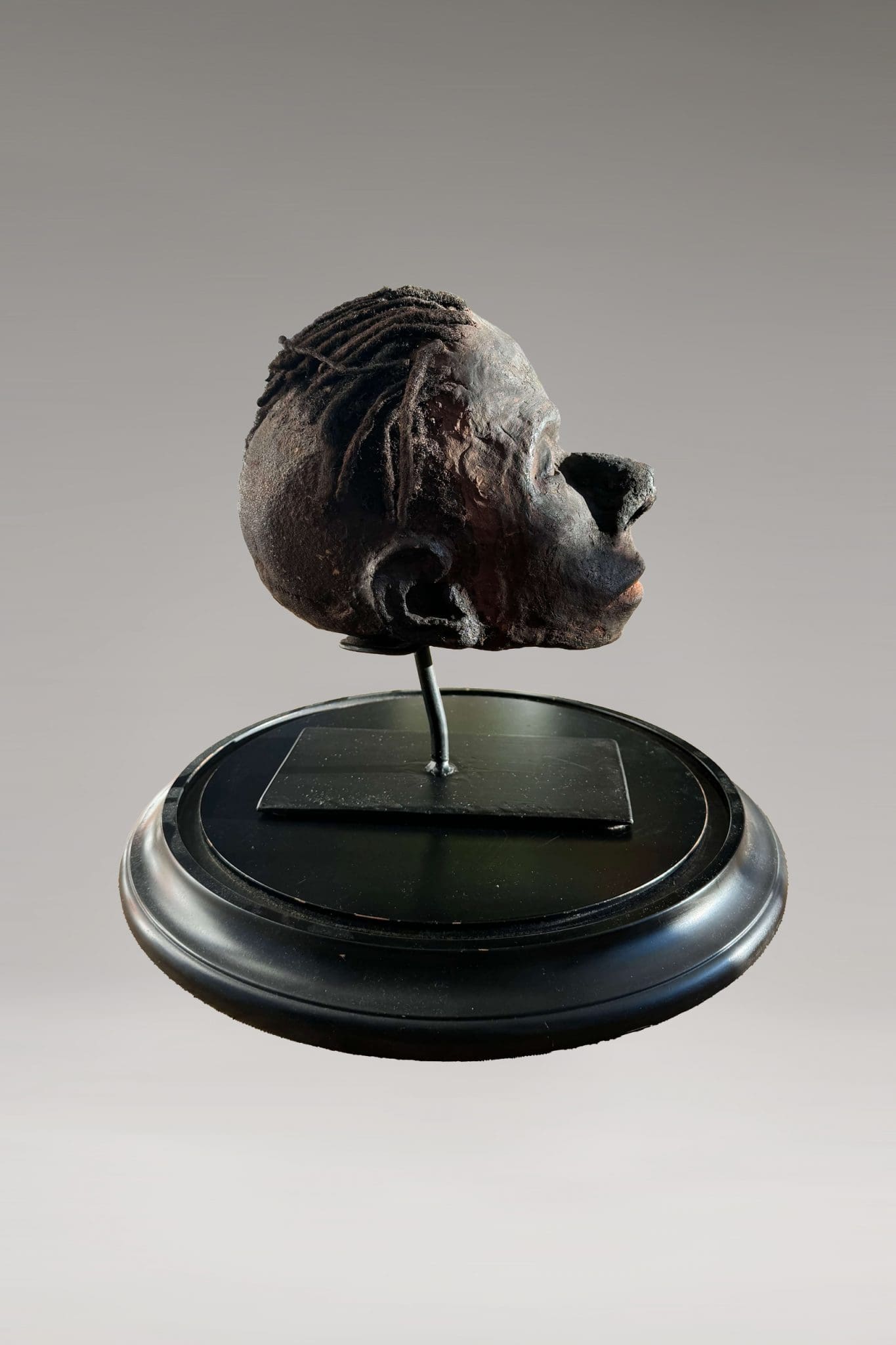
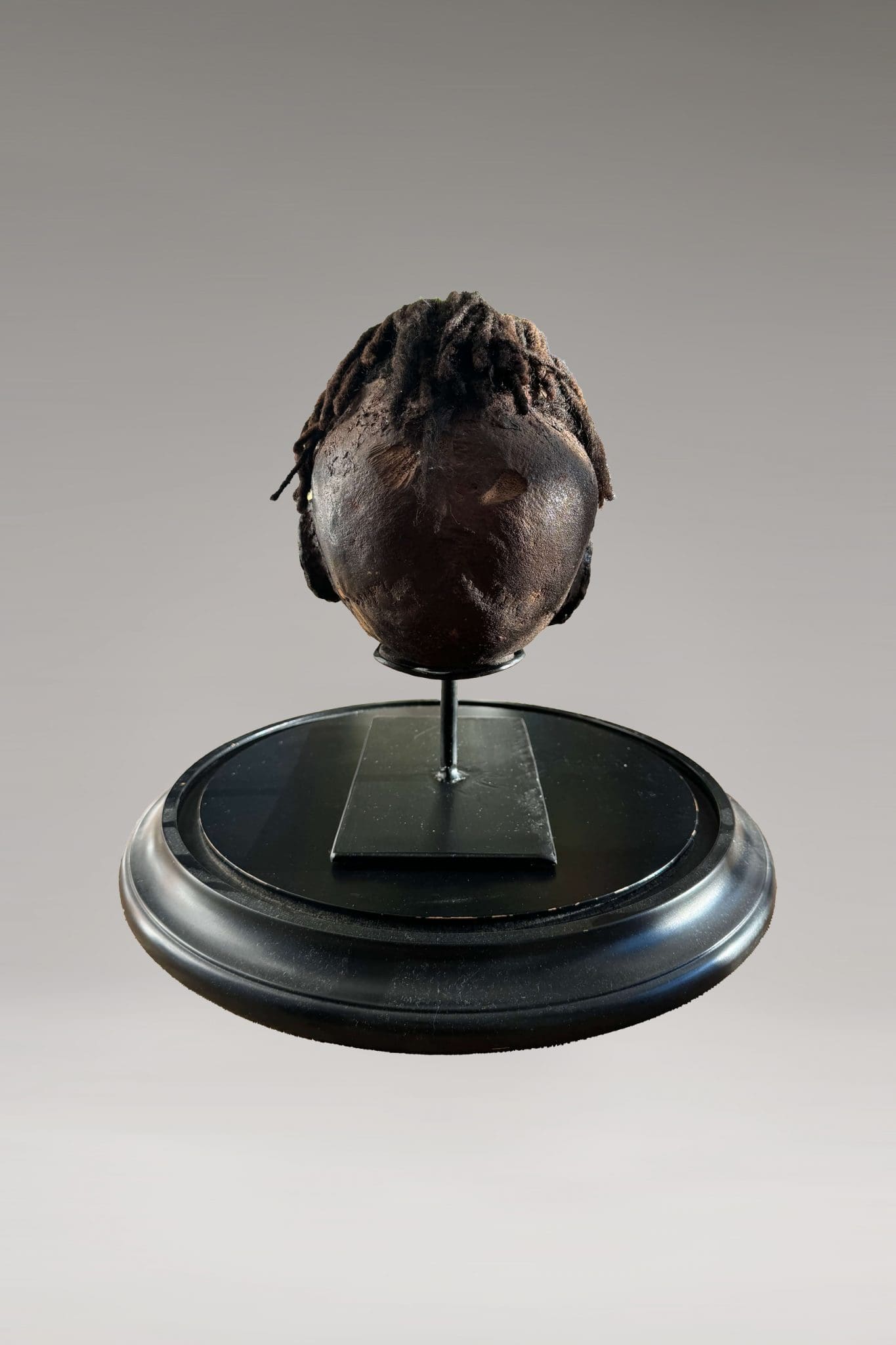
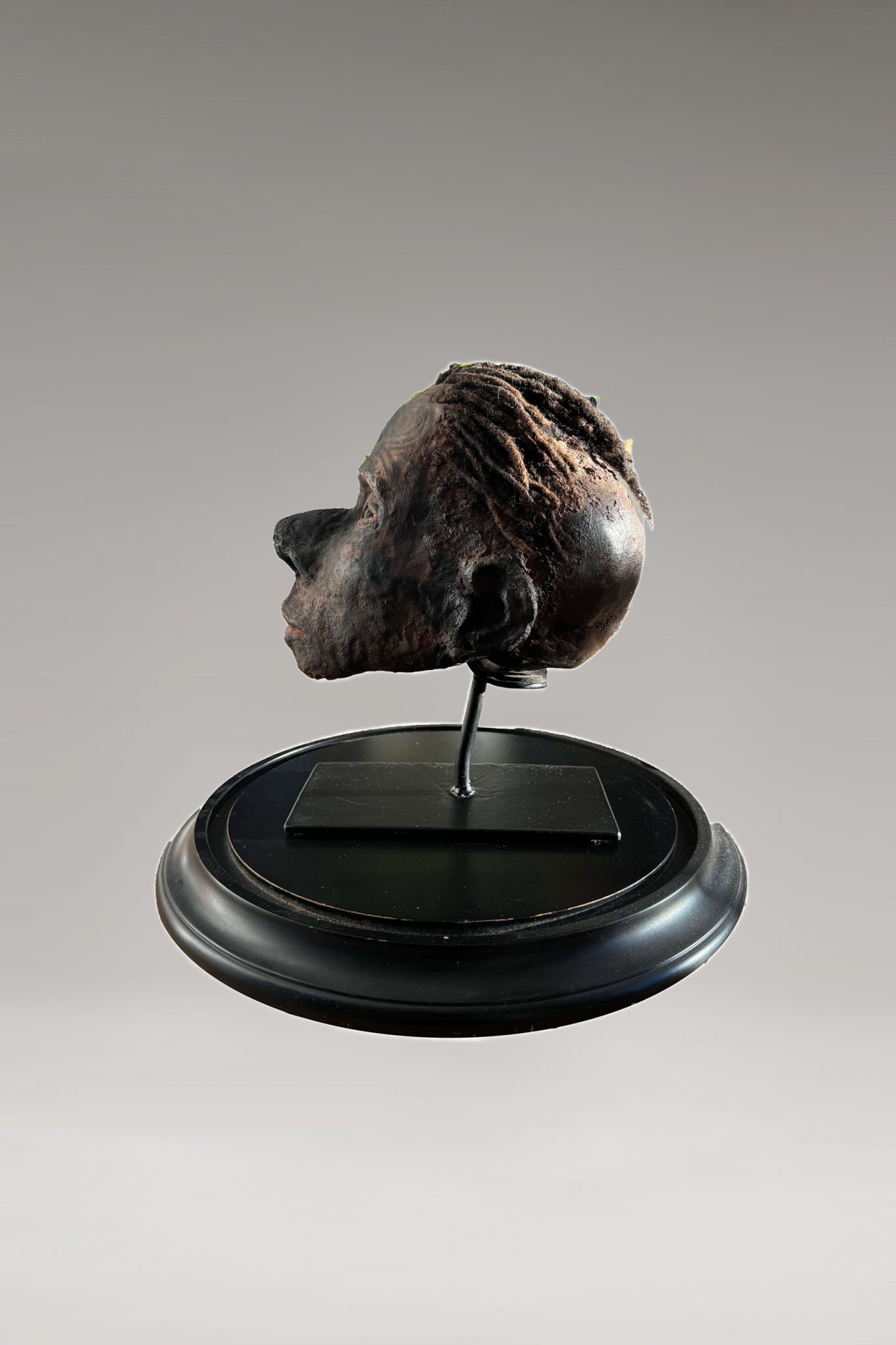
The technical process of Iatmul skull modelling combined anatomical sensitivity with ritual knowledge in ways that place it at the intersection of craft and ceremony. Once the skull had been cleaned and dried, a skilled practitioner — whose expertise was both artistic and sacral — would build up the facial features in clay, working over the orbital ridges, nasal bridge, cheeks, and lips to reconstruct the individual physiognomy of the deceased. Cowrie shells or other bivalves were set into the orbital cavities, their lustrous surfaces mimicking the whites of the eyes and restoring to the skull the quality of directed gaze that is the most uncanny property of the living face. Pigments — red ochre, white lime, black charcoal — were applied to the modelled surface in patterns that carried clan identity and ceremonial significance, transforming the reconstructed face into a painted emblem of kinship and status. The result is an object of striking psychological intensity: at once recognisably human and unmistakably other, suspended between person and artefact, ancestor and icon. This late nineteenth-century example preserves the essential formal and material elements of the tradition in good condition, its clay modelling and shell inlays intact despite the fragility inherent in such composite materials.
Oceanic Art and the Responsibility of Collection
Iatmul modelled skulls occupy a singular position in the contemporary art market, precisely because their human substrate gives them a status — legal, ethical, and scientific — that purely material objects do not share. Their presence in European private collections dates to the late nineteenth and early twentieth centuries, when colonial officers, missionaries, and anthropologists brought them to Europe as ethnographic specimens. For the collector, an Iatmul skull represents one of the most formally powerful and culturally significant objects that Melanesian art has produced: a work that concentrates into a single object the Iatmul understanding of death, identity, social memory, and artistic skill. It demands to be understood in the fullness of its cultural context — as a work of art, a document of human belief, and a physical embodiment of the ancestor whose name it once bore — and approached with the same seriousness of purpose that the Iatmul themselves brought to its making and keeping.
 No products in the cart.