

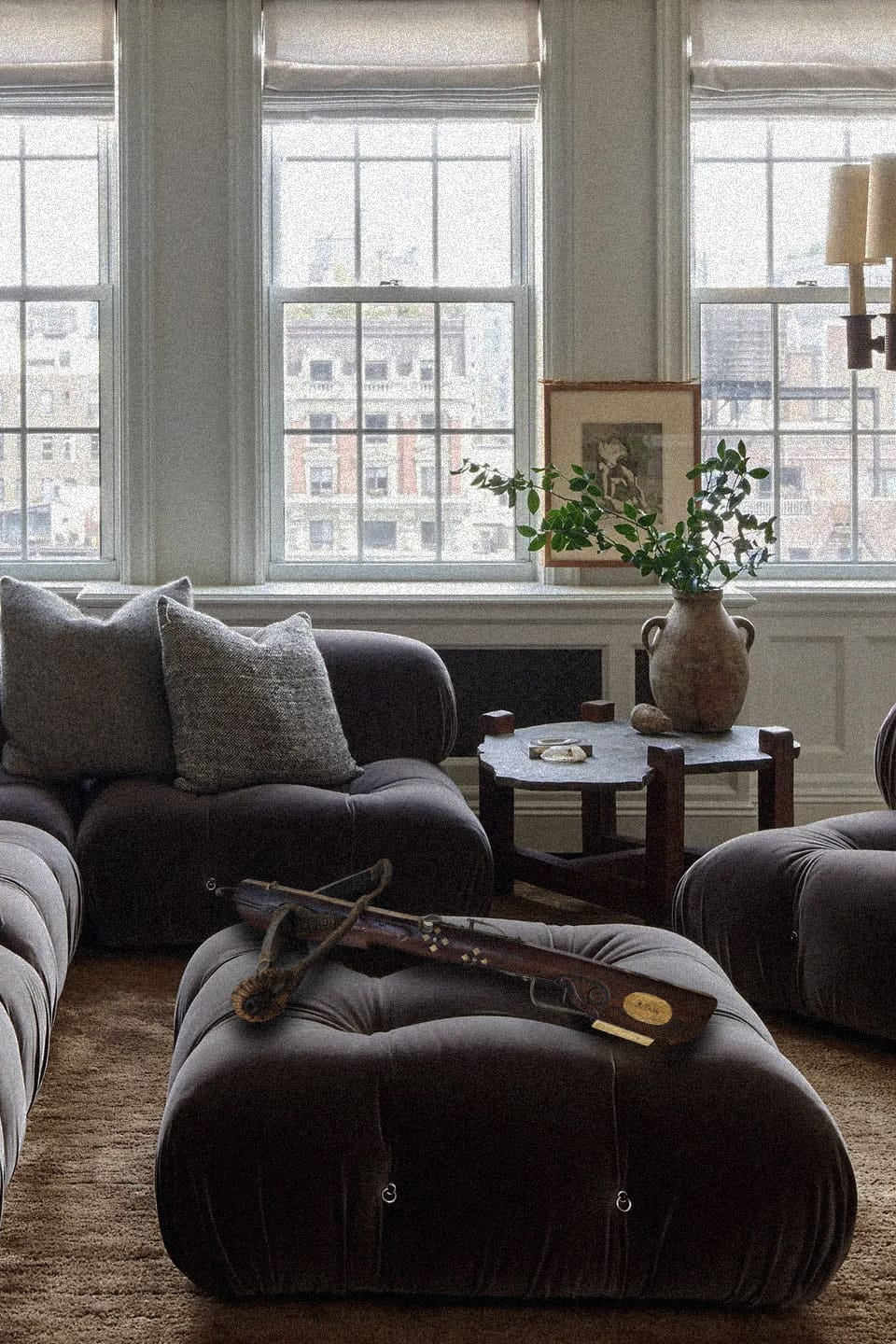
The Crossbow After the Battlefield
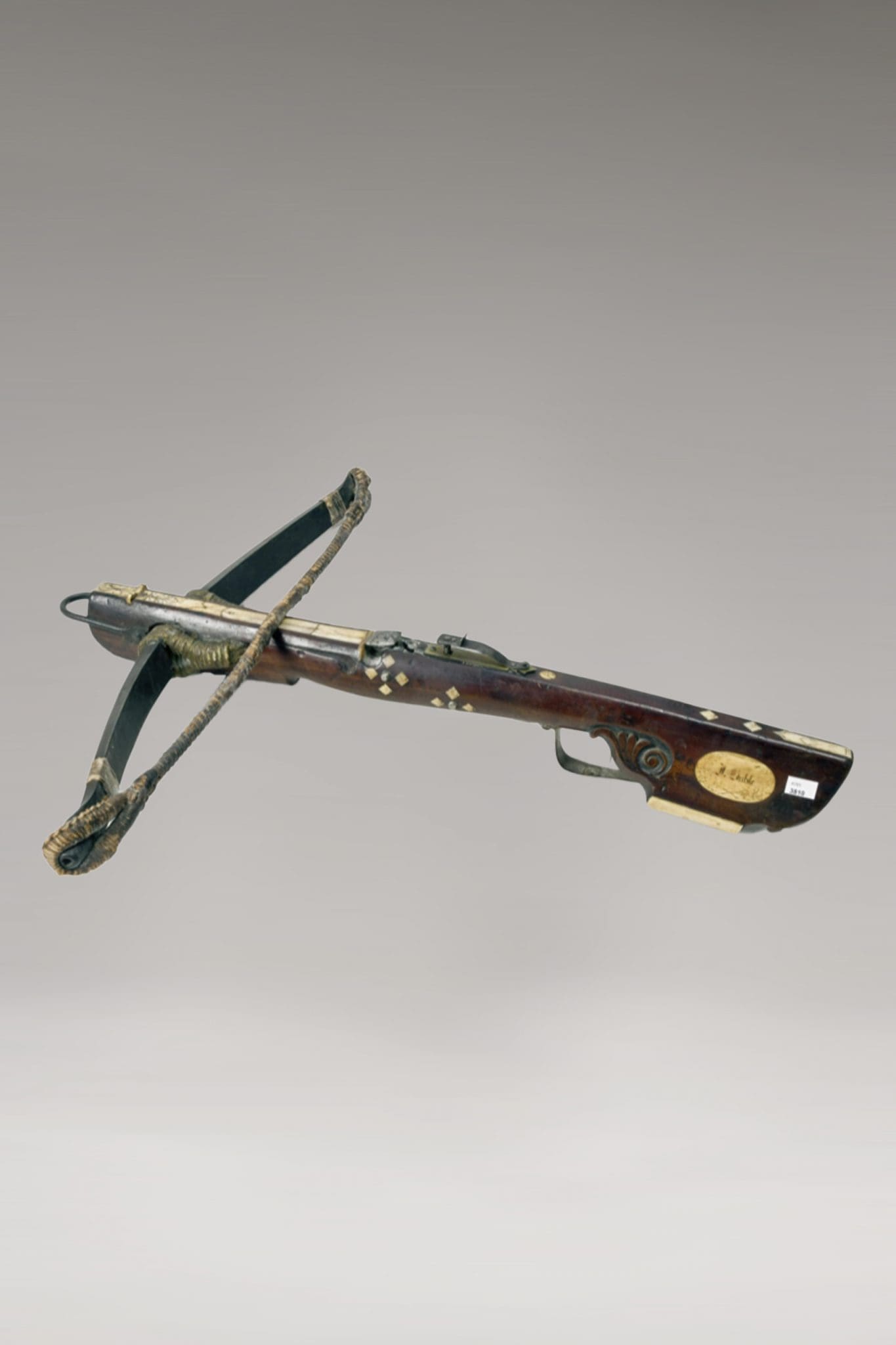
By the 18th century, the crossbow had long ceased to be a weapon of European warfare — firearms had displaced it from the battlefield in the 15th and 16th centuries, a transition that rendered the crossbow’s slower loading time and the complex skill of the bowyer obsolete in a military context. Yet the crossbow did not disappear; it survived, refined and elaborated, in the culture of aristocratic hunting and target shooting that became one of the defining leisure practices of the German-speaking world. Crossbow shooting (Armbrustschießen) was practised in organised societies (Schützenbruderschaften) across the Holy Roman Empire and its successor states, and hunting crossbows — lighter, more precise, and mechanically sophisticated compared to their military predecessors — were produced by specialist craftsmen to meet the demands of a wealthy clientele who valued both functional performance and aesthetic refinement. An 18th-century German hunting crossbow represents the weapon at this mature stage: no longer an instrument of war but an object of sporting prestige, made with the accumulated knowledge of centuries and aimed at targets considerably more exacting than a battlefield enemy.
Iron, Bone, and Wood: The Materials of Precision
The construction of a quality 18th-century crossbow called on three distinct craft traditions. The iron components — the trigger mechanism, the nut, and the stirrup — required the precision iron-working skills of a specialist smith capable of producing parts that would function reliably under the significant tension of a drawn bow. The wooden stock (tiller) was crafted from dense hardwoods selected for their resistance to warping and their ability to transmit the tension of the bow string without distortion. The bone elements — typically used for sights, inlays, and decorative panels — were worked by a carver who brought both decorative and functional considerations to bear: bone was valued for its surface quality, its dimensional stability, and its ability to be worked to fine tolerances. A crossbow that integrated all three materials well was the product of a workshop with access to multiple specialist skills, and the quality of their integration is one of the primary indicators of a piece’s provenance and market value.
The German Sporting Arms Tradition
18th-century Germany was the centre of European sporting arms manufacture. The great gunmaking cities — Suhl in Thuringia, Ferlach in Carinthia, Zella-Mehlis in Saxony — produced firearms and edged weapons of international renown, exported to royal courts and aristocratic households across the continent. Crossbow manufacture sat within this same tradition of precision craftsmanship and aesthetic refinement. The sporting crossbow was expected not only to function perfectly but to look as though it had been made for people for whom appearance and performance were equally non-negotiable. An 18th-century German crossbow in good working condition, with its mechanism intact and its composite materials well-preserved, is a significant arms object: the endpoint of a tradition that began in medieval warfare and arrived, after several centuries of refinement, at this instrument of leisure, precision, and aristocratic self-presentation.



 No products in the cart.