


Douglas Kirkland and the Art of the Intimate Portrait
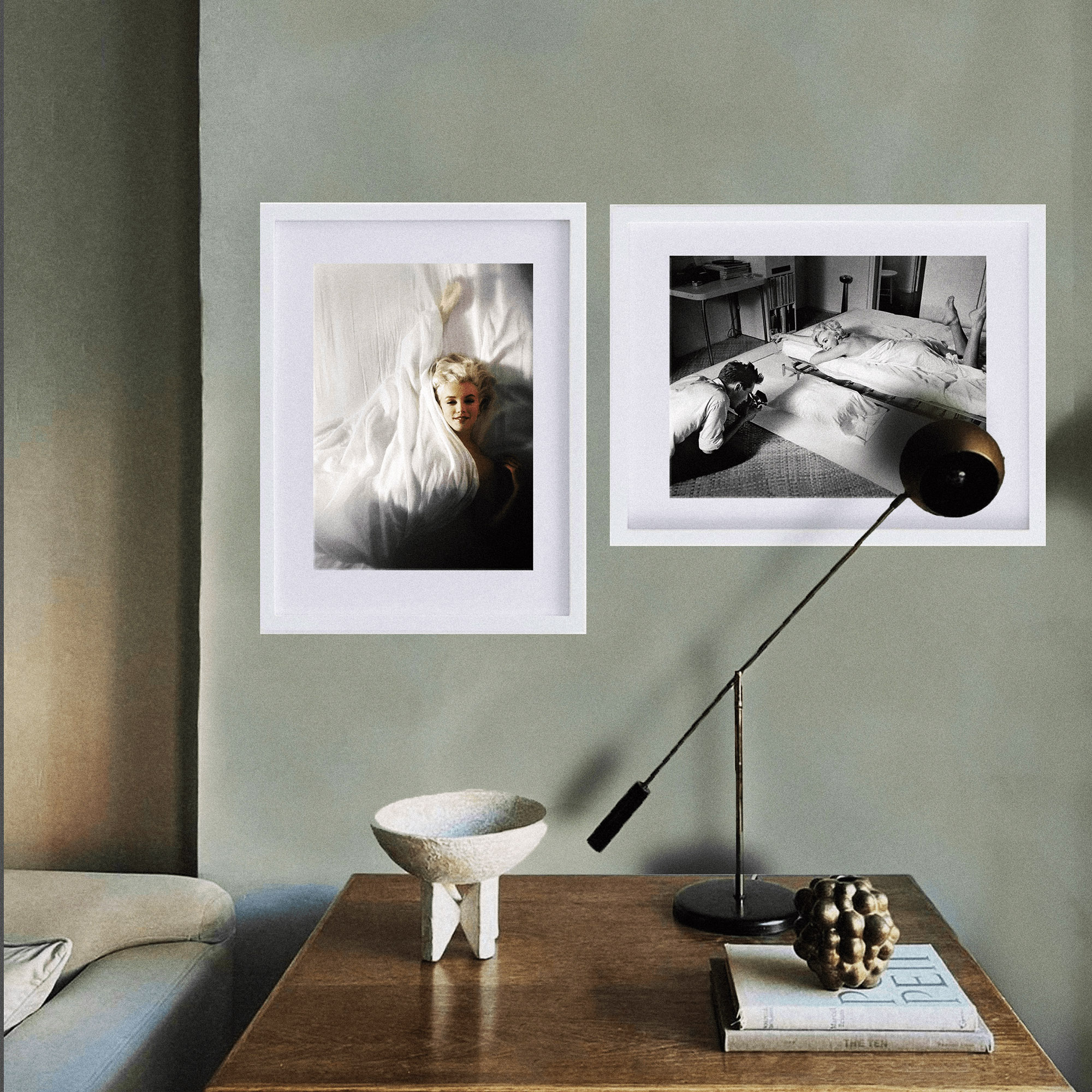
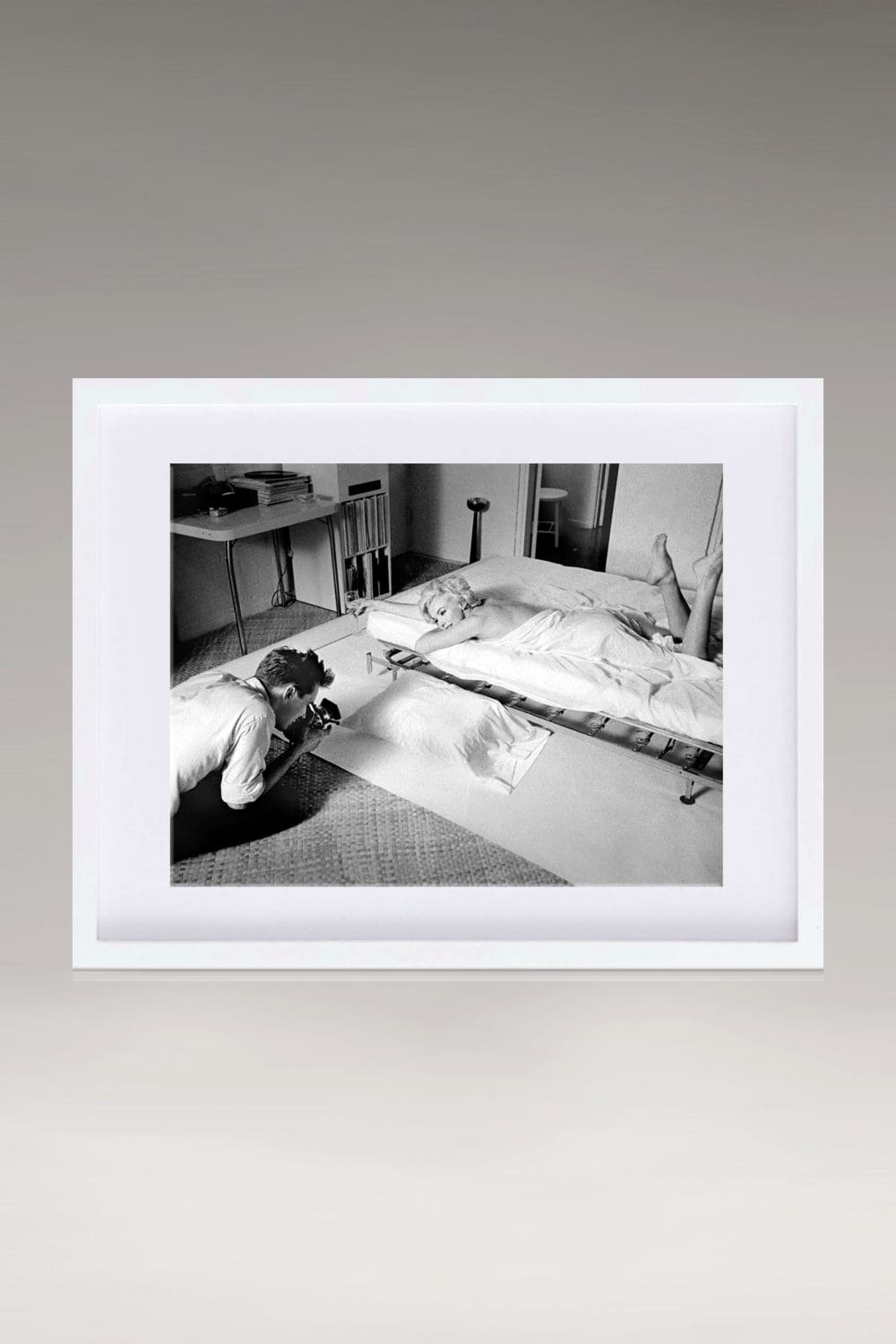
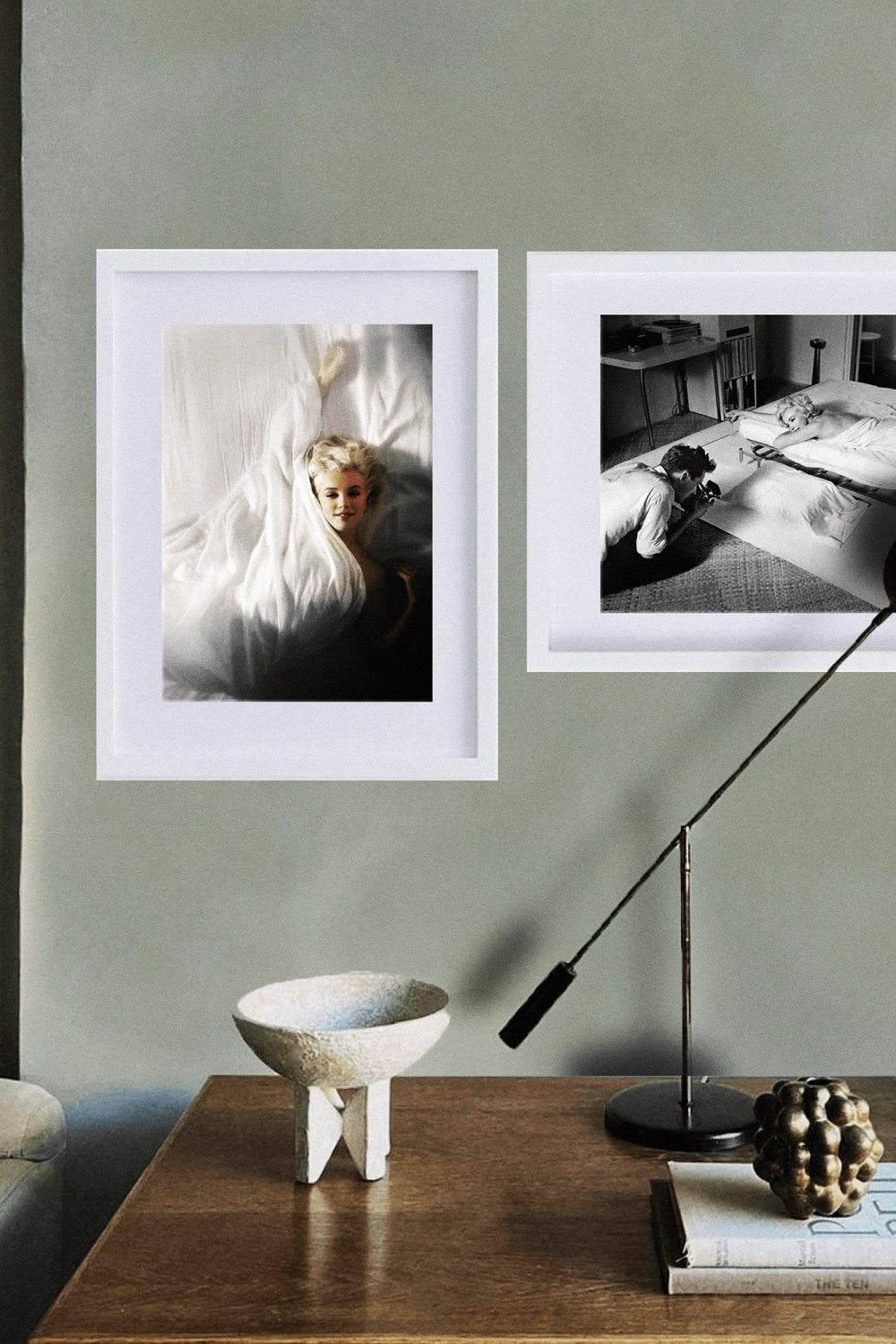
Douglas Kirkland’s career spans more than six decades of celebrity, fashion, and film photography, but it is the work he made as a young Look magazine photographer in 1961 that remains his most enduring contribution to the medium. The session with Marilyn Monroe — arranged for the magazine’s Christmas issue and conducted across a single November evening in Los Angeles — produced a body of images that have been exhibited in major institutions, reproduced in countless publications, and acquired by collectors worldwide. What distinguishes Kirkland’s approach from the many other photographers who worked with Monroe is the evident quality of the collaboration: Monroe was not simply photographed but was an active participant in constructing the images, deploying her extraordinary self-awareness in front of the lens to produce something that reads as mutual, rather than extractive.
Technique and Vision: Making the 1961 Images
The technical conditions of the 1961 session were deliberately unconventional. Kirkland worked with high-contrast lighting designed to emphasise texture and luminosity rather than the smoothed-out glamour of conventional Hollywood portraiture. The white silk sheets that appear throughout the session were Monroe’s own suggestion; Kirkland has recalled that she understood instinctively how fabric moved in relation to light and body, using it to modulate what would and would not be visible. The resulting photographs occupy an unusual position in the history of celebrity portraiture: they are simultaneously the most revealing images ever made of Monroe and entirely controlled by their subject — a paradox that has occupied critics and curators since they were first published. To study a Kirkland Monroe print is to study a collaboration, the traces of two intelligent wills working together toward an image neither could have produced alone.
Collecting Photography: The Archive Print
The archive pigment print has become the medium’s equivalent of the signed original in painting: an object authorised by the artist, produced from original source material, and made to the highest conservation standards available. Kirkland’s prints from the Monroe session are produced on acid-free substrates with pigment inks calibrated to his specifications, ensuring a colour range and tonal depth that honour the original negatives. Collecting these prints means acquiring not a reproduction but an object with its own physical presence and documented lineage — a work of art that carries within it the evidence of a specific moment: one November evening in Los Angeles, sixty years ago, when a young photographer and the most famous woman in the world made something together that neither has been able to explain since.
 No products in the cart.