

The Dan and the Aesthetics of the Ideal Face
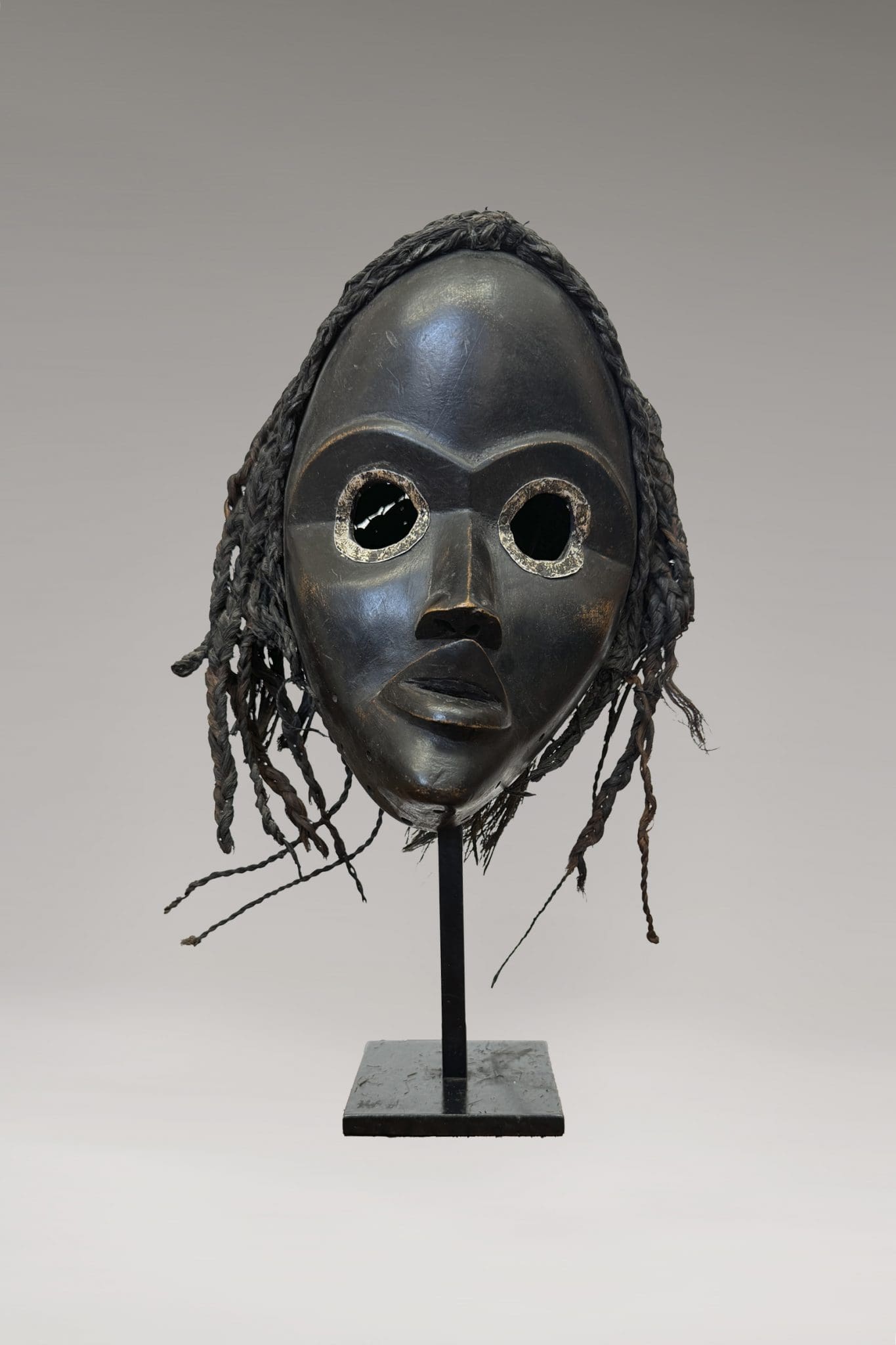
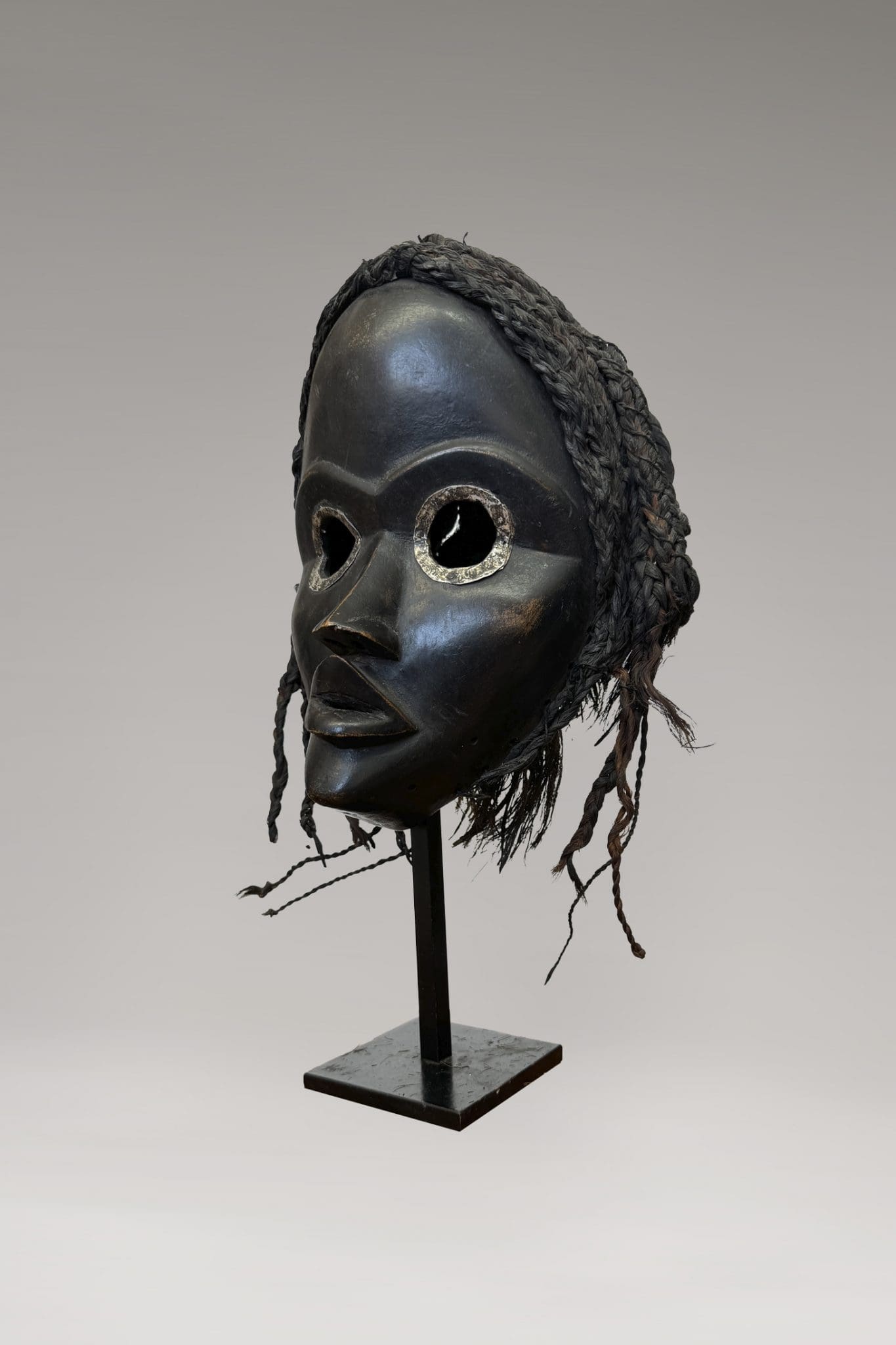
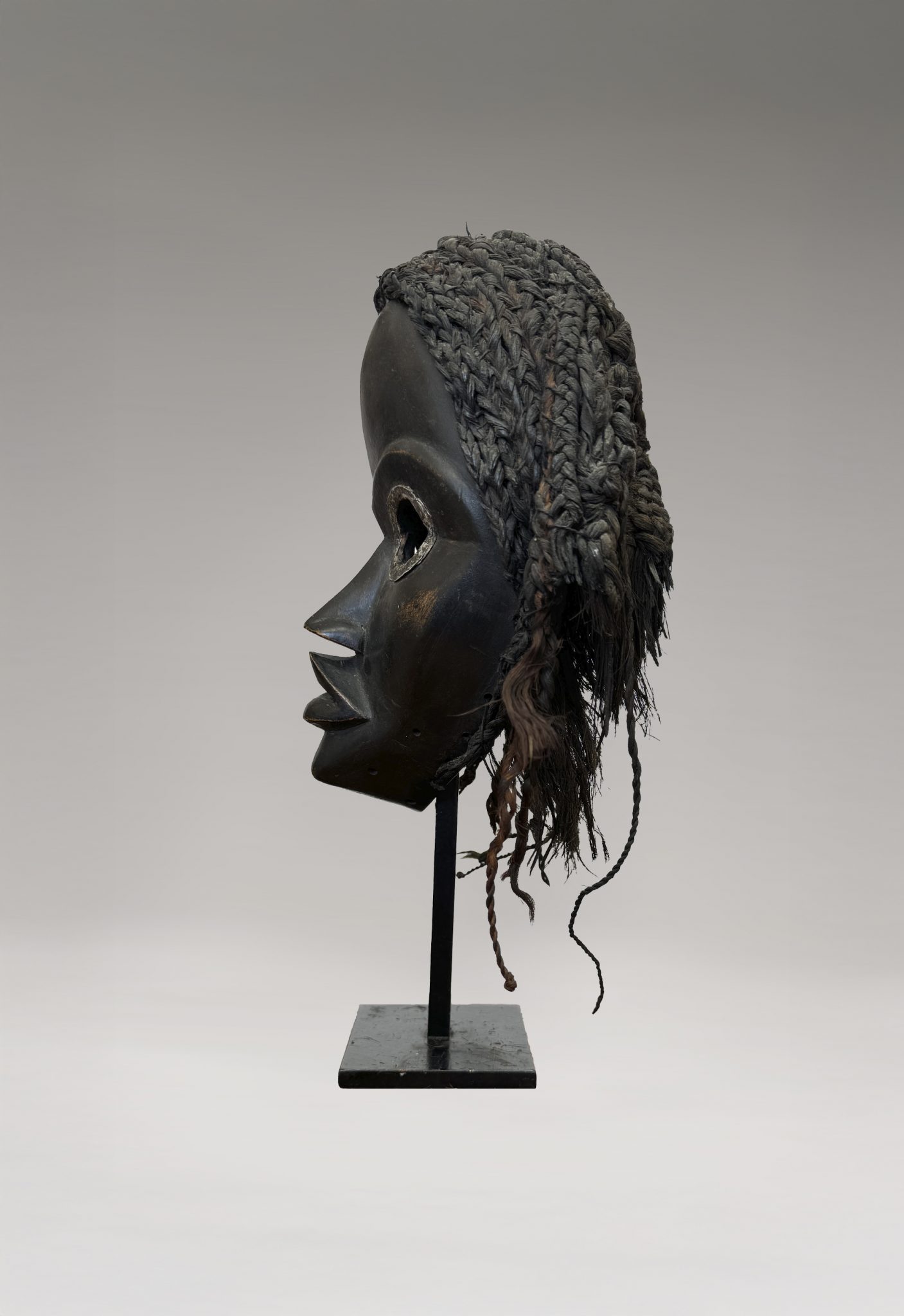
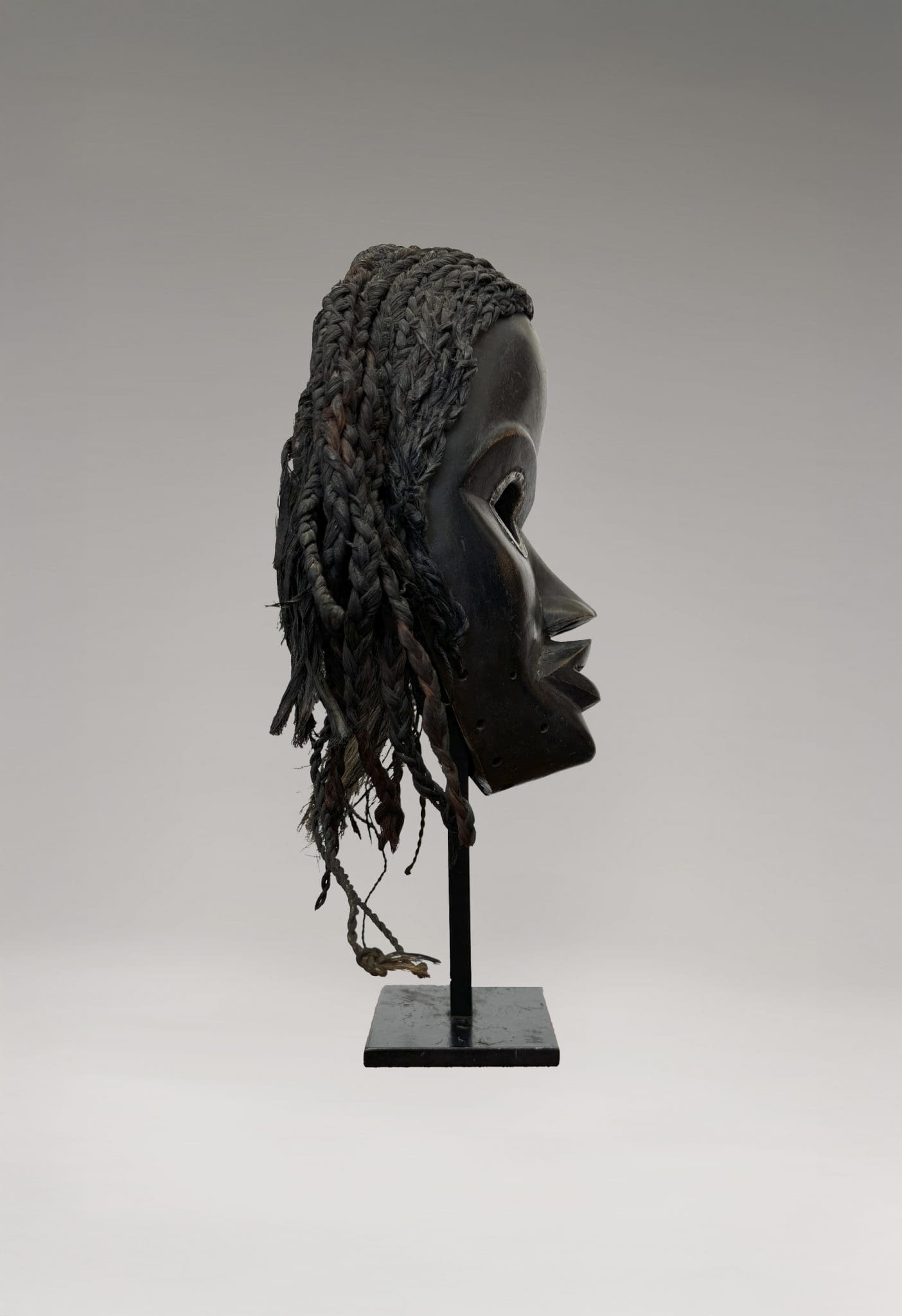
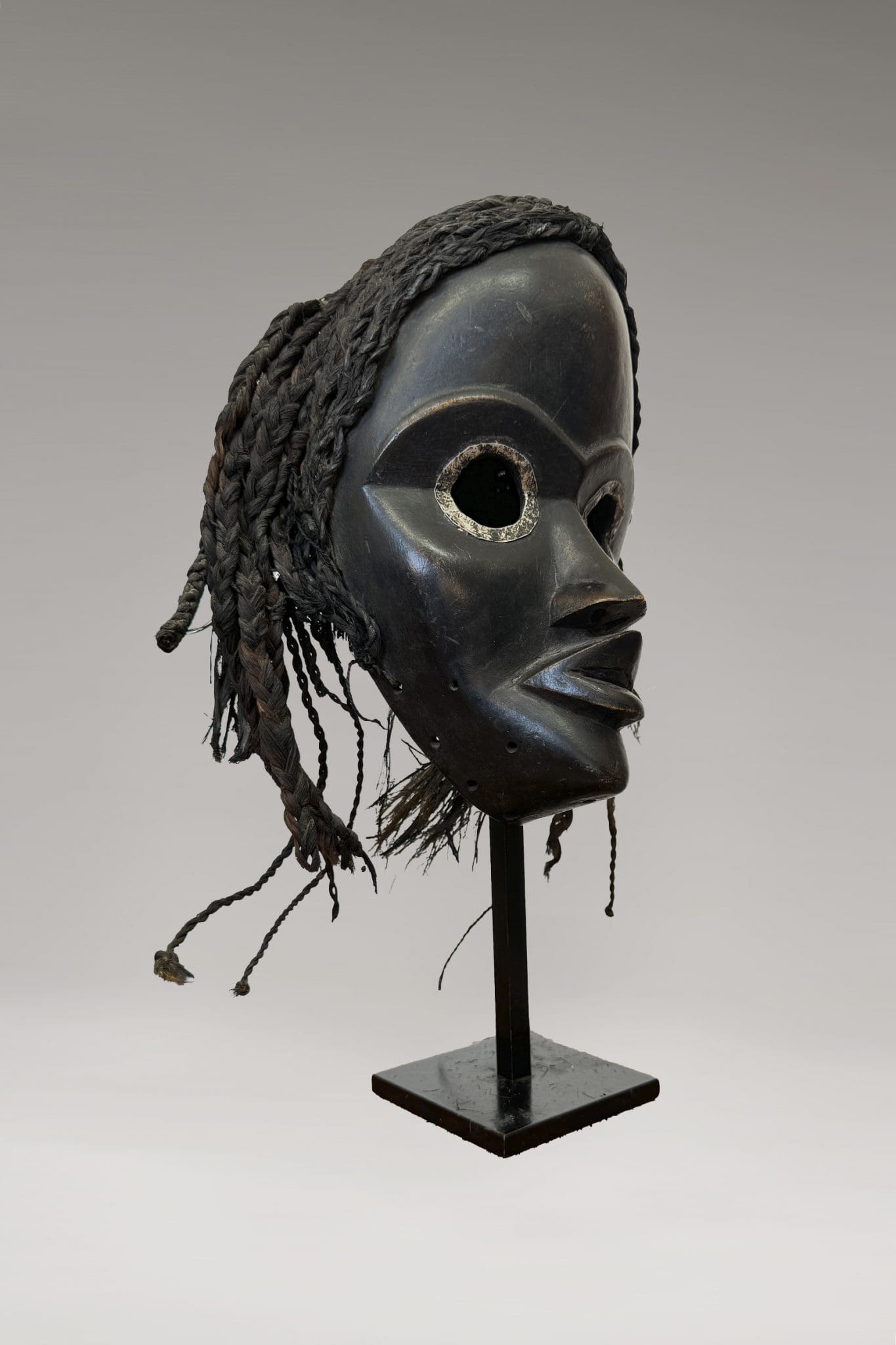
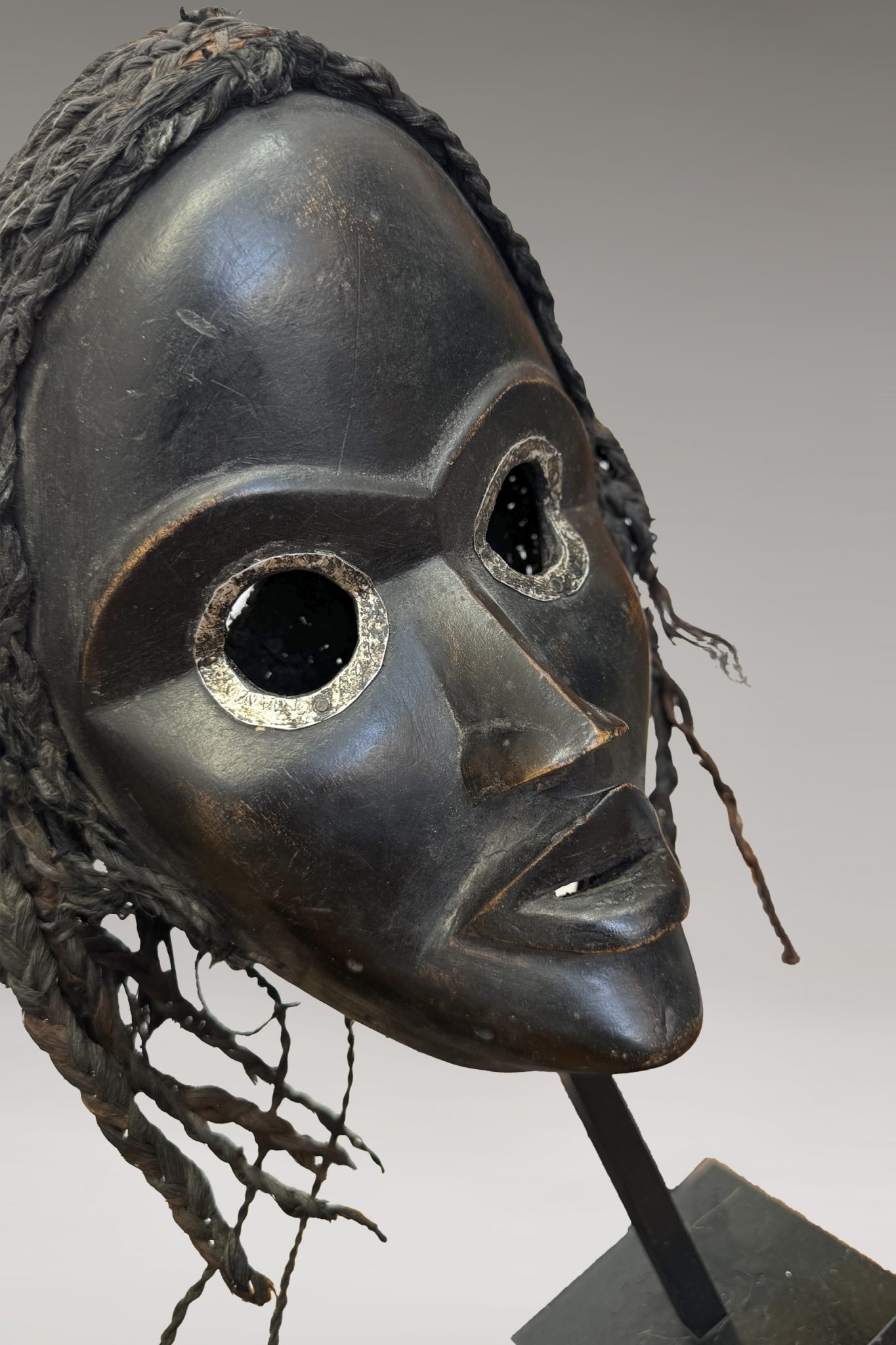
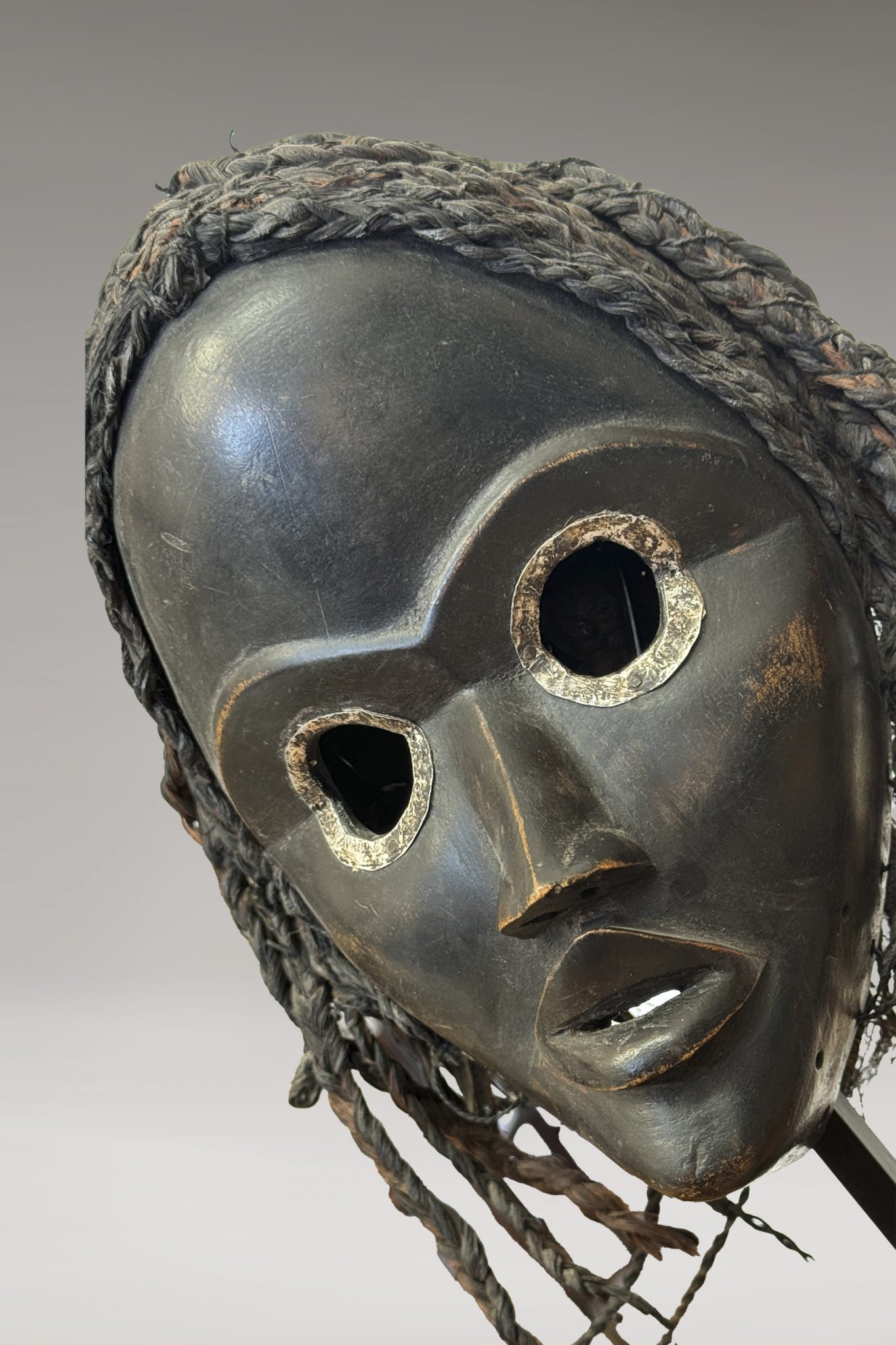
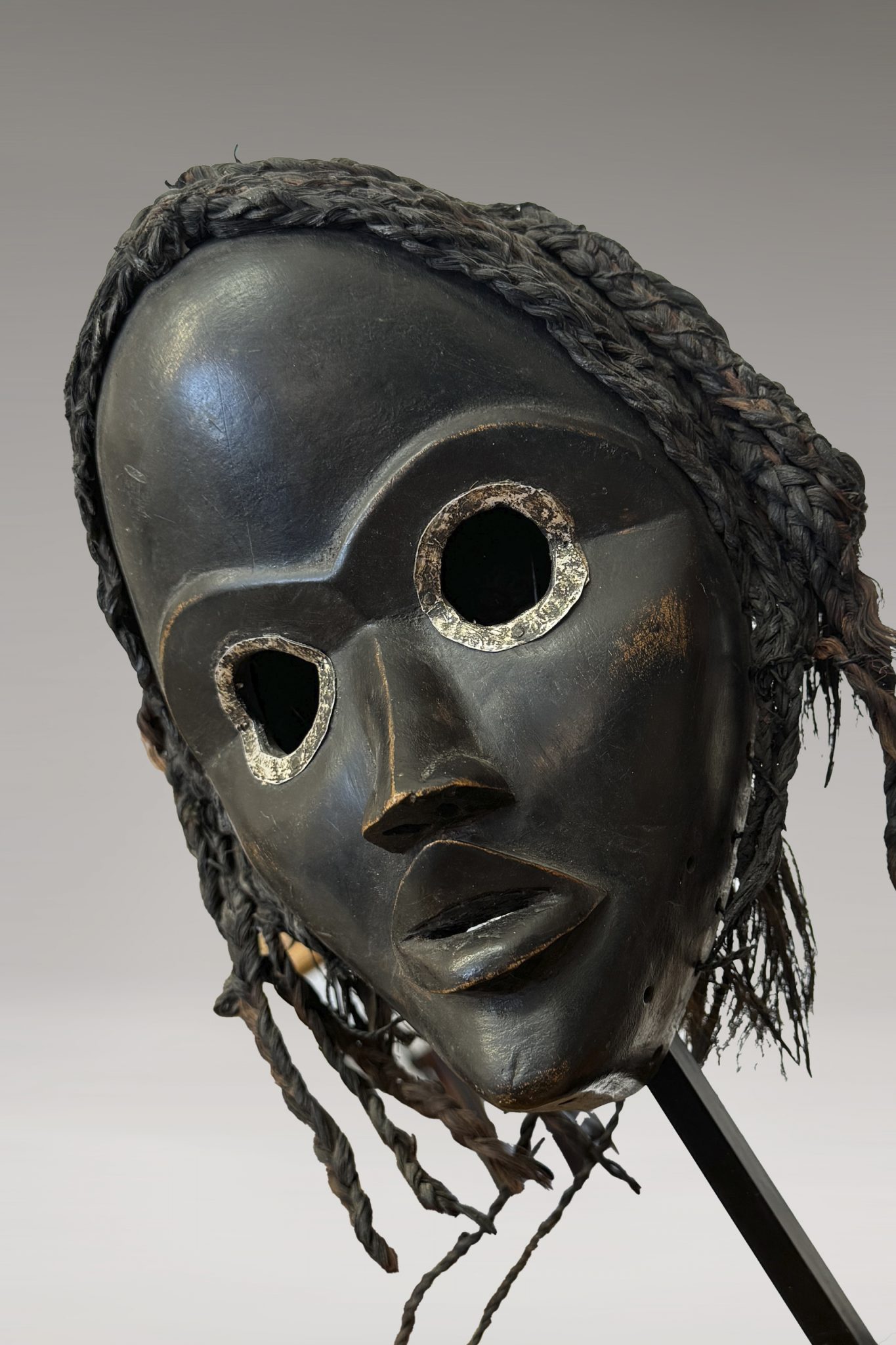
In the forest zone of Liberia and western Côte d’Ivoire, the Dan people developed a masking tradition that has attracted sustained attention from artists, collectors, and ethnographers since the early 20th century, when European artists encountering African objects for the first time found in Dan masks a formal refinement that resonated directly with their own modernist preoccupations. The Dan mask face — oval, with a gently rounded forehead, slightly narrowed eyes, a delicate nose, and a mouth that suggests but does not insist on expression — represents what many Dan carvers have described as an ideal: not a specific person’s face but the face of beauty itself, the form through which spiritual power could become visible in the human world. This combination of formal restraint and spiritual charge is rare in any sculptural tradition, and it explains both the masks’ lasting appeal to Western collectors and their continuing importance within the communities that produced them.
Masking Among the Dan
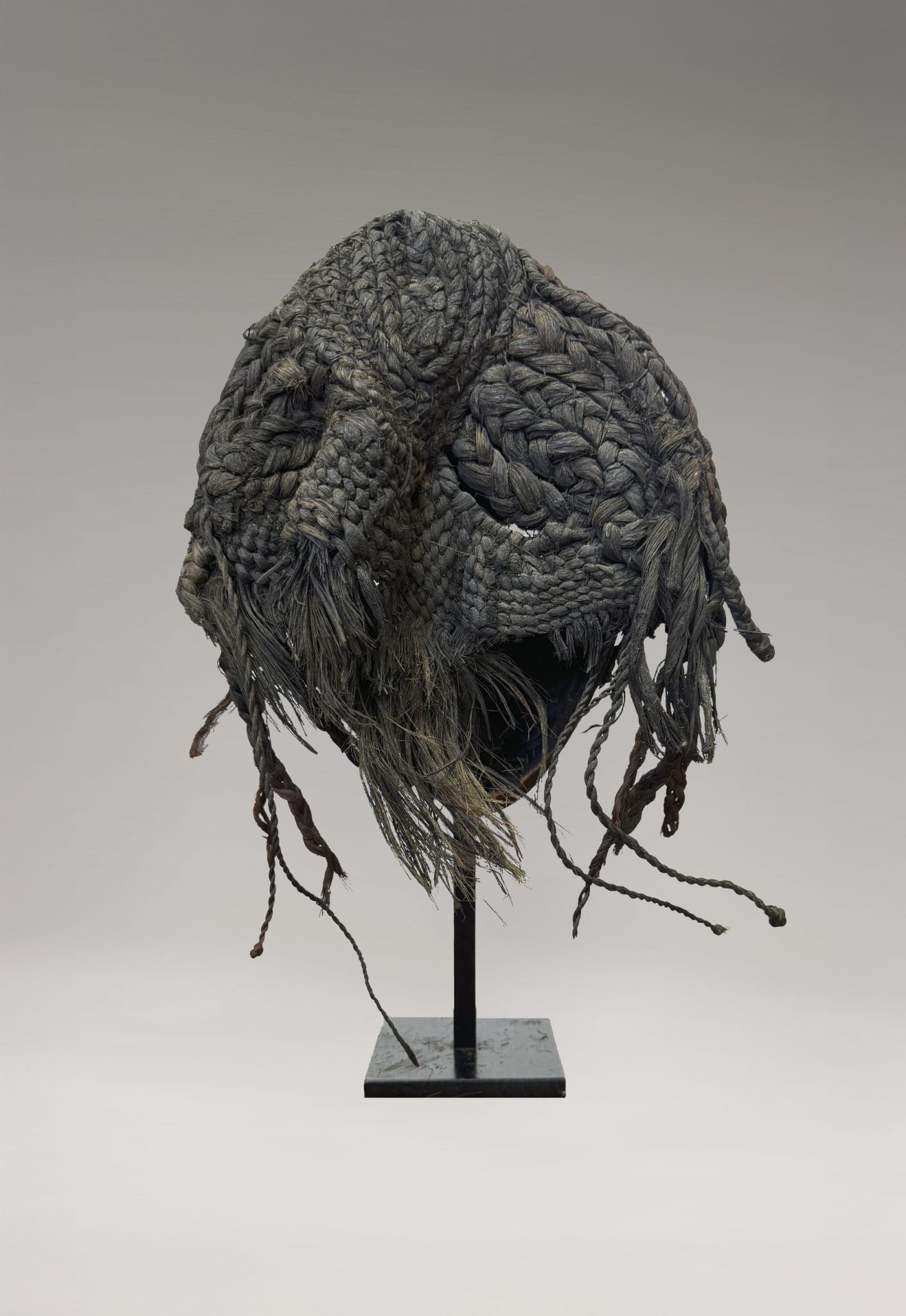
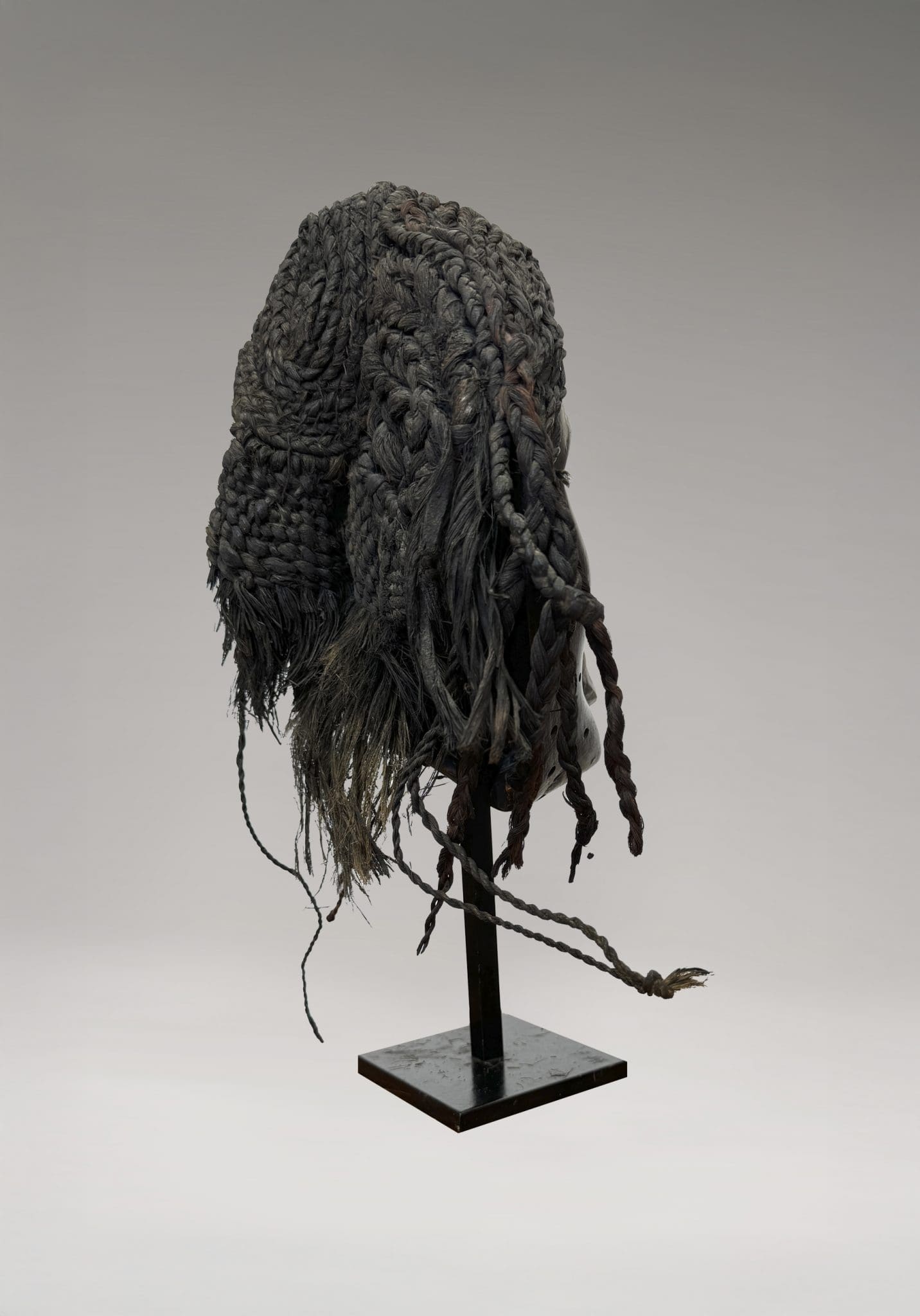
Dan masks embody dei — spirit forces that occupy the forest and can be brought into relation with the human community through specific ritual practices. A mask is not merely a representation of a spirit but a medium through which that spirit is present: when a dancer wears the mask and enters the performance space, it is the dei, not the dancer, who is understood to appear. Different mask types serve different functions: some appear at initiations to guide young men through the transition to adulthood; others perform at entertainment events, bringing laughter and music; still others were associated with warfare, judicial proceedings, or the control of fire. The materials attached to a mask — vegetable fibre beard and collar, metal attachments, applied substances — are not decorative in the simple sense but each plays a specific role in constituting the mask’s spiritual identity and efficacy. A mask in the state of this example, combining carved wood, fibre, and metal, represents the full complexity of a Dan masking object.
A Canonical African Form
The Dan mask holds a specific position in the history of how African art became visible to Western audiences. Pablo Picasso, who encountered African objects in Paris in the early 20th century, is reported to have been particularly moved by objects from the Dan and related traditions. The smooth, geometrised oval of the Dan face — which arrives at its form through a logic entirely internal to Dan aesthetics, not as a simplification of naturalism — resonated with the directions Picasso and others were exploring in European modernism. This convergence of formal interests, while it initially led to a misunderstanding of African art (treated as raw material rather than sophisticated tradition), ultimately created a global awareness of Dan masking that contributed to its preservation and study. A late 19th to early 20th-century Dan mask in field condition is a significant ethnographic and aesthetic object, carrying within its carved form the intelligence of a tradition that has been refining its ideals for centuries.








 No products in the cart.