

The Han Dynasty and the Art of the Afterlife
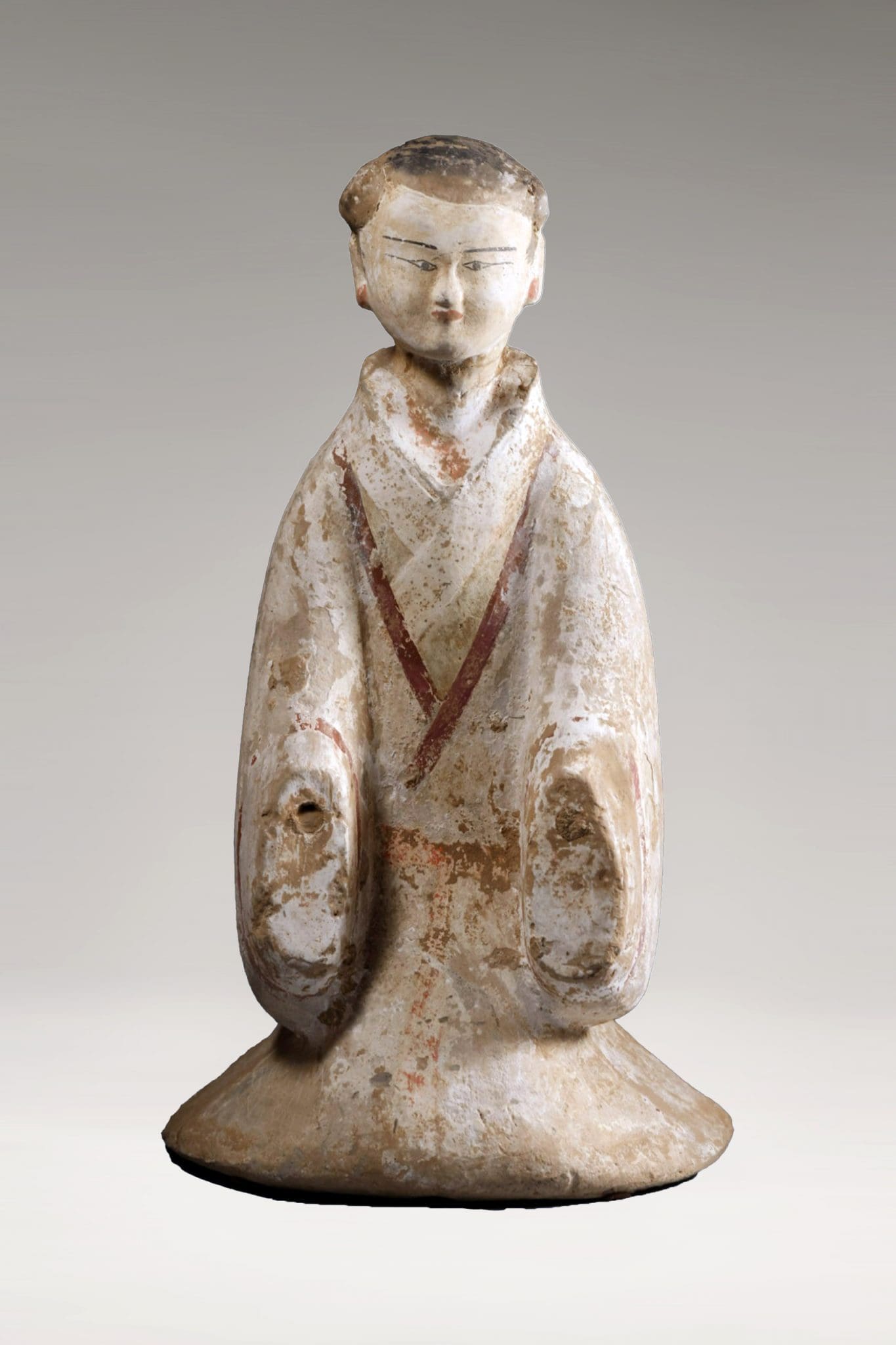
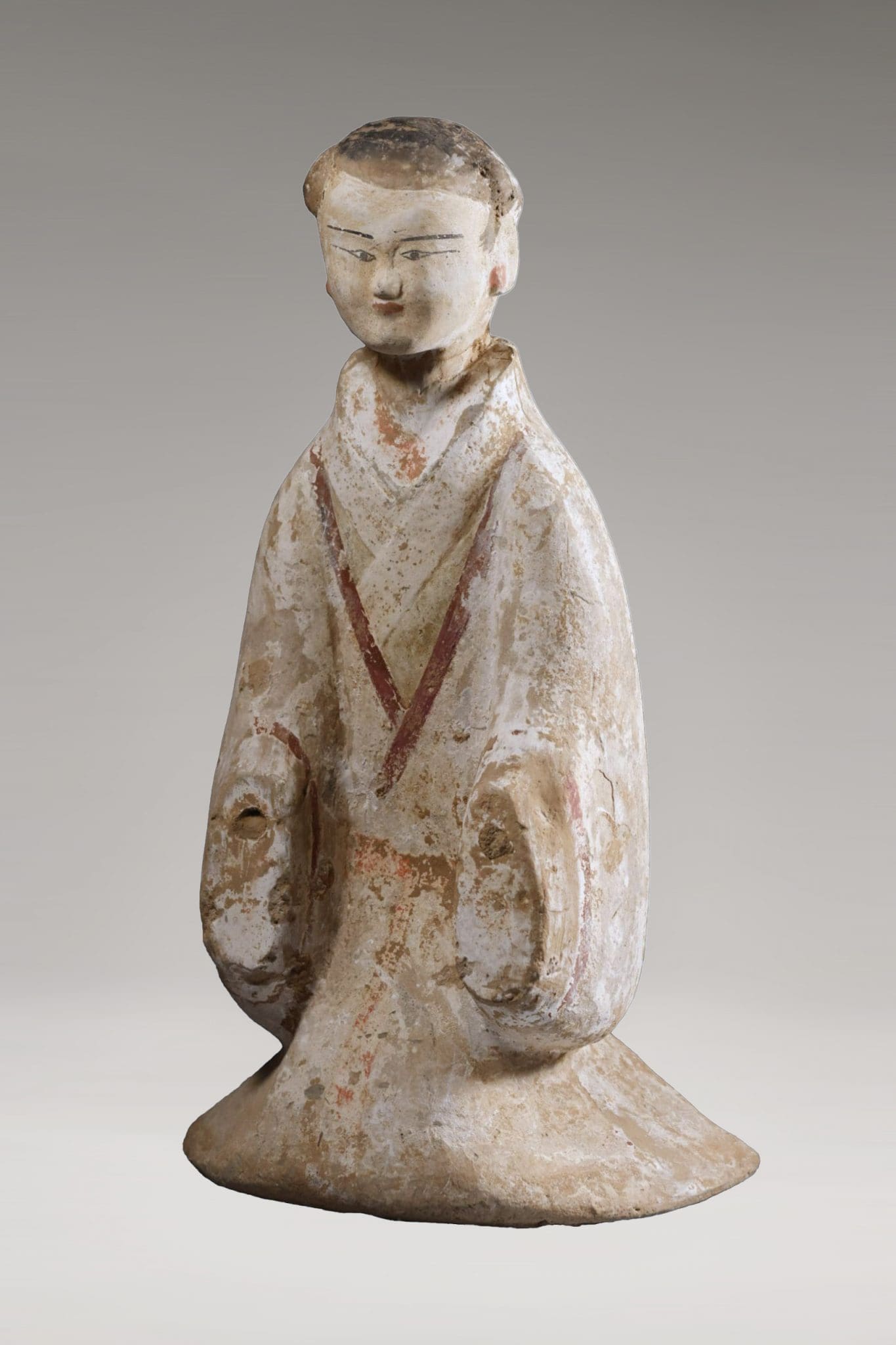
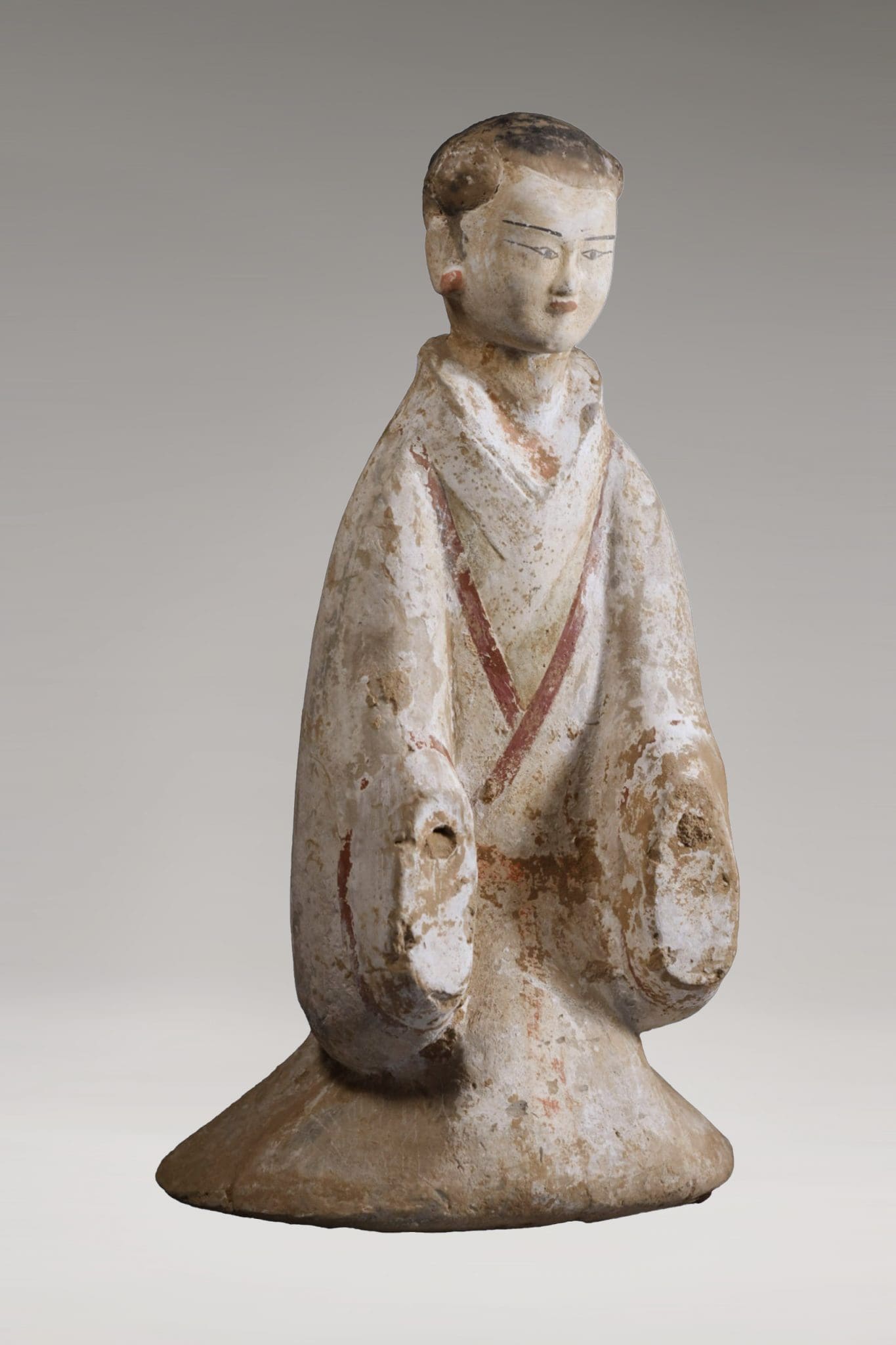
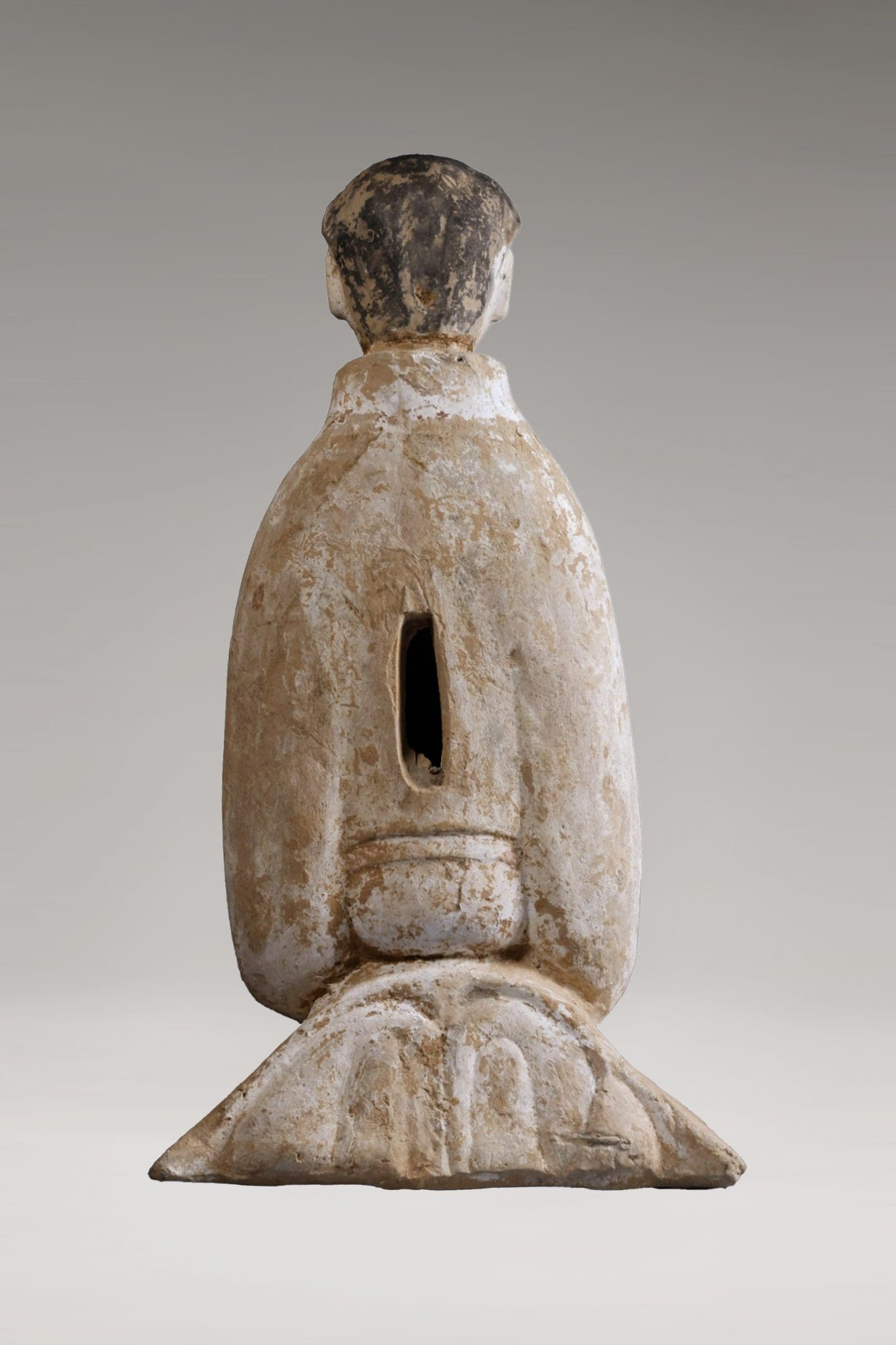
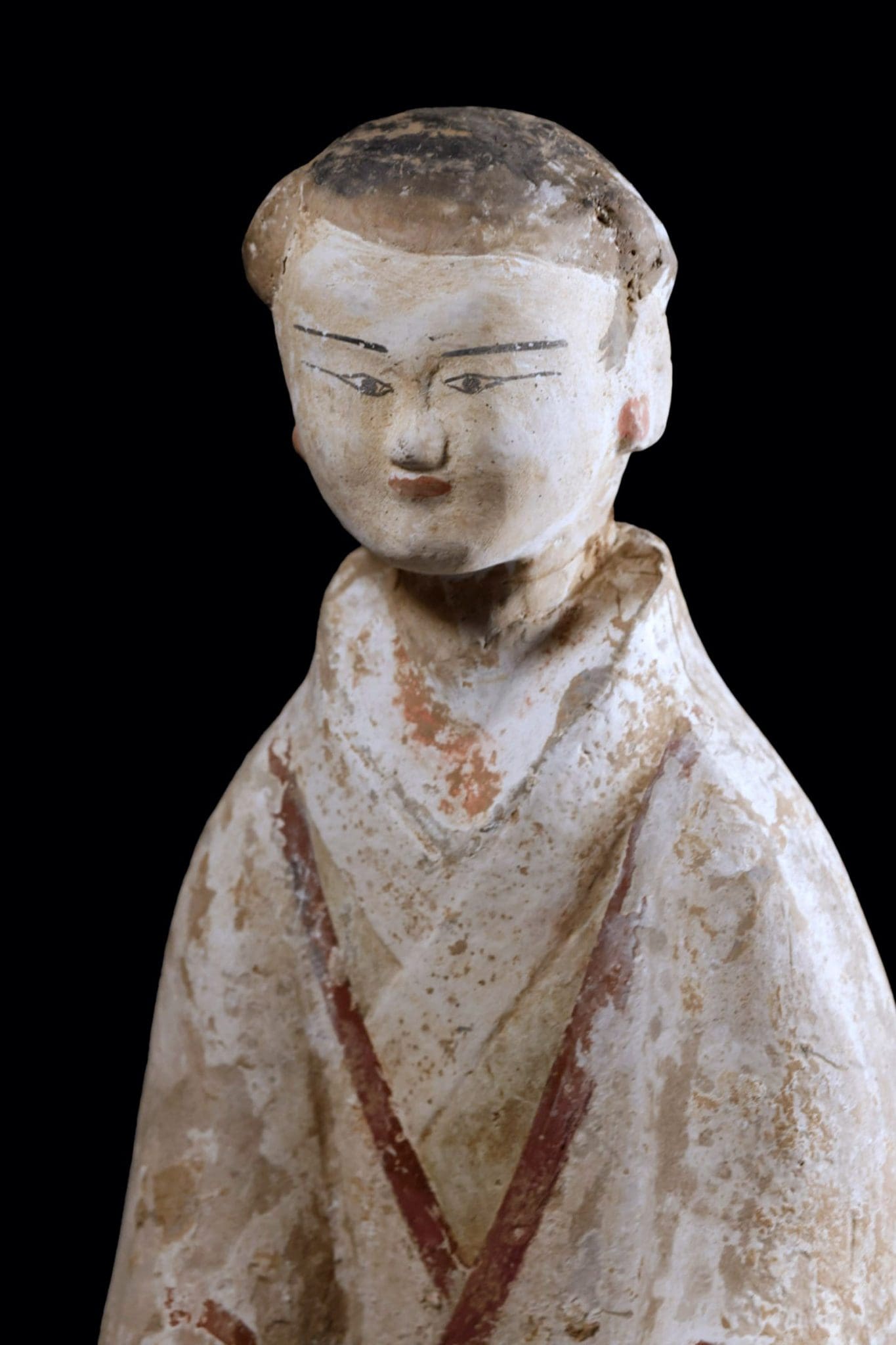
The Han Dynasty — which ruled China from 206 BC to 220 AD and gave its name to the Han Chinese people who make up the majority of China’s population today — was a period of extraordinary political consolidation, economic expansion along the Silk Road, and cultural production that shaped Chinese civilisation for the next two thousand years. Among the most enduring material expressions of Han culture are the terracotta figures placed in tombs: the mingqi, or “spirit objects,” that were deposited alongside the deceased to serve them in the afterlife. The Han conception of death was not of annihilation but of continuation: the well-furnished tomb, stocked with servants, entertainers, food vessels, horses, and domestic animals in ceramic form, ensured that the dead would move through the next world with the comfort and status they had enjoyed in this one. Court ladies — elegant female attendants with elongated bodies, elaborate coiffures, and robes rendered in gestures of subtle movement — are among the most numerous and the most aesthetically refined of these mingqi.
Form and Refinement in Han Figure Sculpture
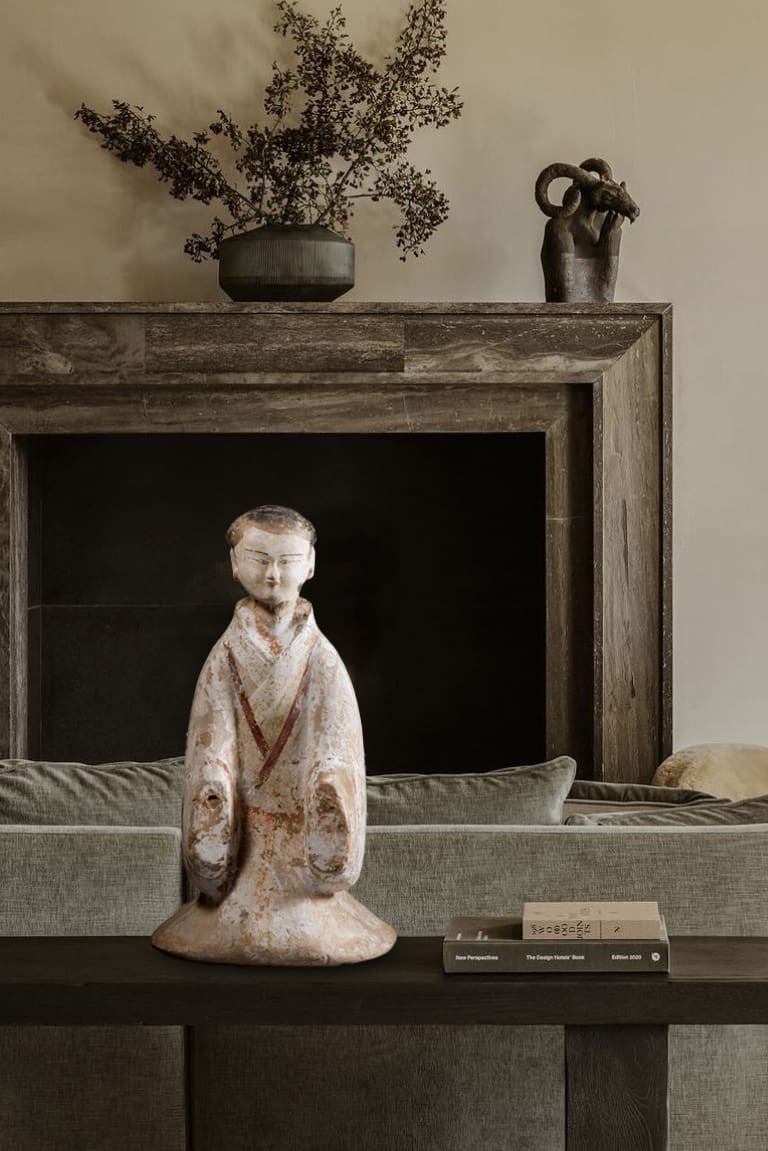
What distinguishes Han court lady figures from the more famous terracottas of the Qin Dynasty — the massive, individuated warriors of the First Emperor’s burial army — is precisely their delicacy. Where the Qin figures aimed at monumental presence and military specificity, Han court ladies are studies in courtly grace: elongated, with small heads, narrow waists, and sleeves so long they cover the hands, these figures distil an aristocratic aesthetic ideal into clay. The elongation is not stylistic accident but a deliberate formal choice — the same proportional convention that appears in Han painted lacquer and silk, where the courtly female body is always presented as a vertical, flowing form, its weight absorbed into the sweep of layered robes. Traces of the original polychrome pigment — typically red, black, and white on a chalk-white ground — survive on many Han figures in varying degrees, and where they do, they restore something of the figures’ original chromatic vibrancy: these were not grey terracotta objects but painted presences, more doll-like and vivid than museum display often suggests.
Two Millennia of Survival
The survival of Han terracotta figures across more than two thousand years is the result of the same burial practice that produced them: sealed in tombs, protected from light and moisture, they waited in darkness for rediscovery. The great era of Han tomb excavation began in the 20th century, as agricultural work, construction, and systematic archaeological investigation opened burial sites across central and eastern China. Objects that entered private and public collections before the 1970s — when China began enforcing stricter regulations on the export of cultural property — now constitute the primary market-accessible corpus of Han funerary art. A court lady figure in good condition, retaining traces of its original polychrome and showing the characteristic proportions and surface treatment of genuine Han production, is a significant acquisition: a fragment of a civilisation that shaped the world, preserved in clay for two millennia.
 No products in the cart.