

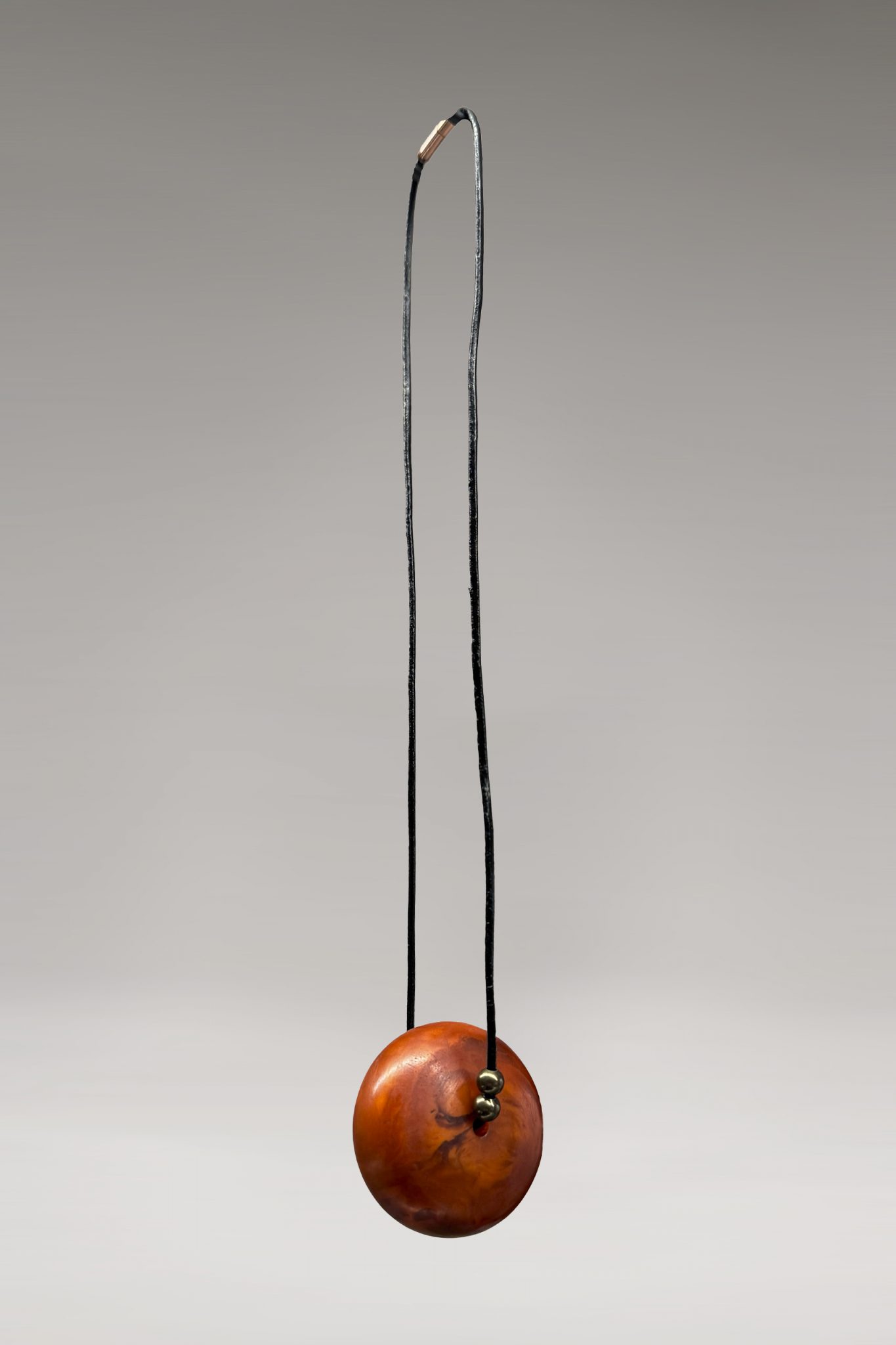
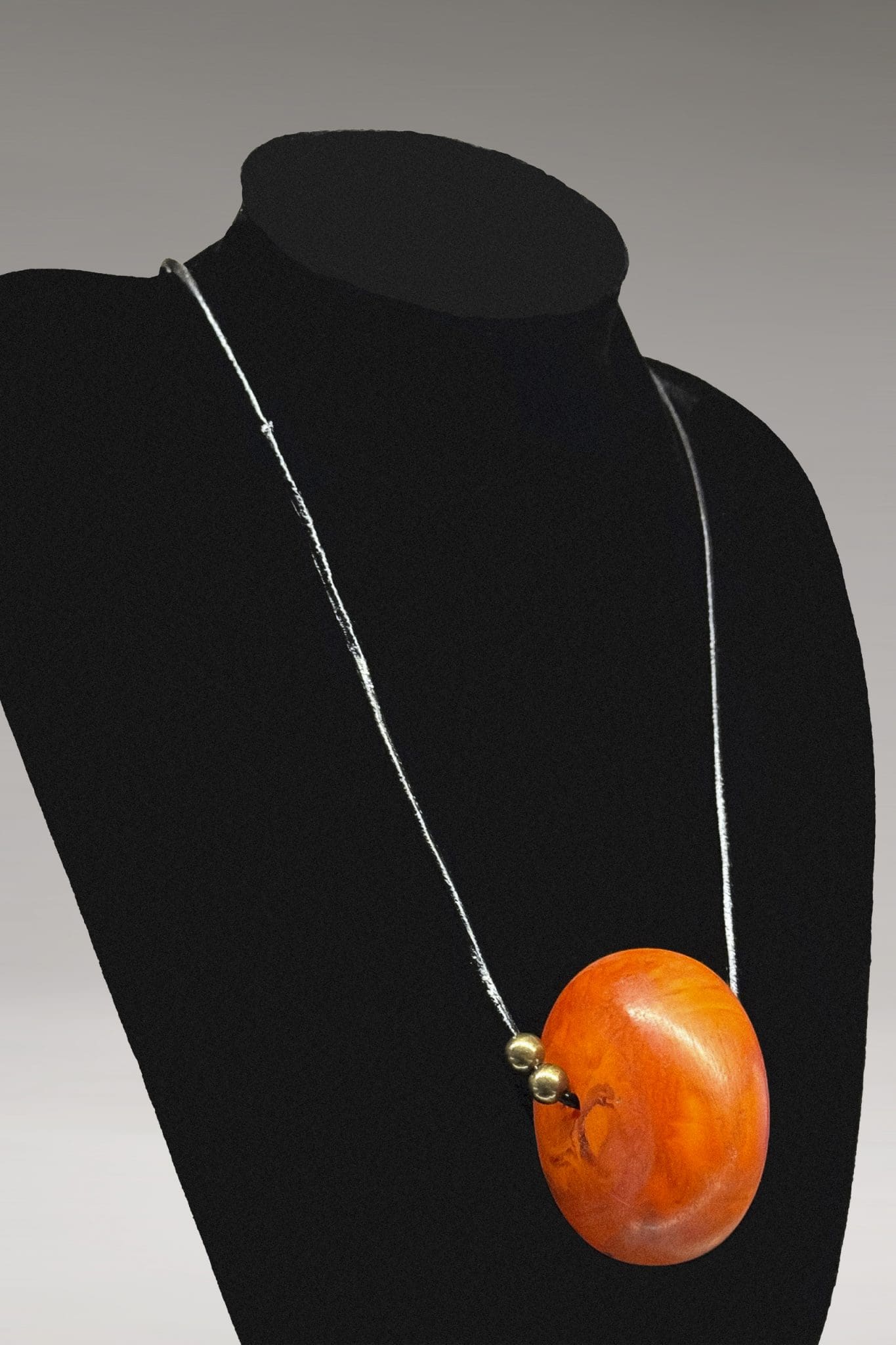
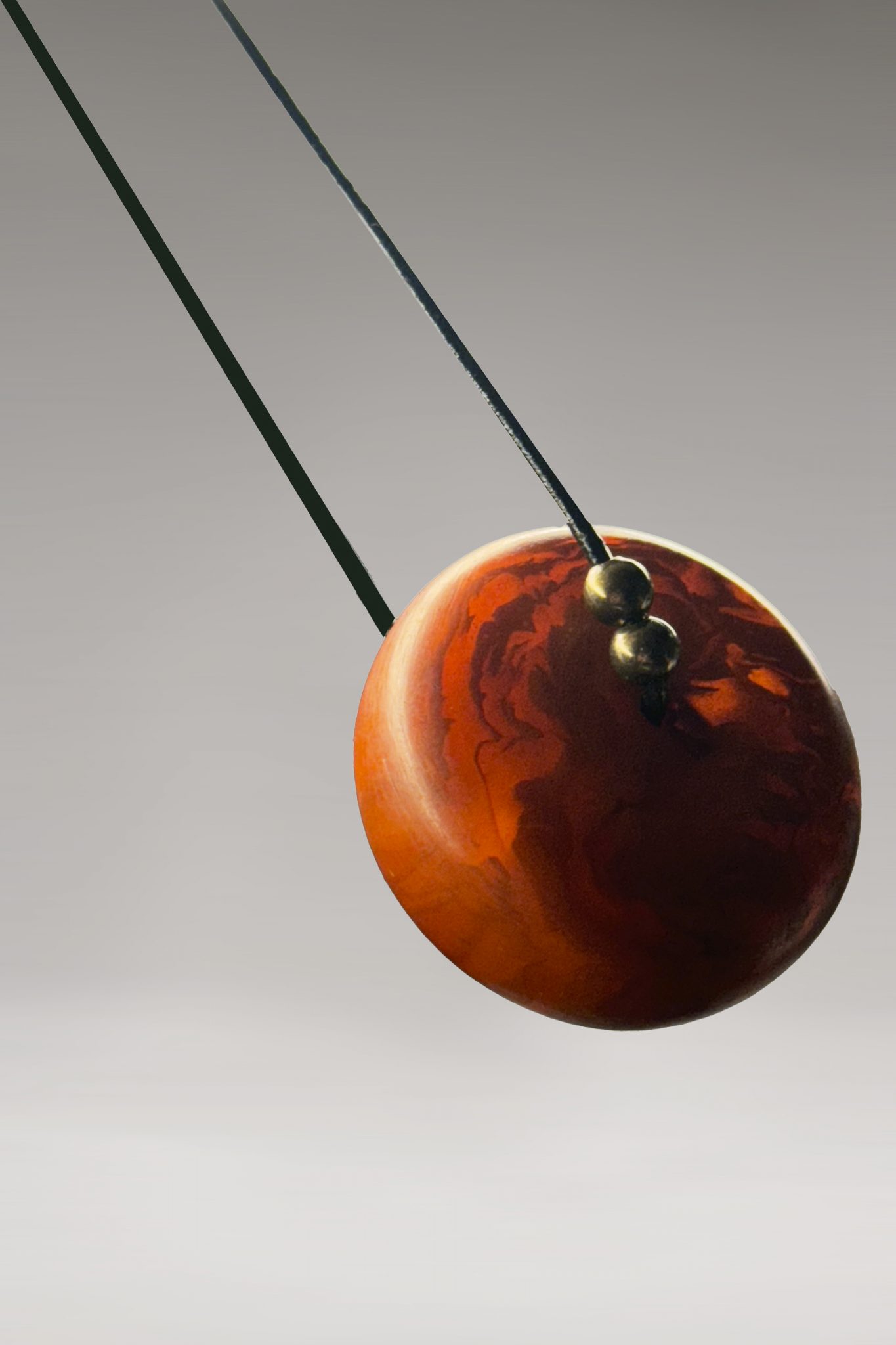
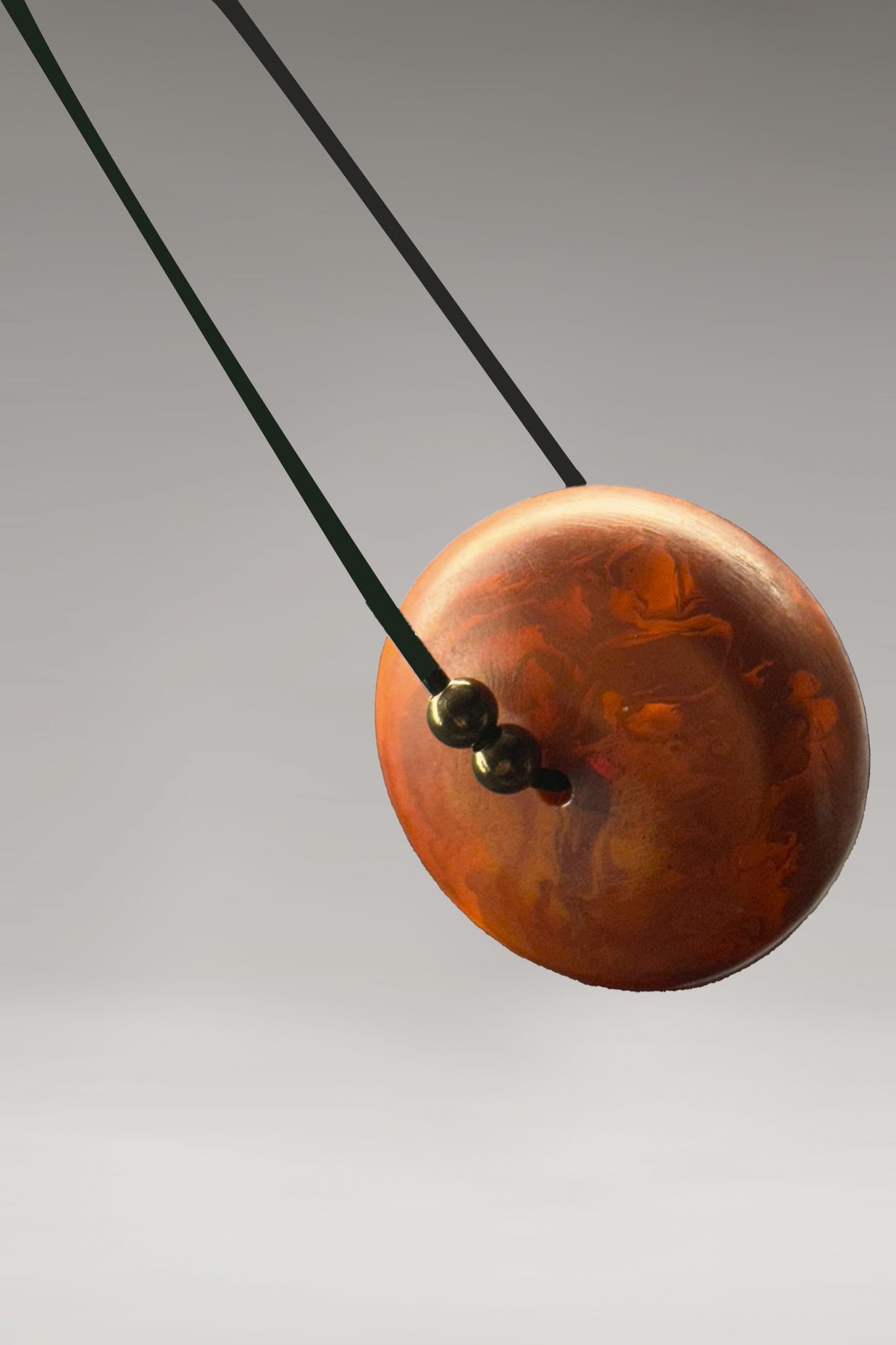
Amber: The Oldest Luxury Material in the World
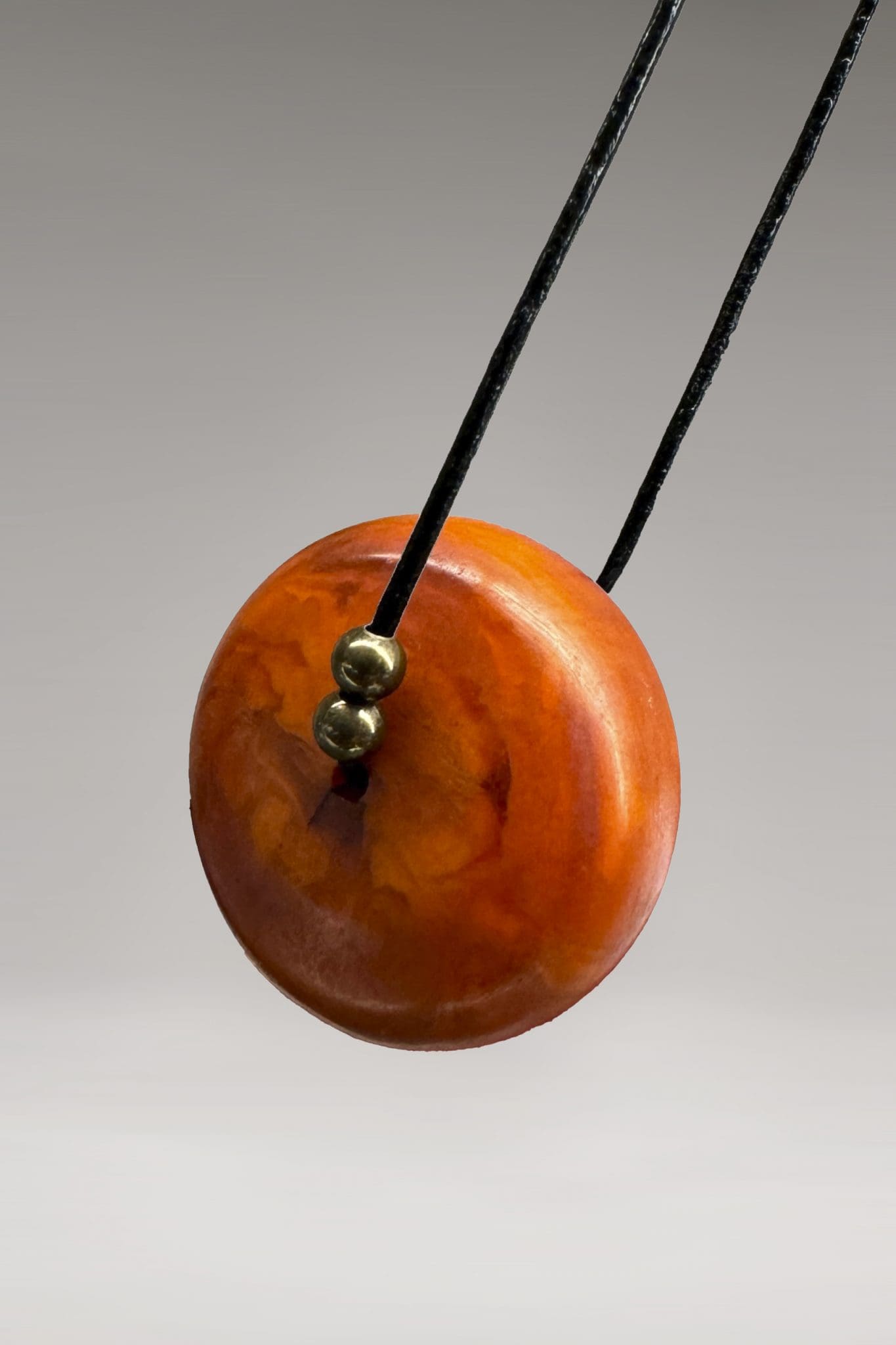
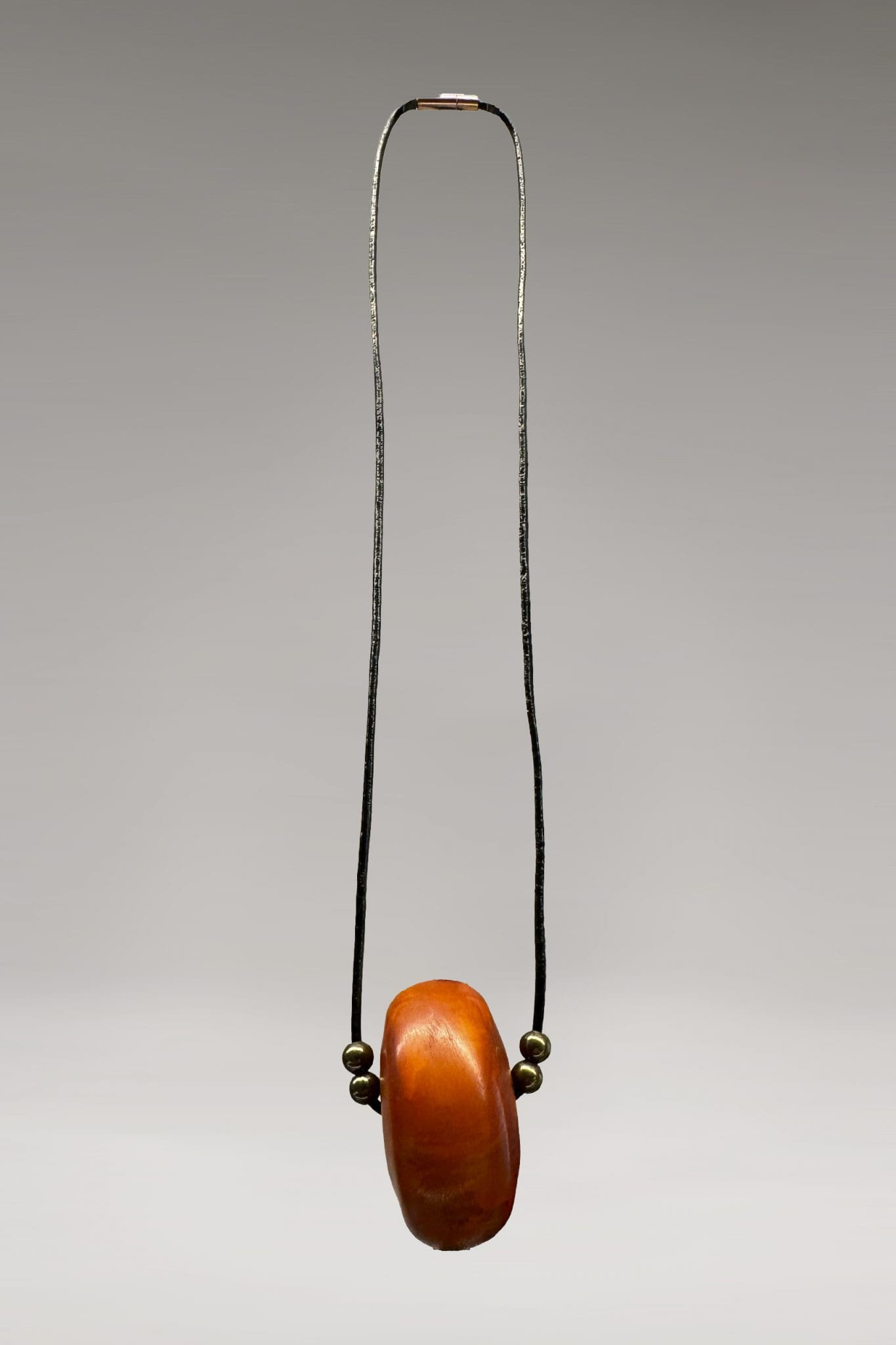
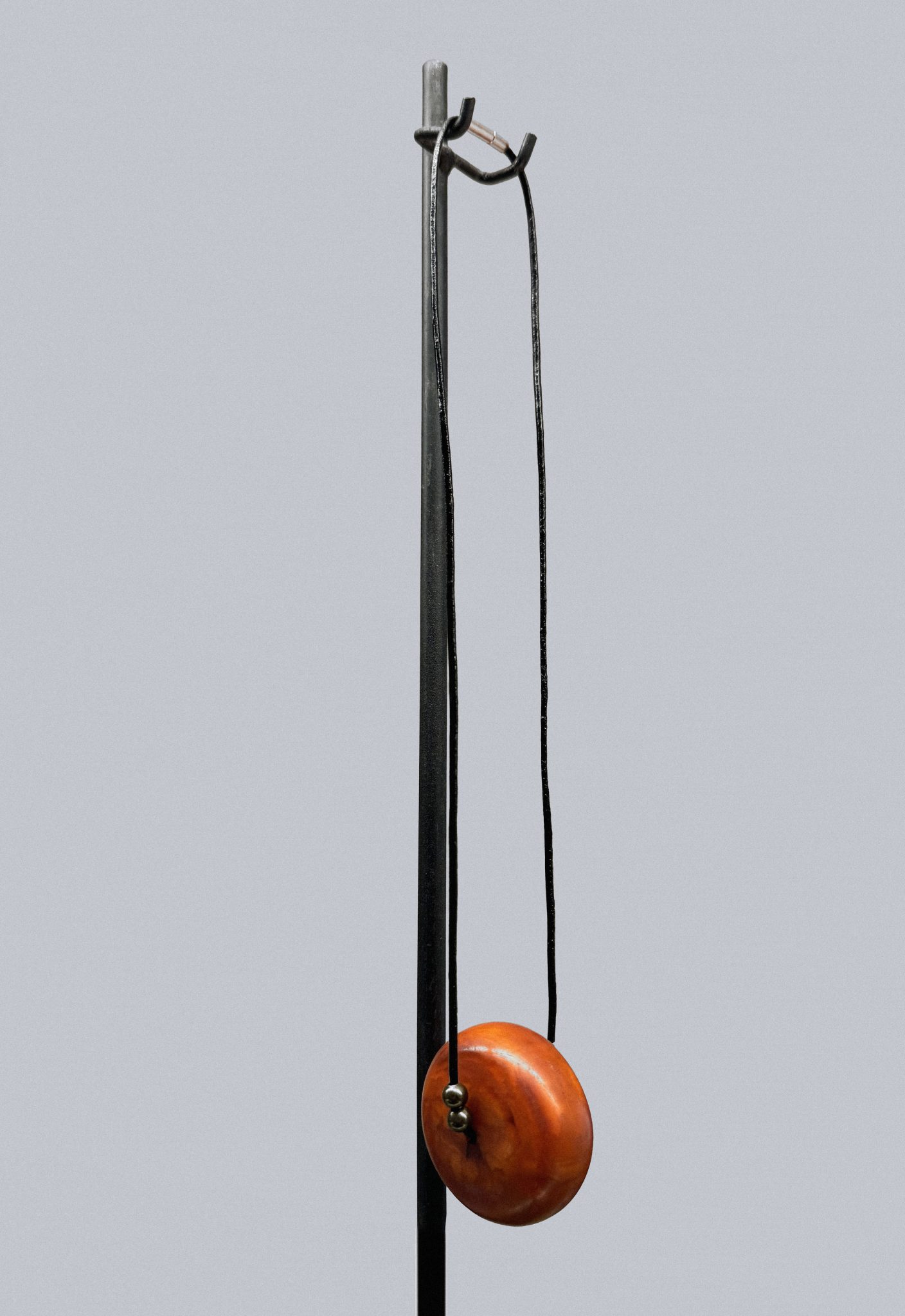
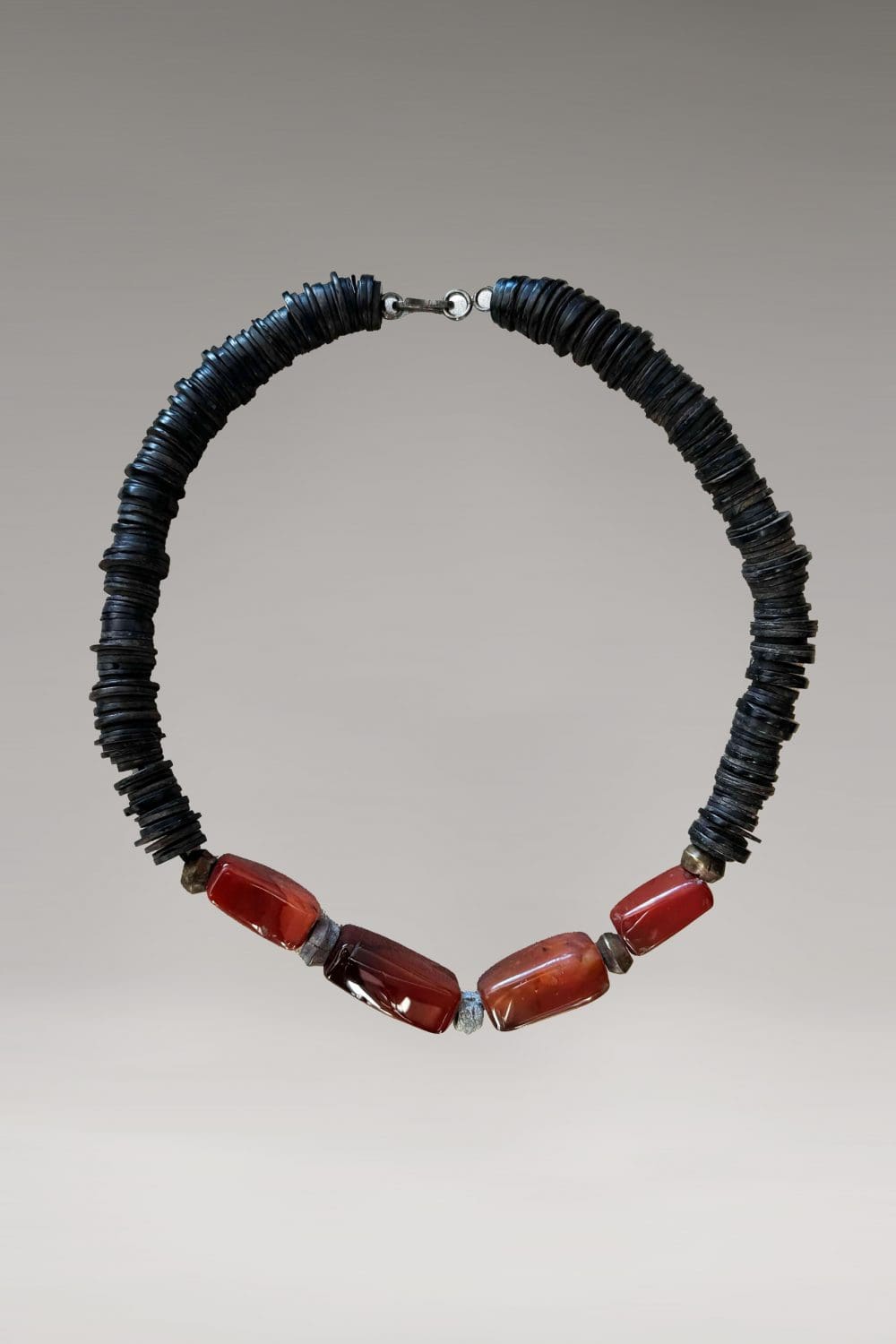
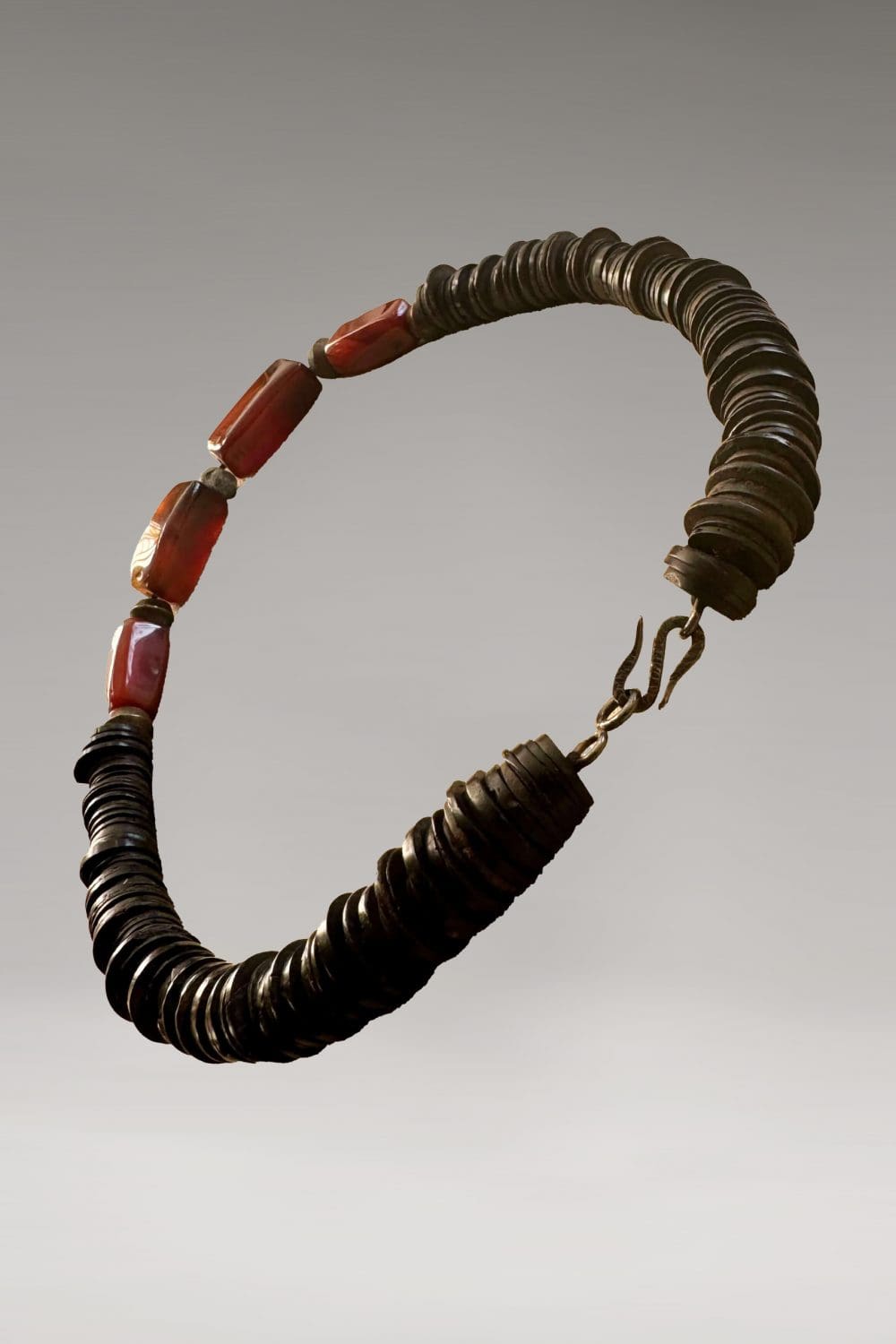
Before gold was smelted, before lapis lazuli was traded from Afghanistan to Egypt, before any of the great commodity networks of the ancient world were established, amber moved. Its trade routes — from the Baltic coast southward across Europe to the Mediterranean, from West Africa northward through the Sahara — are among the oldest documented in archaeological history. At sites across ancient Greece, Rome, Mesopotamia, and Egypt, amber objects have been recovered from contexts stretching back more than three thousand years, carried by networks of exchange that connected cultures who otherwise shared almost nothing. This amber necklace belongs to that long tradition: a piece of jewellery whose material connects the wearer to geological time and human history simultaneously.
What Amber Is, and Why It Was Desired
Amber is fossilised resin — the preserved exudate of ancient trees, primarily conifers, that hardened over millions of years under sediment and sea. Baltic amber, the most abundant and historically significant type, derives from forests that existed roughly 44 million years ago along what is now the Baltic coast. West African amber, traded along the trans-Saharan routes since at least the first millennium BCE, comes from different geological sources but shares the same essential character: warmth to the touch, lightness in the hand, a translucent depth that seems to glow from within. These qualities made amber mysterious to ancient peoples who observed that it could be made to attract light debris by rubbing — a property the ancient Greeks called by a word from which the modern term “electricity” descends. Amber was medicine, amulet, adornment, and luxury good. To wear it was to carry something genuinely extraordinary: a fragment of deep time, shaped by human hands, against the skin.
The Bead as the Basic Unit of Human Adornment
The bead necklace is among the most universal of human objects. From the shell beads found at archaeological sites dating back 100,000 years, to the coral and amber strings of medieval European queens, to the trade bead networks that shaped the early modern world — beads have been threaded onto cordage and worn by people across every culture and every period of human history. In amber, the bead achieves a particular resonance. Each element is shaped from a material that is already a kind of record: inclusions of ancient insects, air bubbles, plant matter trapped in resin before it hardened, are sometimes visible within the stone. The necklace thus becomes a string of small archives, each one containing a preserved moment from a forest that no longer exists. To wear this amber necklace is to wear time itself — organised into a form that has pleased the human eye for as long as we have been placing beautiful things against our bodies.

 No products in the cart.